
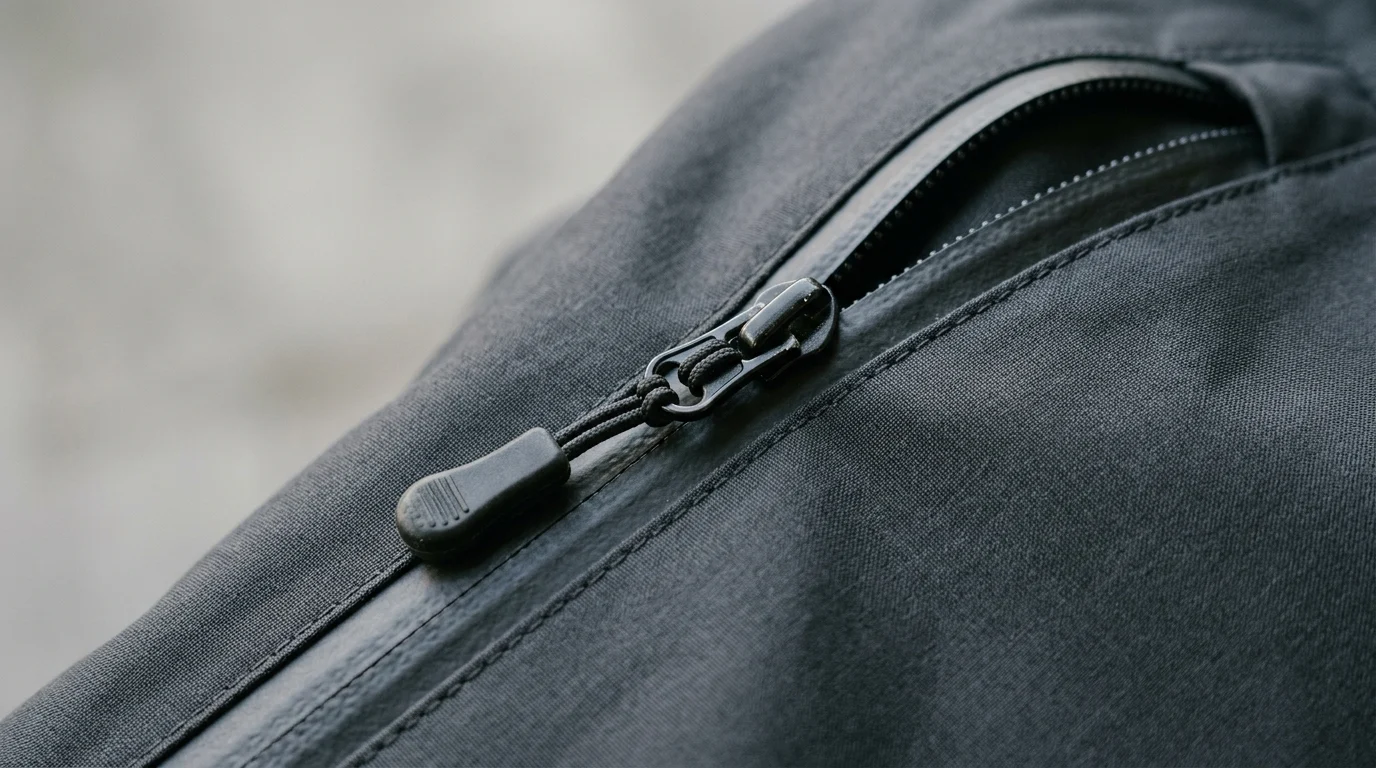
Introduction
By 2026, TPU waterproof zippers have moved from a niche component to a standard choice in technical apparel, outdoor gear, marine products, and protective equipment. Their popularity reflects a clear market shift: buyers want closures that block water reliably, stay flexible, resist wear, and avoid adding bulk. TPU also gives manufacturers stronger performance consistency than many older coated or conventional zipper designs. This article explains the main reasons demand is rising, from changing user expectations and harsh-environment performance to the growth of key end-use sectors and the material advantages that make TPU waterproof zippers increasingly hard to replace.
Why Is TPU Waterproof Zipper Demand Rising
The global shift toward high-performance technical apparel and gear has accelerated the adoption of advanced closure systems. By 2026, demand for the TPU waterproof zipper is projected to outpace traditional alternatives, driven by a broader textile industry compound annual growth rate (CAGR) of roughly 6.5% in the outdoor and sports segments. Thermoplastic polyurethane (TPU) offers a unique balance of elasticity, durability, and environmental resistance that legacy materials struggle to match.
How Are Performance Expectations Shaping Demand?
Modern consumers and industrial users expect gear to withstand extreme weather without adding unnecessary bulk. A standard TPU waterproof zipper is routinely engineered to withstand hydrostatic head pressures ranging from 3,000mm to over 10,000mm, ensuring absolute watertight integrity in torrential downpours or submerged conditions. This performance threshold dictates material choices across the supply chain, pushing manufacturers away from standard water-resistant coatings toward fully extruded TPU films that offer reliable, long-term barrier protection.
Which End-Use Sectors Are Driving Growth?
The surge in TPU zipper applications is highly visible in the outdoor recreation, marine, and tactical sectors. High-end waterproof products such as dry bags, extreme-weather tents, and specialized waders rely on these closures to prevent catastrophic moisture intrusion. Additionally, the medical and aerospace industries are increasingly adopting TPU closures for isolation chambers and protective suits, where absolute environmental seals are non-negotiable and failure can compromise safety.
What Defines a TPU Waterproof Zipper
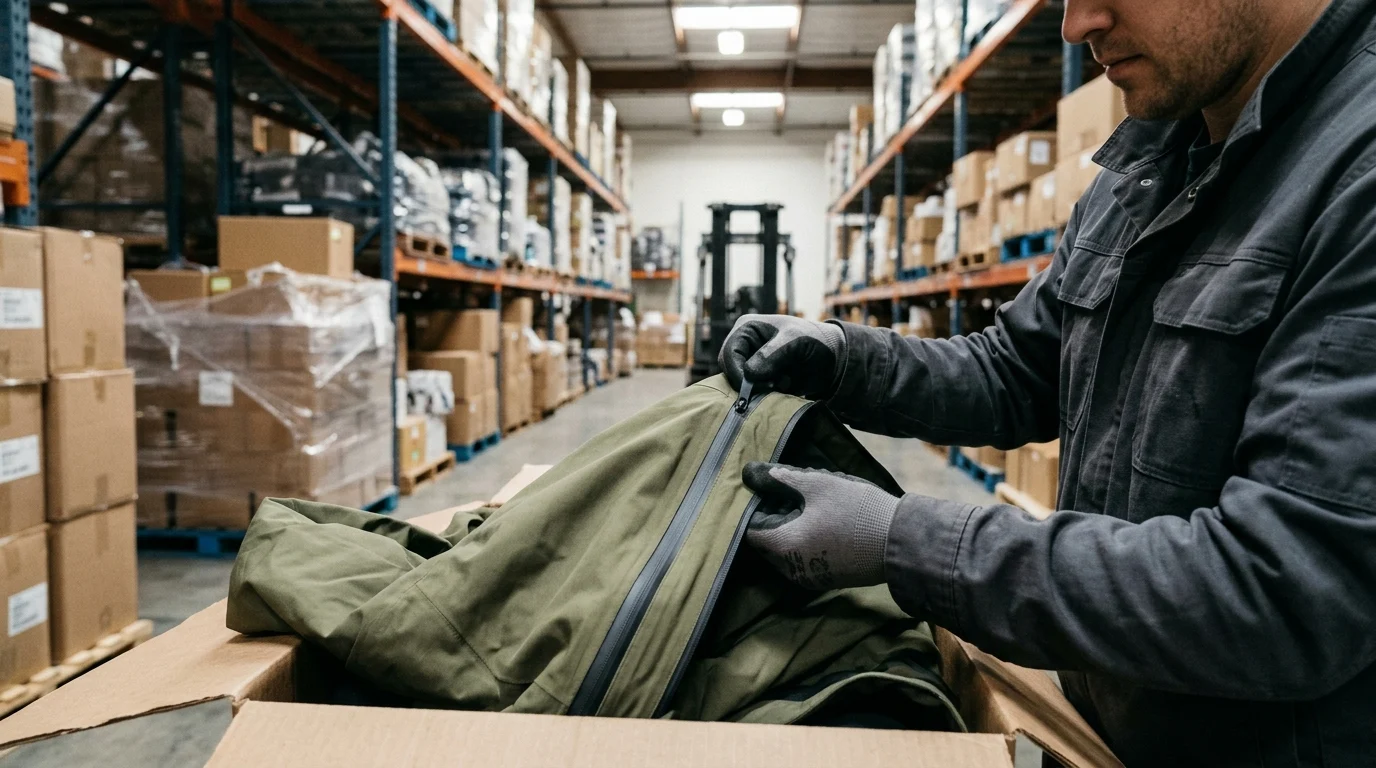
Understanding the anatomy of a TPU waterproof zipper requires examining its unique material composition. Unlike conventional zippers treated with temporary durable water repellent (DWR) sprays, a TPU variant physically bonds a continuous layer of polyurethane over the zipper tape and teeth, creating a resilient mechanical barrier against moisture.
What Materials and Construction Features Matter Most?
The core construction relies on high-tenacity polyester or nylon tape coated with a precision-extruded TPU film, typically between 0.10mm and 0.20mm in thickness. This precise thickness is critical: if the film is too thin, the zipper loses its waterproof rating under stress, but if it is too thick, the slider action becomes excessively stiff. The interlocking elements—usually nylon coil or molded Delrin (vislon)—are engineered to mesh tightly beneath the TPU membrane, effectively sealing the gap when the slider is pulled closed.
Which Performance Tests and Failure Points Should Buyers Review?
Quality assurance for these closures involves rigorous mechanical testing. Buyers must evaluate cross-tension strength to ensure the zipper does not burst under lateral loads, which often requires a minimum lateral strength of 400 to 600 Newtons depending on the gauge. Furthermore, reciprocation testing is vital; a premium TPU zipper should endure 5,000 to 10,000 open-and-close cycles in testing environments without delamination of the film or significant loss of hydrostatic resistance.
How Does TPU Compare with Other Waterproof Zipper Options?
When evaluating closure options, TPU stands out against legacy materials like PVC (polyvinyl chloride) and standard PU (polyurethane). While PVC is cheaper, it is heavier, less environmentally friendly, and prone to cracking in cold weather. Standard PU offers flexibility but lacks the robust abrasion resistance of thermoplastic variants.
| Feature | TPU Waterproof Zipper | PVC Zipper | Standard PU Coating |
|---|---|---|---|
| Cold Weather Flexibility | Excellent (Down to -40°C) | Poor (Cracks easily) | Good |
| Abrasion Resistance | High | Medium | Low to Medium |
| Environmental Impact | Moderate (Recyclable) | High (Toxic byproducts) | Moderate |
| Cost Profile | Premium | Budget | Mid-Range |
Why Are Brands and Manufacturers Choosing TPU Waterproof Zippers
Beyond mere consumer appeal, the manufacturing and lifecycle benefits of TPU make it a highly strategic choice for production facilities. Brands are transitioning to these closures because they streamline certain assembly processes while significantly elevating the final product’s durability.
What Functional and Processing Advantages Does TPU Offer?
One of the most significant processing advantages of a TPU waterproof zipper is its compatibility with high-frequency (HF) welding and ultrasonic bonding. Unlike traditional sewing, which punctures the waterproof material and requires subsequent seam taping, HF welding fuses the TPU zipper tape directly to TPU-coated fabrics. This creates a seamless, watertight bond with high structural integrity. Additionally, TPU maintains its functional elasticity in extreme environments, remaining completely flexible in temperatures as low as -30°C—a critical specification for mountaineering and polar expedition gear.
What Cost and Lifecycle Trade-Offs Should Be Considered?
The primary trade-off when selecting TPU is the initial procurement expense. A high-quality TPU zipper generally carries a 15% to 25% cost premium over standard PU-coated alternatives. However, lifecycle analysis often justifies this upfront investment. TPU exhibits superior resistance to ultraviolet (UV) degradation, hydrolysis, and microbial attack. In a marine environment, gear equipped with TPU closures can demonstrate a usable lifespan two to three times longer than gear using standard PVC or PU, drastically reducing warranty claims and enhancing long-term brand reputation.
How Should Buyers Source and Qualify TPU Waterproof Zippers
Effectively integrating TPU zippers into a supply chain requires rigorous supplier qualification and an understanding of global production metrics. Buyers cannot rely on aesthetics alone; they must dive deep into factory capabilities, compliance certifications, and logistical constraints.
Which Supplier Evaluation and Sampling Steps Are Essential?
Evaluating a supplier involves comprehensive factory audits and iterative sample testing. Procurement teams should review a manufacturer’s history with advanced extrusion and bonding technologies. Examining a supplier’s company background provides vital insight into their quality control infrastructure and production capacity. Initial sampling should always include subjecting the zippers to the exact manufacturing processes—such as HF welding or extreme tensioning—that will be utilized in mass production to guarantee compatibility.
How Do Compliance, Lead Times, and Minimum Order Quantities Affect Sourcing?
Regulatory compliance heavily influences sourcing decisions. Premium TPU zippers must often meet OEKO-TEX Standard 100 or REACH compliance, ensuring they are free from harmful restricted substances like phthalates, which remain common in cheaper PVC alternatives. Logistically, buyers must plan for minimum order quantities (MOQs) that typically range from 3,000 to 5,000 meters per color or gauge. Furthermore, standard lead times for custom-dyed or specialty TPU zippers generally span 4 to 6 weeks, necessitating accurate demand forecasting to prevent production bottlenecks.
How Can Brands Align Specifications with Production Scale?
To optimize procurement, brands must align their technical specifications with the realities of production scale. Customization—such as branded sliders, specific Pantone color-matching, or non-standard tape widths—will inherently drive up MOQs and lead times. Standardizing zipper gauges and colors across multiple product lines can help consolidate order volumes, meet supplier minimums, and negotiate better pricing tiers.
| Sourcing Variable | Standard Specifications | Custom Specifications (Color/Puller) |
|---|---|---|
| Typical MOQ | 1,000 – 2,000 meters | 5,000+ meters |
| Average Lead Time | 2 – 3 weeks | 5 – 8 weeks |
| Unit Cost Impact | Baseline | +10% to +30% premium |
| Compliance Testing | Pre-certified by supplier | May require batch-specific testing |
What Is the Best Decision Framework for Selecting a TPU
Selecting the right closure system is a strategic decision that impacts product viability, margin, and market perception. Establishing a robust decision framework helps procurement and design teams navigate the complexities of advanced waterproof zippers.
How Should Buyers Balance Performance, Cost, and Risk?
Buyers must balance performance requirements against cost and potential failure risks. Using a total cost of ownership (TCO) model is highly recommended. While a TPU zipper increases the bill of materials (BOM) cost, it mitigates the risk of catastrophic product failure. In technical outerwear, the industry standard for acceptable zipper defect rates is strictly below 0.5%. Exceeding this threshold due to utilizing inferior closures can result in costly recalls. When dealing with complex custom requirements or stringent defect tolerances, buyers should consult directly with manufacturers to negotiate quality assurance protocols and formal acceptable quality limit (AQL) standards.
When Does a Premium TPU Waterproof Zipper Make Sense?
A premium TPU waterproof zipper is structurally and economically justified in high-stakes environments where moisture intrusion leads to severe consequences. For products retailing above the $200 to $500 mark—such as offshore sailing jackets, professional camera dry bags, and tactical survival suits—the zipper is a critical failure point. In these applications, the end-user is purchasing reliability, and the integration of a top-tier TPU closure becomes a core marketing asset and a necessary functional guarantee rather than a mere component expense.
Further reading:
Key Takeaways
- The most important conclusions and rationale for TPU waterproof zipper
- Specs, compliance, and risk checks worth validating before you commit
- Practical next steps and caveats readers can apply immediately
Frequently Asked Questions
What makes a TPU waterproof zipper better than a water-resistant zipper?
A TPU waterproof zipper uses a bonded TPU film to form a true moisture barrier, not just a coating. It performs better in heavy rain, splashes, and submerged conditions.
Which products benefit most from TPU waterproof zippers?
They are ideal for dry bags, tents, waders, marine gear, tactical equipment, and protective suits where reliable sealing matters more than low cost.
How can buyers judge TPU waterproof zipper quality?
Check hydrostatic resistance, lateral strength around 400–600N, and reciprocation life of 5,000–10,000 cycles. Also review film adhesion and smooth slider operation.
Why are TPU waterproof zippers popular in cold-weather gear?
TPU stays flexible at low temperatures, often down to about -40°C. That helps prevent cracking, stiffness, and seal failure in winter outdoor or marine use.
Where can I explore TPU waterproof zipper product options on Tramigo Blog?
You can browse Tramigo Blog’s product-related pages at tramigoblog.com/products/ to review waterproof product applications and zipper-related sourcing information.


