
EN ISO 20471 is a European standard that defines performance requirements for high-visibility clothing used in occupational environments with reduced visibility. The standard focuses on fluorescent background materials and retroreflective tape to ensure workers remain visible in daylight, low light, and nighttime conditions. For reflective tape buyers, the core conclusion is clear: compliance with EN ISO 20471 is not optional when safety, liability, and regulatory alignment are critical. According to the European Agency for Safety and Health at Work, visibility-related hazards remain a major contributor to workplace accidents, particularly in construction and transport sectors. Selecting compliant reflective tape ensures measurable risk reduction and regulatory conformity.
EN ISO 20471 Classification System for High Visibility Tape
EN ISO 20471 classifies garments into three performance classes based on visible surface area and reflective coverage. Reflective tape plays a decisive role in achieving these classifications. The higher the class, the greater the visibility distance and detection speed by drivers or machine operators. Buyers must evaluate reflective tape width, placement, and photometric performance to meet class requirements. For technical definitions, refer to ISO official documentation.
Table 1: EN ISO 20471 Garment Classification
| Class | Minimum Background Material | Minimum Reflective Tape | Typical Use Case |
|---|---|---|---|
|
Class 1 |
Lowest coverage |
Minimal tape |
Low-risk environments |
|
Class 2 |
Moderate coverage |
Medium tape |
Roadside work |
|
Class 3 |
Highest coverage |
Maximum tape |
High-speed traffic zones |
For product selection, options like high visibility reflective tape must align with garment class targets to ensure compliance.
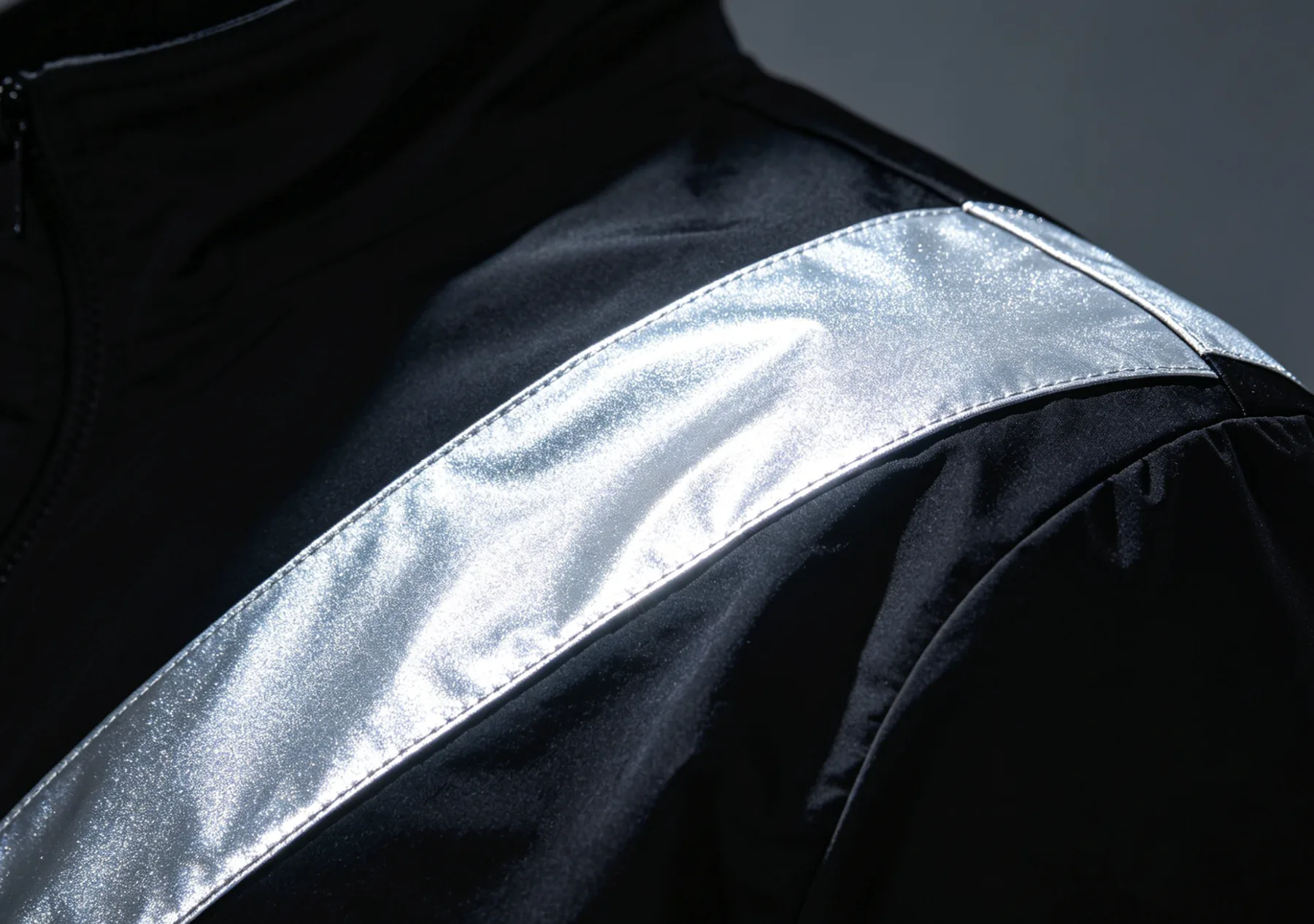
Reflective Tape Performance Metrics Under EN ISO 20471
Reflective tape must meet strict photometric and durability benchmarks. The standard specifies minimum retroreflective coefficients measured in cd/lux/m², ensuring visibility under vehicle headlights. Durability testing includes abrasion resistance, washing cycles, and UV exposure. According to the National Institute of Standards and Technology, retroreflective materials degrade significantly after repeated laundering if not engineered properly.
Table 2: Key Technical Requirements
| Property | Requirement |
|---|---|
|
Retroreflection |
≥ 330 cd/lux/m² (new material) |
|
Washing durability |
25–50 cycles depending on class |
|
Heat resistance |
Stable at 50°C washing |
|
Flexibility |
No cracking after bending |
Products such as industrial reflective tape solutions are engineered to maintain performance across these conditions.
Why EN ISO 20471 Compliance Matters for Reflective Tape Buyers
Compliance ensures both safety and legal protection. Non-compliant reflective tape may fail under real-world conditions, reducing visibility distance and increasing accident risk. The National Institute for Occupational Safety and Health (NIOSH) reports that high-visibility apparel can reduce struck-by incidents by up to 50% in roadway environments. Buyers must prioritize certified materials over generic alternatives.
Key decision factors include:
1.Certification labeling and traceability
2.Manufacturer testing reports
3.Compatibility with garment fabric
4.Environmental durability
Reliable options like EN ISO 20471 certified reflective strips support these requirements.
Types of Reflective Tape Used in EN ISO 20471 Applications
Different reflective technologies exist, each suited to specific operational environments. Glass bead-based tapes offer flexibility and cost efficiency, while microprismatic tapes provide higher reflectivity and longer lifespan. Selection depends on exposure conditions and performance expectations.
Table 3: Reflective Tape Types Comparison
| Type | Technology | Reflectivity | Durability | Typical Use |
|---|---|---|---|---|
|
Glass Bead |
Embedded beads |
Moderate |
Medium |
General PPE |
|
Microprismatic |
Prism structure |
High |
High |
Road safety |
|
Flame-resistant |
Specialized coating |
Moderate |
High |
Industrial safety |
For specialized environments, flame resistant reflective tape is essential in sectors like oil and gas.
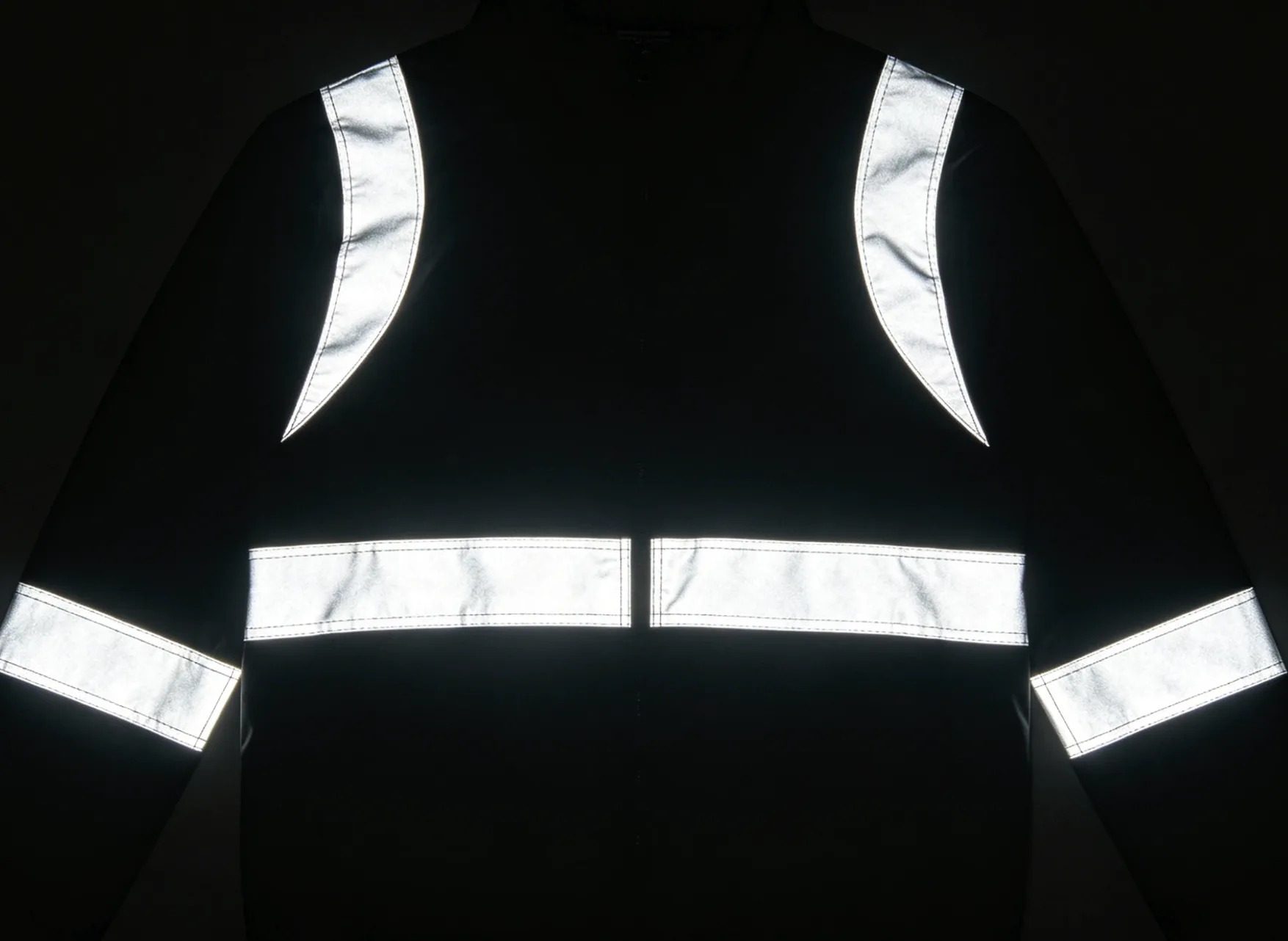
How to Select the Right EN ISO 20471 Reflective Tape
Selection should follow a structured evaluation process based on risk exposure, garment design, and regulatory requirements. Buyers should begin with hazard assessment, followed by class determination and material compatibility analysis. The UK Health and Safety Executive emphasizes that improper visibility gear selection can undermine safety programs.
Key selection steps:
1.Identify work environment (traffic speed, lighting conditions)
2.Determine required EN ISO class
3.Evaluate reflective tape durability
4.Verify certification and test reports
5.Assess garment integration
Options such as sew-on reflective tape for safety clothing provide flexibility for different garment constructions.
Common Mistakes When Buying Reflective Tape
Several procurement errors reduce effectiveness and increase long-term costs. One frequent issue is prioritizing price over certified performance. Another mistake is ignoring washing durability, leading to rapid degradation. According to the British Standards Institution, improper maintenance significantly reduces reflective performance within months.
Common pitfalls include:
Choosing non-certified tape
-
Ignoring retroreflectivity values
-
Misplacing tape on garments
-
Overlooking environmental exposure
Using tested materials like durable reflective tape for workwear mitigates these risks.
Future Trends in Reflective Tape and Safety Standards
Reflective technology continues to evolve with improved materials and smart integration. Innovations include segmented reflective tape for better flexibility and breathable fabrics, as well as enhanced microprismatic designs for higher visibility at longer distances. The UK Department for Transport highlights increasing demand for high-performance visibility solutions due to rising urban traffic density.
Emerging trends:
Lightweight reflective materials
-
Smart visibility integration (LED + reflective)
-
Sustainable materials and coatings
-
Enhanced durability for industrial laundering
Reflective solutions such as advanced reflective safety materials reflect these developments.
FAQ: EN ISO 20471 Reflective Tape Buyers Guide
- What is the difference between EN ISO 20471 and ANSI/ISEA 107? EN ISO 20471 applies primarily in Europe, while ANSI/ISEA 107 is used in the United States. Both define visibility requirements, but differ in classification systems, test methods, and garment design rules. Buyers must select based on regional compliance requirements.
- How often should reflective tape be replaced? Replacement depends on wear conditions and washing frequency. High-quality tape can last 25–50 wash cycles, but inspection should occur regularly. Visible fading, cracking, or reduced reflectivity indicates replacement is necessary.
- Can reflective tape be applied to any fabric? Not all fabrics are compatible. Reflective tape must match garment material properties such as elasticity, heat resistance, and surface texture. Improper bonding reduces durability and compliance.
- Does wider reflective tape improve safety? Wider tape increases visible surface area, which can improve compliance with higher EN ISO classes. However, placement and configuration are equally important for achieving optimal visibility.
- 5. Is certification verification necessary when purchasing? Yes. Buyers should request certification documents and test reports. Without verified compliance, reflective tape may not meet regulatory or safety requirements, exposing organizations to operational and legal risks.


