
Micro prismatic reflective tape and glass bead reflective tape are two dominant technologies used in safety visibility systems. The key conclusion is direct: micro prismatic reflective tape delivers higher retroreflectivity and longer durability, while glass bead reflective tape offers cost efficiency and flexibility for general-purpose applications. According to the Federal Highway Administration (FHWA), high-performance prismatic sheeting significantly improves nighttime traffic sign visibility compared to traditional bead-based materials. Reflective tape buyers must align material selection with performance requirements, environmental exposure, and regulatory standards such as EN ISO 20471 or ANSI/ISEA 107.
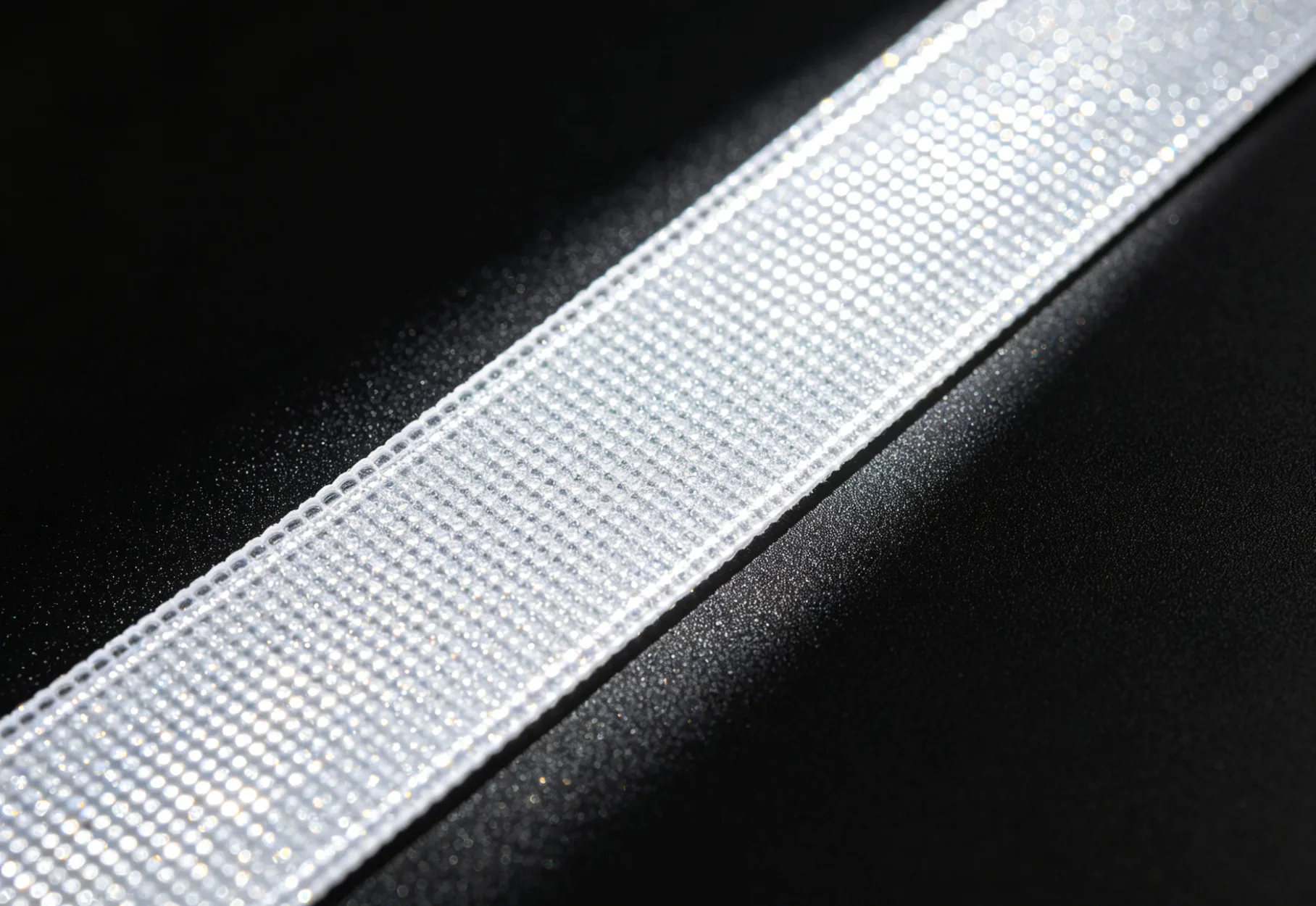
Reflective Tape Technology Explained: Glass Bead vs Micro Prismatic Structure
Reflective tape operates by returning light to its source, a principle known as retroreflection. Glass bead reflective tape uses spherical beads embedded in a binder layer to refract and reflect light. Micro prismatic reflective tape uses precisely engineered prism arrays that reflect light through total internal reflection, increasing efficiency.
The National Institute of Standards and Technology (NIST) explains that prism-based retroreflection reduces light scattering, resulting in higher return intensity. This structural difference directly impacts brightness, especially at longer observation distances.
Table 1: Structural Comparison of Reflective Technologies
| Feature | Glass Bead Reflective Tape | Micro Prismatic Reflective Tape |
|---|---|---|
| Optical mechanism | Refraction + reflection | Total internal reflection |
| Surface structure | Random bead distribution | Engineered prism pattern |
| Light return efficiency | Moderate | High |
| Viewing angle performance | Limited | Extended |
For applications requiring advanced visibility, micro prismatic reflective tape for road safety provides higher optical performance.
Retroreflectivity Performance: Measured Brightness and Visibility Distance
Retroreflectivity is measured in candela per lux per square meter (cd/lux/m²), which determines how visible a material appears under headlights. Micro prismatic reflective tape typically exceeds 500 cd/lux/m², while glass bead reflective tape ranges between 100–330 cd/lux/m² depending on grade.
The U.S. Department of Transportation indicates that higher retroreflectivity improves driver detection time, particularly at speeds above 80 km/h. Increased detection time directly correlates with reduced collision risk.
Table 2: Retroreflectivity Performance Comparison
| Property | Glass Bead Tape | Micro Prismatic Tape |
|---|---|---|
| Initial brightness | 100–330 cd/lux/m² | 300–800+ cd/lux/m² |
| Long-distance visibility | Moderate | High |
| Wet performance | Reduced | Stable |
| Aging degradation | Faster | Slower |
For high-risk environments, high intensity prismatic reflective tape ensures consistent visibility.
Durability and Environmental Resistance of Reflective Tape
Durability determines lifecycle cost and long-term safety compliance. Glass bead reflective tape tends to degrade faster due to bead detachment and surface wear. Micro prismatic reflective tape features sealed prism layers that resist moisture, UV radiation, and abrasion.
The U.S. Environmental Protection Agency (EPA) highlights that UV exposure significantly impacts polymer-based materials used in outdoor applications. Micro prismatic designs typically maintain performance after extended exposure to sunlight and weather.
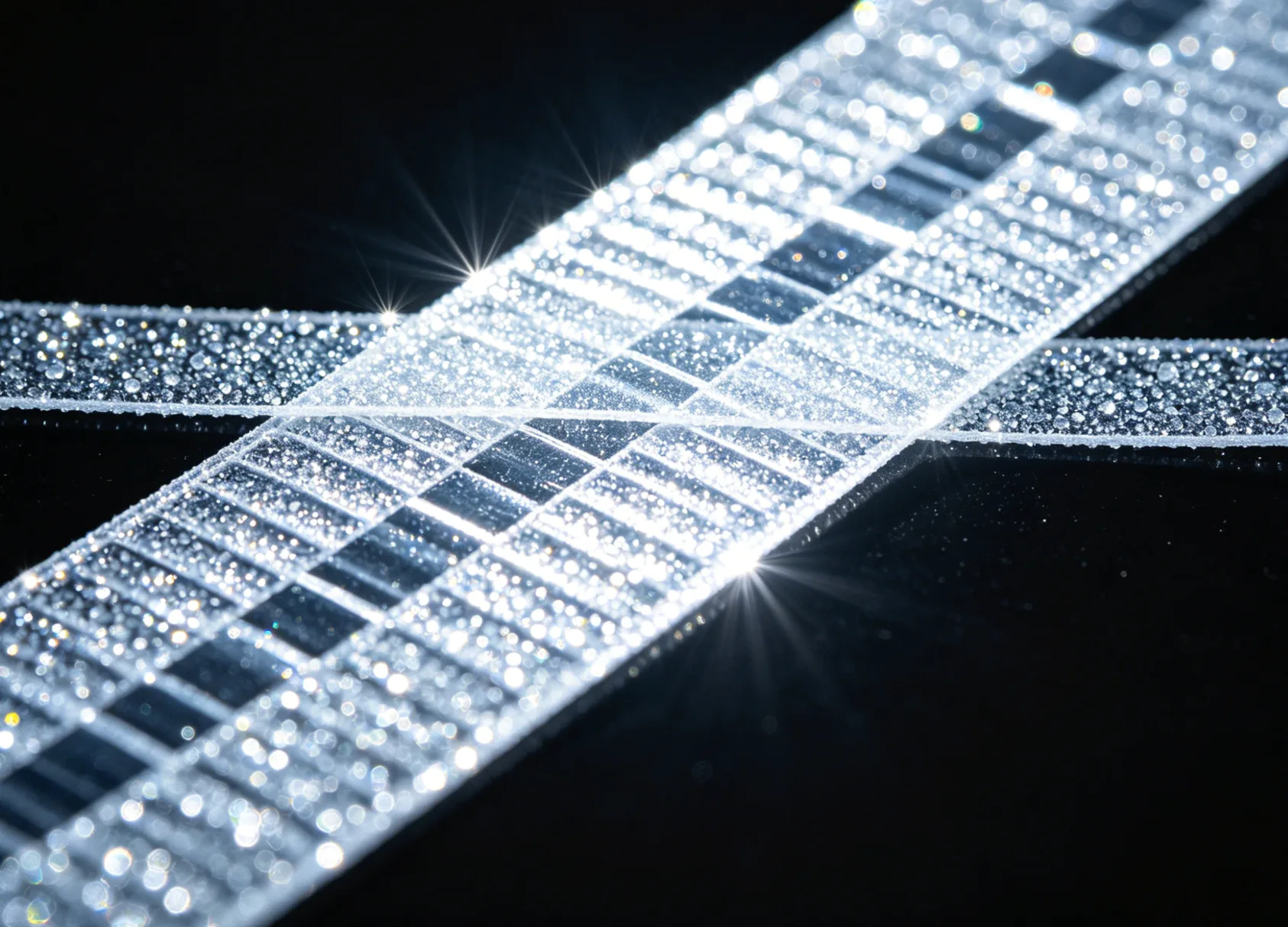
Table 3: Durability Comparison
| Factor | Glass Bead Tape | Micro Prismatic Tape |
|---|---|---|
| UV resistance | Moderate | High |
| Abrasion resistance | Medium | High |
| Moisture resistance | Limited | Strong |
| Lifespan | 1–3 years | 5–10 years |
For industrial use cases, durable reflective tape for outdoor use improves lifecycle reliability.
Application Scenarios: Choosing the Right Reflective Tape
Different industries require different reflective solutions based on risk level and visibility requirements. Glass bead reflective tape is commonly used in workwear, casual safety garments, and low-risk environments. Micro prismatic reflective tape is preferred in traffic control, highway signage, and emergency vehicles.
The Occupational Safety and Health Administration (OSHA) emphasizes that high-visibility materials must match hazard exposure levels to be effective. Selection must consider speed of surrounding traffic, lighting conditions, and viewing distance.
Key application mapping:
- Construction PPE → Glass bead reflective tape
- Road signage → Micro prismatic reflective tape
- Emergency vehicles → Micro prismatic reflective tape
- Warehouse safety → Glass bead reflective tape
Products such as reflective tape for safety clothing address general workplace needs.
Cost vs Performance Analysis of Reflective Tape
Cost efficiency is a critical factor in procurement decisions. Glass bead reflective tape has a lower initial cost but requires more frequent replacement. Micro prismatic reflective tape has a higher upfront cost but offers extended service life and lower maintenance frequency.
The U.S. Bureau of Labor Statistics reports that workplace incidents lead to significant financial losses annually, reinforcing the importance of investing in reliable safety materials. A lifecycle cost approach often favors micro prismatic solutions in high-risk environments.
Structured Comparison
- Initial cost: Glass bead < Micro prismatic
- Maintenance cost: Glass bead > Micro prismatic
- Performance stability: Glass bead < Micro prismatic
- Total lifecycle value: Context-dependent
For long-term applications, long lasting reflective tape solutions provide better return on investment.
Compliance and Standards: EN ISO 20471 and ANSI Reflective Tape Requirements
Reflective tape must meet international standards to ensure safety compliance. EN ISO 20471 specifies retroreflectivity and durability for occupational clothing, while ANSI/ISEA 107 defines requirements in North America. Micro prismatic reflective tape is more commonly used in applications requiring higher classes due to its superior brightness.
The International Organization for Standardization (ISO) provides detailed technical requirements for reflective materials. Buyers should verify certification, test reports, and labeling before procurement.
For certified materials, EN ISO compliant reflective tape ensures regulatory alignment.
Key Takeaways: Micro Prismatic vs Glass Bead Reflective Tape
Key conclusions include:
- Micro prismatic reflective tape provides higher brightness and longer lifespan
- Glass bead reflective tape offers flexibility and lower upfront cost
- Application environment determines optimal material selection
- Compliance with safety standards is mandatory for risk reduction
Reflective tape selection should be based on measurable performance metrics rather than cost alone. Using certified materials such as professional reflective safety tape supports safety and compliance objectives.
FAQ: Micro Prismatic vs Glass Bead Reflective Tape
1. What is the main technical difference between micro prismatic and glass bead reflective tape?
Micro prismatic reflective tape uses engineered prism structures that reflect light through internal reflection, while glass bead reflective tape uses spherical beads to refract and reflect light. This structural difference results in higher brightness and longer visibility distance for prismatic materials.
2. Which reflective tape is better for high-speed road environments?
Micro prismatic reflective tape is better suited for high-speed environments due to higher retroreflectivity and longer detection distance. This performance improves driver reaction time, which is critical for highway safety and traffic control applications.
3. Can glass bead reflective tape meet safety standards?
Glass bead reflective tape can meet standards such as EN ISO 20471 when designed correctly. However, performance may be limited compared to prismatic materials, especially in demanding environments requiring high visibility.
4. How does weather affect reflective tape performance?
Weather conditions such as rain, UV exposure, and temperature changes degrade reflective materials over time. Micro prismatic reflective tape generally performs better under harsh environmental conditions due to sealed prism structures.
5. Is higher retroreflectivity always necessary?
Higher retroreflectivity is not always required. Low-risk environments may only require moderate visibility levels. However, high-risk environments with fast-moving traffic or low lighting conditions benefit significantly from higher reflective performance.


