
Introduction
Choosing between waterproof and water-resistant zippers affects far more than surface-level weather protection. The distinction determines how a garment, bag, or piece of equipment performs under rain, spray, pressure, or full submersion, and it can influence durability, warranty risk, and user safety. This comparison explains how each zipper type is built, where moisture typically enters, and why similar-looking closures can deliver very different results in real use. By the end, readers will be able to match zipper performance to product requirements and make more accurate design, sourcing, or purchasing decisions before moving into specific materials, applications, and trade-offs.
Why Compare Waterproof and Water-Resistant Zippers
Understanding the precise distinction between waterproof and water-resistant zippers is critical for product designers and procurement teams in the performance apparel and outdoor equipment sectors. As material science in the textile industry advances, consumers increasingly expect high-performance closures that match the technical capabilities of modern fabrics. Misclassifying these closures during the product development phase often leads to catastrophic product failures, damaged consumer electronics, and compromised safety in extreme environments.
How material choice and closure performance affect returns
Material selection and closure performance directly impact a brand’s bottom line and overall market reputation. Incorporating a standard water-resistant zipper on a product intended for submersion or extreme weather can escalate warranty claims and drive product return rates as high as 15% to 20%. The discrepancy typically arises from moisture ingress through the zipper teeth or slider gaps, which degrades the perceived quality of the entire garment or bag. Processing these returns, combined with the loss of consumer trust, creates hidden costs that far outweigh the initial savings of choosing an under-specified zipper.
Where each zipper type is typically used
The application context dictates the appropriate closure type, making environmental assessment a prerequisite for sourcing. Water-resistant zippers are ubiquitous in rain jackets, urban commuter backpacks, and lightweight tents where exposure is limited to ambient rain, light snow, or brief splashes. Conversely, true waterproof zippers are engineered for dry bags, hazmat suits, and marine diving gear, representing specialized product applications where absolute liquid and gas retention is non-negotiable under high pressure.
What Is the Difference Between Waterproof and Water-Resistant Zippers
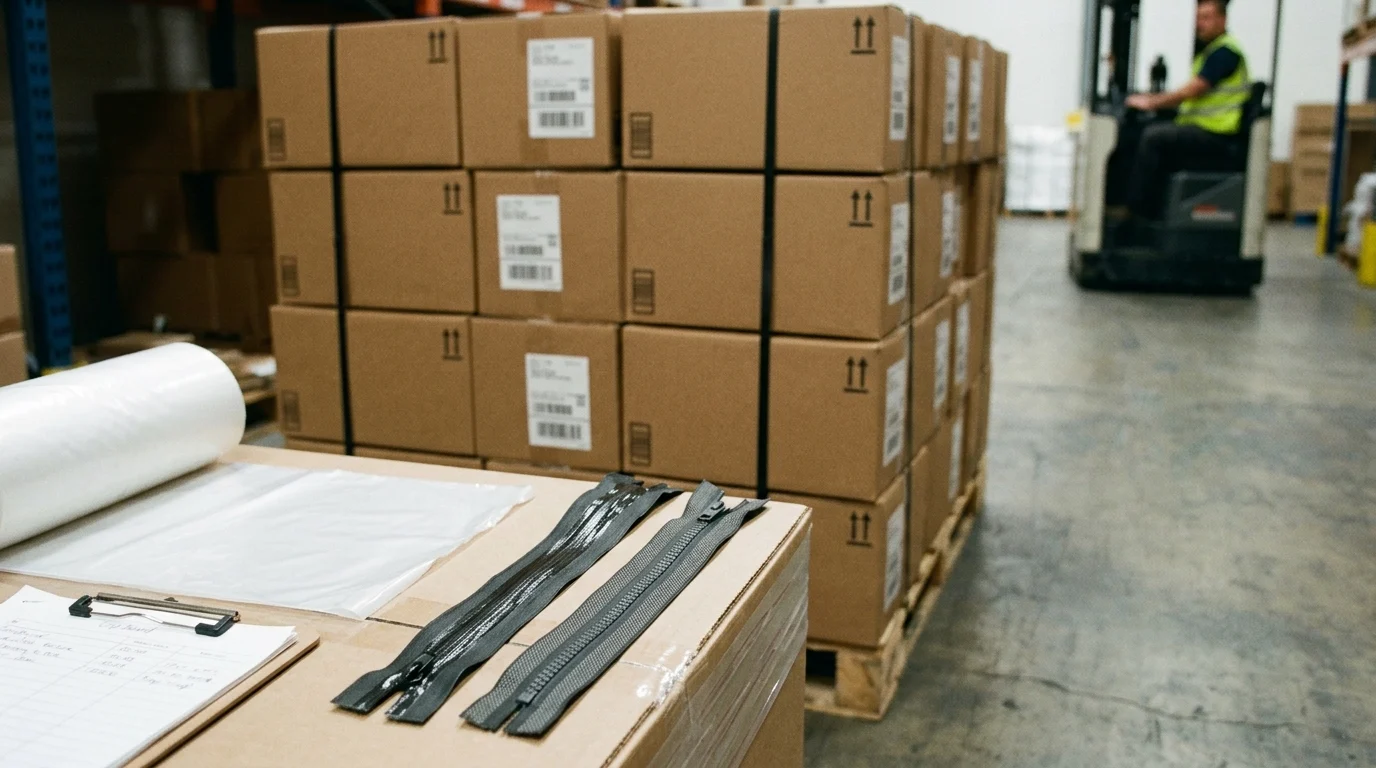
While both zipper categories aim to exclude moisture from the internal compartments of a product, their engineering philosophies, material compositions, and structural tolerances diverge significantly. Recognizing these structural differences is the first step in aligning a component with its intended environmental exposure.
How waterproof and water-resistant zippers are constructed
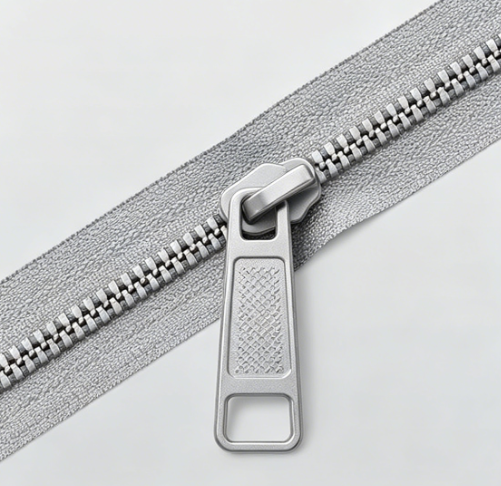
Water-resistant zippers are typically standard coil or molded plastic zippers treated with a polyurethane (PU) or thermoplastic polyurethane (TPU) coating. This coating, often measuring just 0.1mm to 0.2mm in thickness, repels surface water but leaves microscopic gaps where the teeth interlock. Waterproof zippers, however, utilize robust airtight interlocking mechanisms encased in heavy-duty PVC, vulcanized rubber, or thick TPU extrusions. This specialized construction ensures that the teeth seal completely when the slider engages, creating an unbroken barrier that prevents both liquid and air from passing through the closure.
Which technical factors define performance
Performance is strictly quantified through hydrostatic head testing and internal pressure resistance metrics. A standard water-resistant zipper might withstand a hydrostatic head of 500mm to 1,500mm before moisture begins to seep through the coil gaps. In stark contrast, a fully waterproof zipper must endure extreme hydrostatic pressures, often exceeding 10,000mm. Furthermore, high-end waterproof closures can maintain a hermetic seal up to 0.05 MPa (megapascals) of internal or external pressure, ensuring that trapped air remains inside a dry bag or inflatable structure.
What a simple comparison table should include
When evaluating options, procurement teams should reference a clear baseline of attributes to avoid specification errors.
| Feature | Water-Resistant Zipper | Waterproof Zipper |
|---|---|---|
| Primary Coating | PU or TPU film (0.1mm – 0.2mm) | Extruded PVC or Vulcanized Rubber |
| Hydrostatic Resistance | 500mm – 1,500mm | 10,000mm+ |
| Air Permeability | Breathable / Not airtight | 100% Airtight / Hermetic |
| Flexibility | High (suitable for light apparel) | Low (rigid, requires heavy base fabrics) |
| Actuation Force | Low (easy to pull smoothly) | High (often requires specialized lubrication) |
How Buyers Should Evaluate Zipper Performance
Selecting the optimal zipper requires balancing technical specifications with supply chain realities. Procurement officers must evaluate structural integrity alongside logistical constraints, pricing models, and manufacturing lead times to ensure continuous production viability without compromising quality.
Which specifications matter most
Beyond simple moisture exclusion, mechanical specifications are paramount to product longevity. Cross-wise strength, which measures the lateral force required to separate the closed teeth, is a critical metric for durable goods. High-performance waterproof zippers must often sustain cross-wise tensions exceeding 400 Newtons, whereas standard water-resistant variants may only require a 250-Newton rating to pass quality control. Additionally, actuation force—the physical effort needed to move the slider—is significantly higher for waterproof zippers due to the tight friction seal, which can impact user experience if not properly accounted for in the design phase.
How price, MOQ, lead time, and customization affect sourcing
Sourcing dynamics vary sharply between the two categories, directly impacting inventory management. Water-resistant zippers are heavily commoditized, with Minimum Order Quantities (MOQs) typically ranging from 1,000 to 3,000 meters and lead times averaging 10 to 15 days. Waterproof zippers, requiring highly specialized manufacturing and curing processes, command a premium price—often 300% to 500% higher per meter. They may also impose strict MOQs of 5,000 meters with extended lead times of 30 to 45 days. Working with reputable supply chain partners is essential to navigate these pricing fluctuations and secure reliable delivery schedules.
What production trade-offs to review
Manufacturers must carefully weigh the trade-offs between garment flexibility, aesthetic integration, and barrier protection. Integrating a rigid, heavy-duty waterproof zipper into a lightweight 20-denier nylon jacket will cause severe fabric puckering and ruin the garment’s natural drape. Conversely, opting for a highly flexible water-resistant zipper on a heavy-duty 500D PVC dry bag creates a critical weak point in the product’s protective envelope. Designers must align the zipper’s mechanical properties, weight, and stiffness with the primary base material to achieve a cohesive end product.
Which Standards and Application Conditions Matter
Validating zipper performance requires strict adherence to internationally recognized testing standards. Relying solely on a supplier’s subjective marketing claims exposes manufacturers to significant compliance risks, potential recalls, and liability in performance-critical applications.
How to interpret test methods and supplier claims
Interpretation of test methods centers around the Ingress Protection (IP) rating system and standard textile tests like ISO 811. A water-resistant zipper typically achieves an IPX4 rating, meaning it can withstand splashing water from any direction without allowing immediate penetration. True waterproof zippers are engineered to meet IPX7 or IPX8 standards, guaranteeing complete protection during continuous submersion at a depth of 1 meter for a minimum of 30 minutes. For specific testing specification inquiries, buyers should proactively request certified third-party lab reports demonstrating sustained pressure resistance over multiple actuation cycles.
Which industries require stricter selection criteria
Strict selection criteria are mandatory in highly regulated and high-stakes sectors. The marine survival, tactical, and medical industries cannot tolerate the failure margins acceptable in commercial sportswear. For example, immersion suits regulated by SOLAS (Safety of Life at Sea) demand airtight zippers that maintain core body temperature in freezing waters. In these applications, a zipper failure translates directly to a life-threatening loss of insulation and buoyancy. Similarly, medical isolation units require zero-permeability closures to contain airborne pathogens, mandating rigorous lot-by-lot testing and zero-defect tolerances.
How to Choose the Right Zipper for Your Product
Finalizing the zipper specification is a strategic exercise that aligns component costs with the end-user’s environmental expectations. A systematic approach ensures that the closure mechanism neither underperforms in the field nor unnecessarily inflates the manufacturing budget.
What decision process helps match zipper type to end use
The decision process begins with a comprehensive risk assessment of the end-use environment. If the product will experience brief rain showers and requires high mobility, the flexibility and lower actuation force of a water-resistant zipper are optimal. If the product will be fully submerged, subjected to high-pressure water jets, or used to contain gases, the rigid, hermetic seal of a waterproof zipper is the only viable engineering choice. Financial modeling also plays a crucial role in value engineering; industry best practices suggest the zipper assembly should not exceed 8% to 10% of the total Bill of Materials (BOM) cost unless the product is a dedicated containment vessel where the closure is the primary functional feature.
Which final selection criteria should guide the choice
A structured selection matrix helps finalize the procurement decision based on the primary application, ensuring consistency across product lines.
| Product Category | Recommended Zipper Type | Key Selection Rationale |
|---|---|---|
| Lightweight Rainwear | Water-Resistant (PU Coated) | High flexibility, low cost, adequate for ambient rain and daily commuting. |
| Urban Backpacks | Water-Resistant (Reverse Coil) | Smooth actuation, aesthetic integration, sufficient splash protection. |
| Scuba Wetsuits/Drysuits | True Waterproof (Heavy Duty) | IPX8 submersion rating, high cross-wise strength, life-safety compliance. |
| Medical Isolation Tents | True Waterproof (Airtight) | Hermetic gas seal, chemical resistance, zero permeability for pathogens. |
| Premium Soft Coolers | Waterproof (Medium Duty) | Prevents melted ice leakage, maintains internal thermal efficiency when inverted. |
Further reading:
Key Takeaways
- The most important conclusions and rationale for Waterproof Zipper vs Water Resistant Zipper
- Specs, compliance, and risk checks worth validating before you commit
- Practical next steps and caveats readers can apply immediately
Frequently Asked Questions
What is the main difference between waterproof and water-resistant zippers?
Water-resistant zippers repel rain and splashes, while waterproof zippers form a sealed barrier against submersion, high pressure, and even air leakage.
When should I choose a waterproof zipper instead of a water-resistant one?
Choose waterproof zippers for dry bags, marine gear, hazmat suits, or any product facing immersion or extreme weather. Use water-resistant zippers for rainwear and commuter bags.
How can buyers compare zipper performance accurately?
Check hydrostatic head, pressure resistance, coating material, flexibility, and pull force. For technical products, ask suppliers for test data, not just marketing claims.
Why does choosing the wrong zipper increase returns?
An under-specified zipper can leak through teeth or slider gaps, damaging contents and making the whole product feel low quality, which often leads to warranty claims and returns.
Where can product teams find zipper options for apparel or outdoor gear?
Teams can review application-focused zipper and textile solutions through Tramigo’s product pages to match closures with performance apparel, bags, and outdoor equipment needs.


