

Introduction
Reflective binding tape does more than finish raw edges: it adds durable visibility exactly where garments flex, move, and catch light. This guide explains how to sew it cleanly without damaging its reflective surface, losing alignment, or creating bulky seams. You’ll learn where reflective binding works best, which materials and stitch settings matter most, and how to handle common problem areas such as curves, hems, cuffs, and zipper edges. By the end, you’ll have a practical understanding of how to combine edge protection, garment durability, and low-light safety in one precise sewing process.
Strategic Value of Sewing Reflective Binding Tape
Sewing reflective binding tape serves a critical dual function in modern garment engineering: it provides essential edge finishing to prevent fabric fraying while simultaneously integrating high-visibility safety features. Unlike standard bias tape, reflective binding incorporates microscopic glass beads or micro-prismatic elements that return light directly to its source. This strategic addition transforms vulnerable garment edges—such as cuffs, hems, and zipper tracks—into vital safety components without requiring additional surface area for separate reflective striping.
The integration of these materials requires precision, as the tapes must maintain optical performance while enduring the mechanical stress of the sewing process. High-end reflective binding tapes typically deliver a retroreflectivity coefficient exceeding 330 cd/lx/m², ensuring optimal visibility in low-light environments. As manufacturers increasingly prioritize both aesthetics and occupational safety, mastering the deployment of these engineered tapes has become indispensable for technical apparel producers.
Applications and use cases
In occupational safety, reflective binding is heavily utilized in personal protective equipment (PPE), including high-visibility vests, heavy-duty work jackets, and flame-retardant coveralls. Beyond industrial applications, the activewear sector has widely adopted these tapes for running apparel, cycling gear, and outdoor backpacks. In these consumer-facing applications, the tape outlines human biomechanical movement, a concept known as biomotion, which significantly accelerates a driver’s ability to recognize a pedestrian in the dark.
Pet accessories, such as dog harnesses and leashes, represent another rapidly expanding use case. In technical outdoor equipment like tents and sleeping bags, reflective binding is applied to zippers and structural seams to facilitate nighttime navigation. Across all these applications, the material must withstand rigorous environmental exposure, often requiring guaranteed performance for up to 50 to 100 industrial wash cycles.
Demand trends and market drivers
The global market for high-visibility fabrics and tapes is experiencing robust expansion, driven by a projected 6.5% compound annual growth rate (CAGR) in the occupational safety sector through the end of the decade. This demand is catalyzed by increasingly stringent workplace safety regulations across North America and the European Union, mandating enhanced visibility for workers in construction, logistics, and emergency services.
Simultaneously, the athleisure boom has blurred the lines between high-performance athletic wear and everyday fashion. Consumers now expect commuter apparel to feature discreet safety elements that do not compromise the garment’s aesthetic appeal. This consumer-driven demand has pushed manufacturers to innovate, resulting in the development of softer, highly elastic reflective bindings that integrate seamlessly into lightweight, high-stretch knit fabrics without adding bulk or stiffness.
Performance Specifications and Material Types
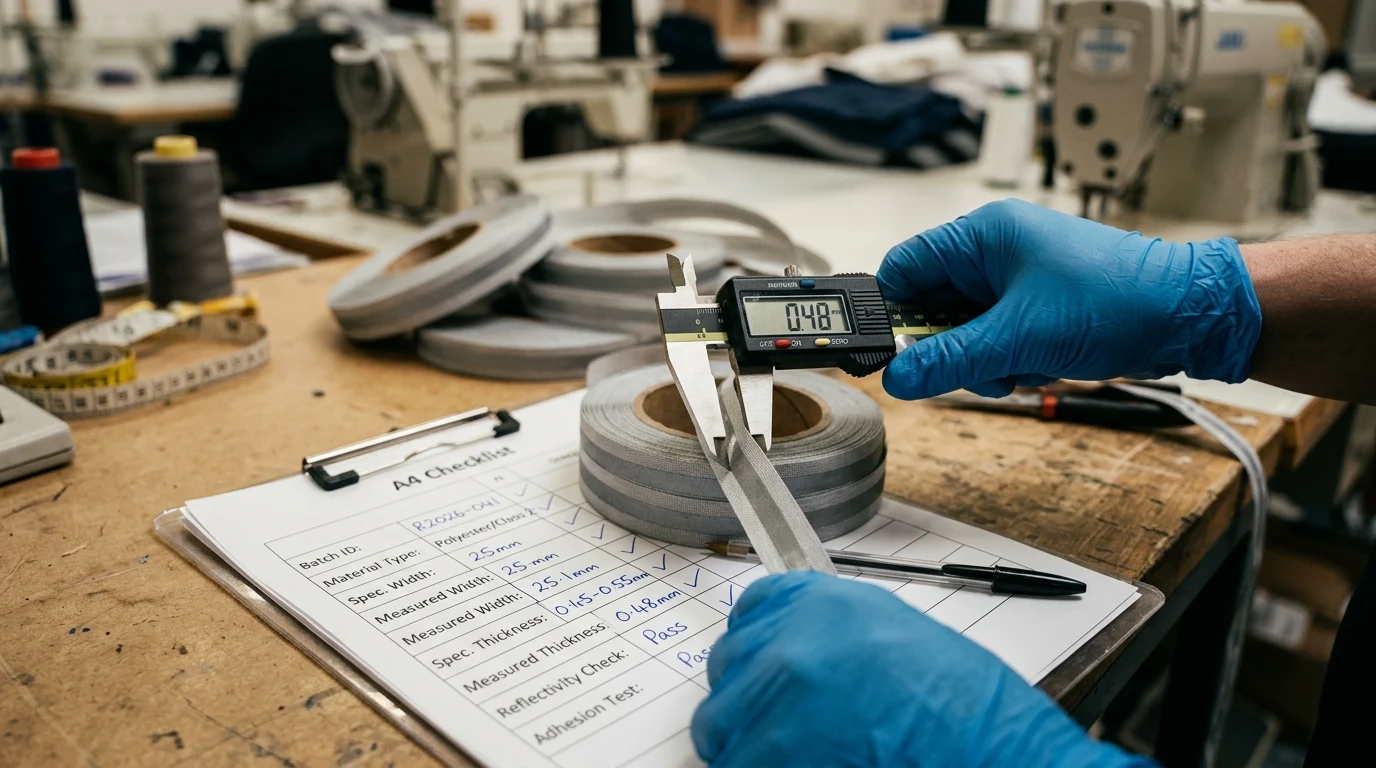
The technical efficacy of reflective binding tape relies heavily on its optical mechanisms and the structural integrity of its base fabric. Most professional-grade tapes utilize exposed glass bead technology, where thousands of microscopic high-index glass beads are embedded into a durable resin layer. When selecting a tape, apparel engineers must evaluate a complex matrix of optical, mechanical, and thermal specifications to ensure compatibility with the host garment.
Key technical specifications
The primary metric for reflective performance is the coefficient of retroreflection (R_A), measured in candelas per lux per square meter (cd/lx/m²). Standard commercial tapes typically offer around 330 cd/lx/m², while premium silver reflective bindings can exceed 500 cd/lx/m². Dimensional stability is another critical specification; standard widths range from 15mm to 30mm, with strict manufacturing tolerances of ±1mm to ensure consistent feeding through industrial sewing machine binders.
Washability ratings define the material’s lifecycle. Technical specifications usually indicate the maximum number of wash cycles the tape can endure before its retroreflectivity drops below the regulatory threshold of 100 cd/lx/m². High-performance variants are engineered to survive up to 50 domestic wash cycles at 60°C (ISO 6330) or specialized industrial laundering and dry-cleaning processes.
Woven, knit, elastic, and specialty types
Binding tapes are manufactured with various backing substrates to match the physical properties of the target garment. Woven backings, typically constructed from robust polyester or poly-cotton blends, offer high tensile strength and minimal stretch, making them ideal for heavy woven workwear and rigid PPE. Knit backings provide moderate flexibility and a softer hand feel, suitable for lightweight jackets and fleece garments.
For modern activewear, elastane-blended elastic bindings are mandatory. These tapes can stretch up to 20-30% without fracturing the reflective resin layer, preventing seam popping during athletic movement. Specialty types include flame-retardant (FR) binding tapes backed with aramid fibers (such as Nomex), which are designed to self-extinguish and withstand extreme thermal hazards in tactical and electrical utility workwear.
Evaluation criteria for comparison
To facilitate objective material selection, procurement teams must evaluate the trade-offs between different backing types. The following matrix outlines the comparative performance of standard reflective binding substrates:
| Backing Type | Maximum Stretch | Wash Durability (60°C) | Typical Application | Relative Cost Index |
|---|---|---|---|---|
| Woven (Poly/Cotton) | < 2% | 50+ Cycles | Heavy Workwear, PPE | Low |
| Tricot Knit (100% Poly) | 5 – 10% | 30-40 Cycles | Lightweight Jackets, Vests | Medium |
| Elastic (Poly/Spandex) | 20 – 30% | 25-30 Cycles | Activewear, Cycling Gear | High |
| Aramid (Flame Retardant) | < 2% | 50+ Cycles | Firefighting, Utility Gear | Premium |
Apparel engineers must utilize these criteria to ensure the binding tape’s mechanical properties align with the host fabric, thereby preventing premature garment failure.
Sewing Process and Quality Control
Integrating reflective binding tape into garments requires specialized sewing protocols to preserve the material’s optical properties and ensure structural seam integrity. The abrasive nature of the microscopic glass beads can cause accelerated wear on sewing machine components, while the resin coating is susceptible to perforation damage if incorrect parameters are applied. Mastering the sewing process is essential for maintaining production efficiency and minimizing costly defect rates.
Recommended sewing process steps
Optimal sewing parameters dictate a stitch density of 8 to 10 stitches per inch (SPI). Exceeding 10 SPI risks perforating the reflective layer excessively, which acts like a perforated tear-line and compromises the tape’s tensile strength. Needle selection is equally critical; manufacturers recommend using titanium-coated needles (size 70/10 to 90/14) to resist the abrasive heat generated by the glass beads. For elastic reflective tapes, a ballpoint needle is required to separate rather than cut the elastane fibers.
Thread tension must be carefully calibrated. Because reflective tapes are often denser than standard bias bindings, operators should reduce presser foot pressure to prevent puckering and ensure a smooth feed. Utilizing a synchronized walking foot or a specialized binder attachment ensures the tape folds precisely over the garment edge, maintaining a consistent margin and preventing the tape from slipping off the fabric raw edge.
Common failure modes
The most prevalent failure mode in sewing reflective tape is ‘needle cutting,’ where an overly thick or sharp needle severs the yarns of the backing fabric, leading to seam slippage and eventual detachment. Another common issue is thread breakage, caused by the friction of the glass beads against standard polyester thread. To mitigate this, factories often switch to lubricated or continuous filament threads.
Tape puckering or ‘tunneling’ occurs when there is a mismatch in shrinkage rates between the binding tape and the main garment fabric, or when excessive tension is applied by the binder attachment during sewing. Additionally, delamination of the reflective layer can occur if the sewing machine’s feed dogs are excessively sharp, aggressively scoring the underside of the tape as it passes through the machine.
In-line and final inspection criteria
Quality assurance protocols dictate strict in-line inspection to catch tension and alignment issues early. Operators must perform visual checks for skipped stitches, uneven folding, and surface scratching of the reflective layer. Seam slippage and tensile strength should be tested periodically during the production run using standard dynamometers (e.g., ASTM D434 methodology).
Final inspection criteria involve verifying the retroreflectivity of the attached tape using a handheld retroreflectometer to ensure the sewing process did not degrade the optical performance. Garments are also subjected to stretch-recovery tests if elastic binding is used. World-class manufacturing facilities enforce a strict defect threshold, aiming for a reject rate of less than 1.5% related to binding tape application.
Compliance, Sourcing, and Cost Considerations
Navigating the procurement landscape for reflective tapes requires a thorough understanding of global standards, rigorous supplier vetting, and precise cost modeling. Sourcing teams must balance the economic pressures of high-volume garment production with the non-negotiable requirements of safety certifications. Failure to source compliant materials can result in catastrophic product recalls and severe legal liabilities for the brand.
Standards and test methods
Regulatory compliance is paramount in the personal protective equipment sector. In the European Union, reflective materials must adhere to EN ISO 20471, which mandates a minimum retroreflection of 330 cd/lx/m² for Class 2 and Class 3 garments after specified wash cycles. In the United States, ANSI/ISEA 107 dictates similar performance criteria. Buyers must request third-party laboratory test reports (from facilities like SATRA or SGS) to verify these claims.
Beyond optical performance, chemical compliance is increasingly scrutinized. Reflective tapes must pass OEKO-TEX Standard 100 certification to ensure they are free from harmful substances such as heavy metals, azo dyes, and restricted phthalates. For specialized FR tapes, compliance with EN 469 (firefighters) or NFPA 2112 (flash fire) requires rigorous thermal degradation testing.
Supplier assessment
Effective supplier assessment evaluates a manufacturer’s vertical integration capabilities. Suppliers who control the coating of the glass beads, the weaving of the backing fabric, and the final slitting process generally offer superior quality control and more stable pricing. Procurement teams should audit potential partners for ISO 9001 certification and assess their batch-to-batch consistency using historical quality data.
Minimum Order Quantities (MOQ) and production scalability are crucial logistical factors. While standard silver woven binding tapes might have an MOQ of 1,000 meters, custom-dyed or specialty elastic tapes often require MOQs exceeding 5,000 meters. Evaluating a supplier’s capacity to absorb demand spikes without extending lead times is a critical component of the vetting process.
Main cost drivers
The financial modeling of reflective binding tape procurement depends on several variable cost drivers, including the base substrate, the optical technology, and the required certifications. The table below illustrates the cost hierarchy and estimated pricing parameters in the current global market:
| Tape Specification | Primary Cost Driver | Estimated Cost Band (USD/meter) | MOQ Impact |
|---|---|---|---|
| Standard Woven Silver | High-volume commodity production | $0.15 – $0.25 | Low |
| High-Stretch Elastic | Spandex pricing and specialized coating | $0.35 – $0.55 | Medium |
| Segmented/Patterned | Laser cutting and heat-transfer processes | $0.45 – $0.70 | High |
| Flame Retardant (Aramid) | Premium raw materials (Nomex/Kevlar) | $0.60 – $0.85 | High |
Logistics, import tariffs, and third-party testing fees can add an additional 15% to 25% to the landed cost of the material, requiring buyers to calculate the total cost of ownership rather than just the ex-works price.
Buyer Selection Framework
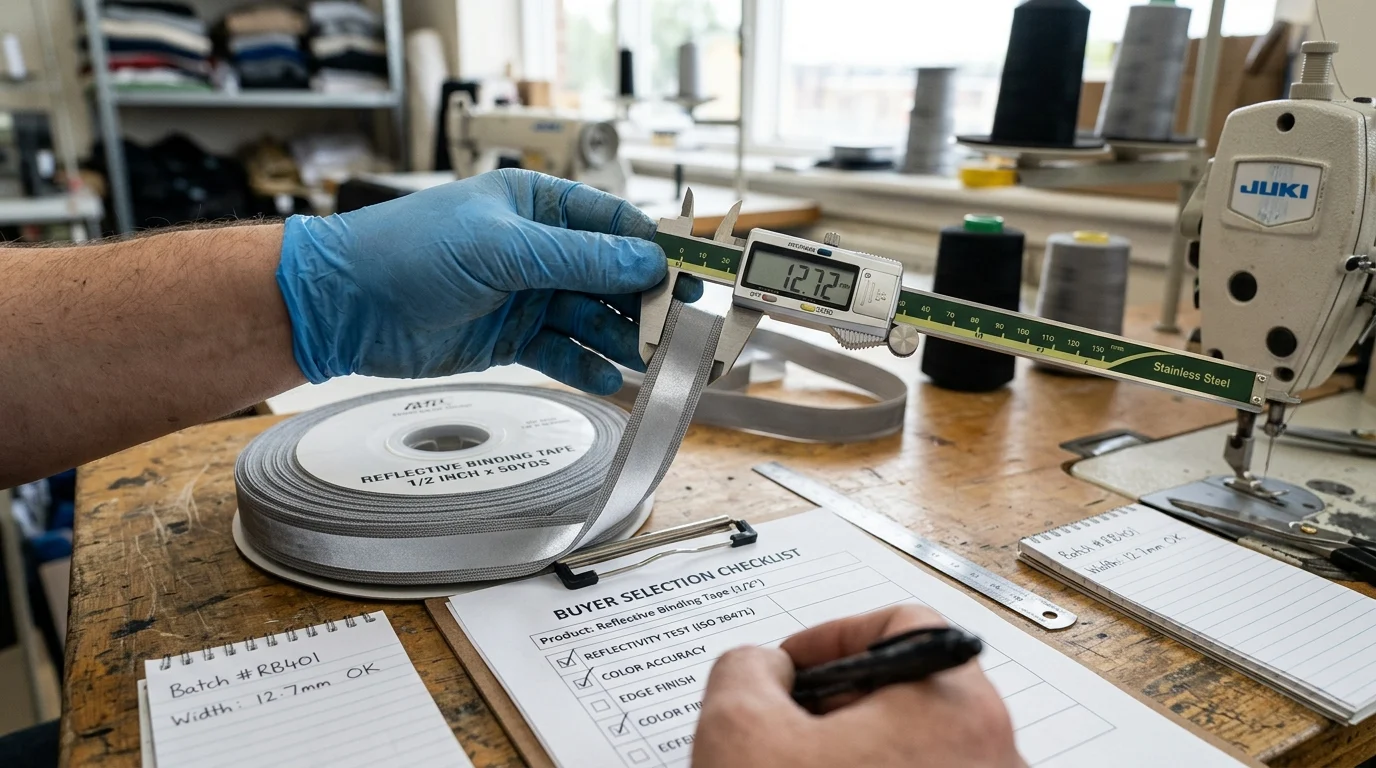
Establishing a robust buyer selection framework minimizes procurement risks and ensures the optimal integration of reflective binding tape into the final product line. Apparel brands must move beyond basic price comparisons and adopt a holistic approach that aligns material specifications with garment end-use, while simultaneously optimizing global supply chain logistics. A systematic selection matrix prevents the common pitfall of over-specifying material for casual wear or under-specifying for critical safety gear.
How to match product to application
Material compatibility remains the foremost selection criterion. Buyers must match the stretch modulus and weight of the binding tape to the main body fabric. For instance, applying a rigid woven reflective binding to a 4-way stretch activewear jacket will immediately cause seam puckering and restrict the wearer’s movement, necessitating a tape with at least 20% elastane content. Conversely, using a lightweight knit binding on heavy 300D Oxford polyester workwear will result in premature edge fraying due to insufficient abrasion resistance.
The garment’s intended lifecycle must also dictate the selection.
Key Takeaways
- The most important conclusions and rationale for Sewing Reflective Binding Tape
- Specs, compliance, and risk checks worth validating before you commit
- Practical next steps and caveats readers can apply immediately
Frequently Asked Questions
What width of reflective binding tape is best for sewing garments?
For most garments, 15–30mm works best. Use 15–20mm for lightweight apparel and 25–30mm for workwear, bags, or PPE edges.
Can reflective binding tape handle repeated washing?
Yes, if you choose the right grade. Look for tapes tested for 50+ domestic washes at 60°C or rated for industrial laundering when sourcing workwear trims.
Which type of reflective binding tape should I choose for stretch fabrics?
Use elastic or knit reflective binding for activewear and stretch panels. Woven tape suits rigid fabrics like safety vests, jackets, and heavy-duty uniforms.
How can buyers reduce quality risks when sourcing reflective binding tape from China?
Request samples, verify retroreflectivity and wash-test reports, and confirm width tolerance. A sourcing partner like Tramigo can help with factory audits, QC, and shipment coordination.
Where is reflective binding tape commonly sewn on products?
It is often sewn on cuffs, hems, zipper edges, armholes, bags, pet gear, and safety vests. These placements improve edge finishing and low-light visibility.


