

Eco-friendly nylon zippers are essential for improving the sustainability of home textiles. By incorporating biodegradable nylon zippers made from recycled materials, these zippers greatly decrease energy consumption and carbon emissions during production. When making your nylon zipper selection, focus on durability, material sourcing, and certifications to guarantee a positive environmental impact. Additionally, consider lightweight nylon zippers specifically designed for bed linens to enhance both functionality and eco-friendliness.
Key Takeaways
- Choose eco-friendly nylon zippers made from recycled materials to reduce environmental impact and promote sustainability.
- Look for certifications like Global Recycled Standard (GRS) to ensure zippers meet environmental and quality standards.
- Ask suppliers about materials and manufacturing processes to make informed choices that support eco-friendly practices.
Importance of Eco-Friendly Nylon Zippers
Environmental Impact of Traditional Zippers
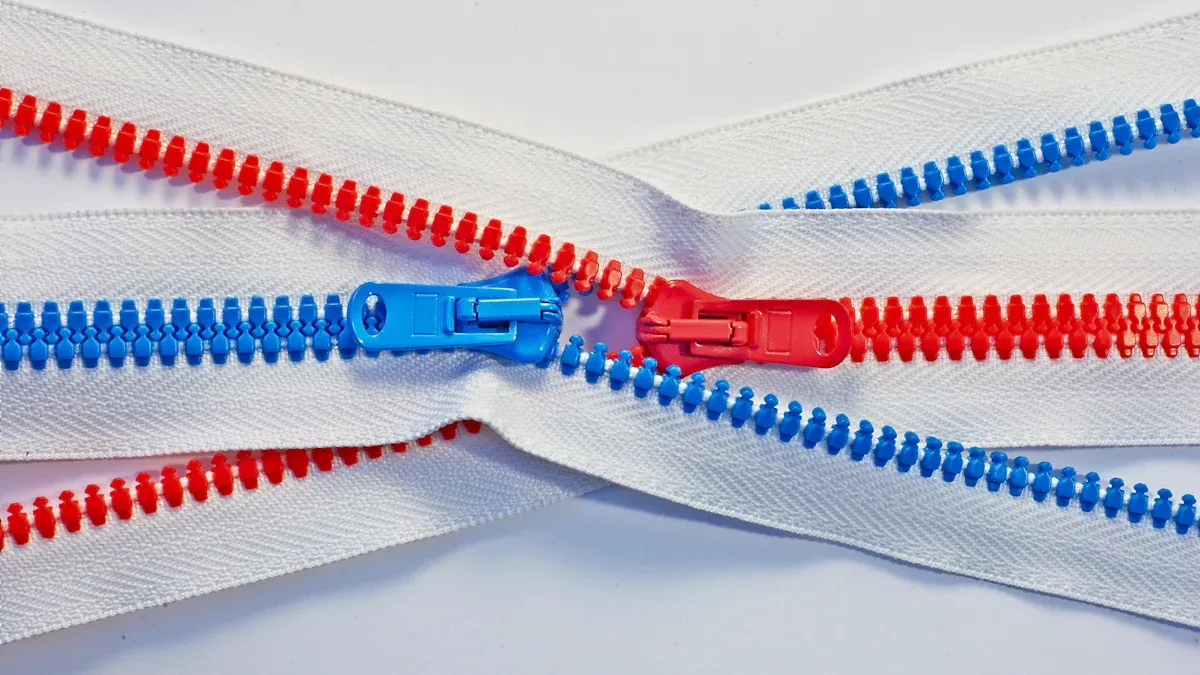
Traditional zippers often contribute significantly to environmental degradation. Most conventional zippers are made from plastic, specifically polyethylene, which comes from non-renewable fossil fuels. This reliance on fossil fuels leads to resource depletion and disrupts ecosystems. The production process for these zippers is energy-intensive, resulting in substantial greenhouse gas emissions that exacerbate climate change.
Moreover, the manufacturing of traditional zippers releases harmful pollutants into the air and water. These pollutants can damage ecosystems and pose risks to human health. Unfortunately, most plastic zippers do not get recycled. Instead, they typically end up in landfills, where they can take hundreds of years to decompose. Instead of fully biodegrading, they break down into microplastics, which contaminate soil, water, and air. This contamination can enter the food chain, posing potential health risks to both humans and wildlife.
Key Points on Traditional Zippers:
- Made from non-renewable fossil fuels.
- Energy-intensive production contributes to greenhouse gas emissions.
- Releases pollutants harmful to ecosystems and human health.
- Most end up in landfills, taking centuries to decompose.
- Break down into microplastics, contaminating the environment.
Benefits of Choosing Eco-Friendly Nylon Zippers
Opting for eco-friendly nylon zippers presents numerous advantages. These zippers are often made from recycled materials, significantly reducing the need for new resources. They also help lower fossil fuel consumption and plastic waste. The benefits of using eco-friendly nylon zippers in home textile products include:
| Benefit | Description |
|---|---|
| Durability | Eco-friendly nylon zippers are designed to last, ensuring longevity in home textile products. |
| Aesthetic Appeal | Available in various finishes (matte, glossy, custom colors) to match interior design themes. |
| Environmental Impact | Made from sustainable materials, reducing fossil fuel use and plastic waste. |
| Quiet Operation | Ideal for use in bedrooms and living rooms due to their silent functionality. |
| Easy Maintenance | Enables easy removal for cleaning or seasonal fabric changes without damaging the textile. |
By choosing eco-friendly nylon zippers, consumers can contribute to a more sustainable future. These zippers not only enhance the durability and aesthetic appeal of home textiles but also promote environmental responsibility.
Materials Used in Eco-Friendly Nylon Zippers
Recycled Nylon
Recycled nylon serves as a cornerstone for eco-friendly nylon zippers. Manufacturers create this material by repurposing discarded nylon products, such as fishing nets and fabric scraps. This process significantly reduces the demand for virgin nylon, which is derived from petroleum. By using recycled nylon, companies can lower their carbon footprint and minimize waste.
The production of recycled nylon involves several steps:
- Collection: Gather discarded nylon materials from various sources.
- Cleaning: Remove contaminants and impurities from the collected materials.
- Processing: Break down the nylon into smaller pieces and melt it down.
- Reforming: Extrude the melted nylon into new fibers suitable for zipper production.
This method not only conserves resources but also diverts waste from landfills. As a result, recycled nylon zippers contribute to a circular economy, promoting sustainability in the textile industry.
Biodegradable Alternatives
Biodegradable alternatives to traditional nylon zippers are gaining traction in the market. These zippers are designed to break down naturally over time, reducing their environmental impact. Manufacturers often use innovative materials, such as bio-based polymers derived from renewable resources like corn or sugarcane.
The benefits of biodegradable zippers include:
- Reduced Environmental Impact: These zippers decompose more quickly than conventional nylon, minimizing landfill waste.
- Sustainable Sourcing: Many biodegradable materials come from renewable sources, decreasing reliance on fossil fuels.
- Compatibility with Recycling: Some biodegradable zippers can be processed alongside other recyclable materials, enhancing overall sustainability.
By choosing biodegradable alternatives, consumers can further their commitment to eco-friendly practices. These zippers not only serve their functional purpose but also align with a growing demand for sustainable home textile products.
Evaluating Durability and Sustainability
Testing for Quality
When selecting eco-friendly nylon zippers, quality testing is crucial. Manufacturers should conduct rigorous tests to ensure zippers withstand daily use. Key tests include:
- Tensile Strength: Measures how much force the zipper can handle before breaking.
- Pull Test: Assesses the ease of opening and closing the zipper without snagging.
- Corrosion Resistance: Evaluates how well the zipper withstands exposure to moisture and chemicals.
These tests help guarantee that the zippers will perform reliably over time, making them suitable for various home textile applications.
Certifications to Look For
Certifications provide assurance that eco-friendly nylon zippers meet specific environmental and quality standards. Consumers should look for the following certifications:
| Certification | Description |
|---|---|
| Global Recycled Standard (GRS) | Ensures that products contain recycled materials and meet environmental criteria. |
| OEKO-TEX Standard 100 | Confirms that textiles are free from harmful substances and safe for human use. |
| ISO 14001 | Indicates that the manufacturer follows effective environmental management practices. |
These certifications not only enhance consumer confidence but also promote transparency in the supply chain. By choosing zippers with recognized certifications, consumers can support sustainable practices in the textile industry.
Tips for Purchasing Eco-Friendly Nylon Zippers
Where to Buy
Finding eco-friendly nylon zippers requires careful consideration of suppliers. Many retailers specialize in sustainable textiles and accessories. Here are some recommended sources:
- Online Marketplaces: Websites like Etsy and Amazon often feature sellers who focus on eco-friendly products.
- Specialty Stores: Local fabric shops may carry eco-friendly options. These stores often prioritize sustainable practices.
- Manufacturer Websites: Many manufacturers now offer direct sales through their websites. This option allows consumers to access a wider range of eco-friendly nylon zippers.
Questions to Ask Suppliers
Before purchasing, consumers should ask suppliers specific questions to ensure they choose the right products. Consider these inquiries:
- What materials are used in your eco-friendly nylon zippers?
- Do you have certifications for your products?
- What is the expected lifespan of your zippers?
- Can you provide information on your manufacturing processes?
- Are your zippers recyclable or biodegradable?
These questions help consumers make informed decisions. By understanding the materials and processes behind eco-friendly nylon zippers, they can support sustainable practices in the textile industry.
Innovations in Eco-Friendly Nylon Zippers
New Materials and Designs
Manufacturers are exploring innovative materials to enhance the sustainability of nylon zippers. One notable development is the use of polylactic acid (PLA), a biodegradable polymer derived from renewable resources. While PLA zippers offer environmental benefits, they present challenges. For instance, limited slider options exist due to the brittle nature of PLA, which can lead to breakage. Additionally, these zippers often require pairing with nylon or resin, restricting their application. Despite these limitations, the pursuit of new designs continues to drive the industry forward.
Industry Trends
The eco-friendly zipper market is witnessing several trends that reflect a growing commitment to sustainability. Key trends include:
- Increased Demand for Transparency: Consumers increasingly seek information about the sourcing and production processes of zippers.
- Focus on Circular Economy: Manufacturers aim to create products that can be recycled or composted, reducing waste.
- Collaboration with Eco-Conscious Brands: Partnerships between zipper manufacturers and sustainable textile brands are on the rise, promoting eco-friendly practices across the supply chain.
These trends indicate a shift towards more responsible manufacturing practices. As the industry evolves, eco-friendly nylon zippers will play a crucial role in the future of home textiles.
Selecting eco-friendly nylon zippers is crucial for promoting sustainability in home textiles. These zippers reduce environmental impact and enhance product longevity. Consumers should make informed choices to support eco-friendly practices. seedling Consider incorporating eco-friendly options in your next textile project to contribute to a greener future.
FAQ
What are eco-friendly nylon zippers made from?
Eco-friendly nylon zippers often use recycled nylon or biodegradable materials, reducing environmental impact and promoting sustainability in textile products.
How do I know if a zipper is eco-friendly?
Look for certifications like Global Recycled Standard (GRS) or OEKO-TEX Standard 100, which indicate sustainable sourcing and manufacturing practices.
Can eco-friendly zippers withstand daily use?
Yes, eco-friendly zippers undergo rigorous quality testing to ensure durability and reliability for everyday applications in home textiles.


