
How Waterproof Zippers Enhance Outdoor Backpack Performance
Waterproof zippers are specialized closure systems designed to prevent water penetration through the zipper teeth and tape interface. These closures significantly enhance outdoor backpack performance by protecting gear contents from rain, moisture, and environmental exposure. This article examines the technical mechanisms, material considerations, and practical benefits of waterproof zippers in outdoor equipment applications.

Understanding Waterproof Zipper Technology
A waterproof zipper differs from a standard zipper through its sealed construction that prevents moisture from passing through the interlocking teeth. The closure achieves water resistance through a combination of hydrophobic coatings, laminated tapes, and precisely engineered tooth geometry. According to ISO 69487 standards for textile fasteners, waterproof closures must demonstrate specific resistance levels under pressure conditions.
The basic mechanism involves overlapping elements that create a barrier when the zipper is closed. Water cannot penetrate because the zipper teeth interlock with zero gap tolerance, while the surrounding tape material repels moisture. This dual protection system ensures that gear remains dry even during sustained rainfall or accidental water submersion.
Material Composition and Construction
Waterproof zippers utilize several key materials to achieve their protective properties. The zipper teeth are typically constructed from corrosion-resistant metals or injection-molded plastics that resist degradation from moisture exposure. The supporting tape incorporates waterproof laminates or polyurethane coatings that prevent water absorption into the fabric structure.
Modern waterproof zippers often feature PVC or TPU (thermoplastic polyurethane) laminated tapes bonded to the zipper chain. Super Quality Reflective Tape construction techniques have influenced waterproof zipper manufacturing, creating seamless barriers along the entire zipper length. The slider mechanism incorporates rubber gaskets or silicone seals that compress when the zipper closes, providing additional protection at the critical closure point.
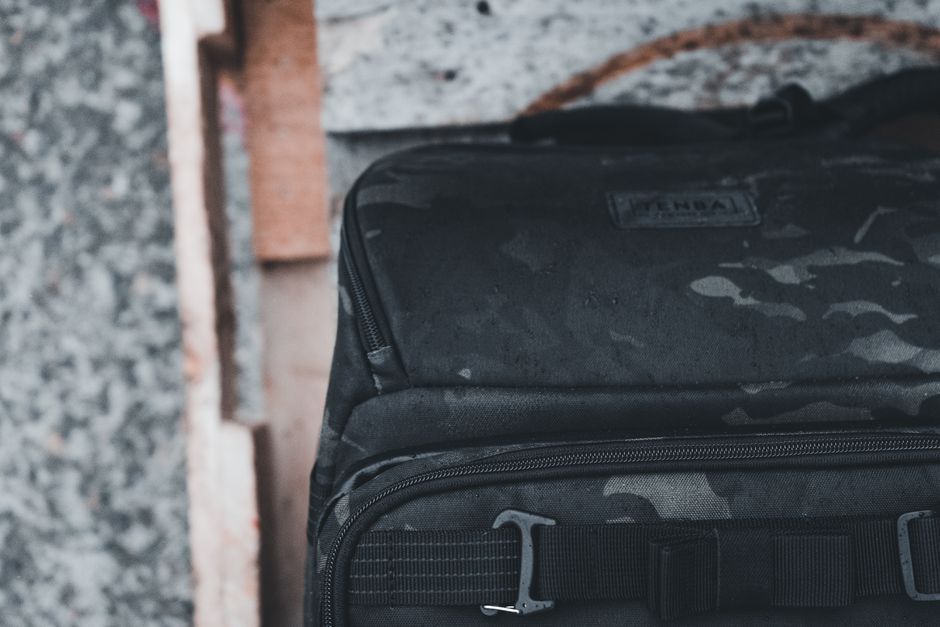
Key Benefits for Outdoor Backpacks
Waterproof zippers provide multiple advantages that directly impact backpack performance in outdoor environments:
- Moisture protection for sensitive electronics, clothing, and food supplies
- Extended gear lifespan through reduced exposure to water damage
- Improved reliability in unpredictable weather conditions
- Enhanced overall backpack durability and structural integrity
- Versatility for water-based activities including kayaking and fishing
These benefits translate into practical advantages for outdoor enthusiasts who rely on their gear to perform in demanding conditions. A waterproof zipper ensures that essential items remain accessible and protected regardless of environmental challenges. For additional weather protection solutions, many manufacturers recommend Magic hair roller tape for securing closure flaps and preventing water ingress at seam junctions.
Comparing Zipper Types for Outdoor Applications
Several zipper technologies offer varying degrees of water resistance for outdoor backpacks. Understanding the differences helps buyers make informed purchasing decisions. When researching product specifications, consulting search engine optimization best practices can help identify reputable manufacturers and quality indicators.
| Zipper Type | Water Resistance | Durability | Weight | Cost |
|---|---|---|---|---|
| Standard Coil Zipper | Low | Moderate | Light | Low |
| Water-Resistant Zipper | Moderate | Good | Light | Moderate |
| Waterproof Zipper (TPU) | High | Excellent | Moderate | High |
| Hermetic Zipper | Very High | Very Good | Heavy | Very High |
TPU laminated waterproof zippers offer the best balance of water resistance and weight for most outdoor applications. Hermetic zippers provide superior protection but add significant weight, making them better suited for specialized water sports equipment.
Design Considerations for Maximum Performance
Backpack designers must consider several factors when implementing waterproof zippers to ensure optimal performance. Zipper placement affects both accessibility and water intrusion risk, with horizontal placements typically offering better protection than vertical orientations. Storm flaps provide additional protection by covering the zipper when exposed to direct rainfall.
Quality construction materials for waterproof zippers include marine-grade hardware that resists salt corrosion for coastal applications. Quality A components ensure reliable performance in demanding environments. Designers also consider the interaction between waterproof zippers and other backpack features like compression straps or hip belts, ensuring that these elements do not compromise the zipper seal during use.
The installation process requires precise alignment and proper sealing techniques to maintain waterproof integrity. Industrial sewing techniques using compatible thread types and stitch densities ensure that the zipper installation does not create water entry points through needle holes or seam gaps.
Maintenance and Longevity
Proper maintenance extends the functional lifespan of waterproof zippers significantly. Regular cleaning removes debris and particulate matter that can compromise the zipper seal over time. Lubrication with silicone-based products maintains smooth operation without degrading waterproof coatings.
Back to Back Hook and Loop Tape systems often complement waterproof zippers for securing closure flaps. These fastening solutions provide additional weather protection while allowing quick access to main compartments. Flame Retardant Velcro may be incorporated in specialized applications where fire resistance is required.
Inspection routines should include checking for signs of coating degradation, tape delamination, or slider wear. Early detection of these issues allows for preventive maintenance that avoids unexpected zipper failure during critical use situations.
Selection Checklist for Outdoor Backpacks
When evaluating backpacks with waterproof zippers, consider the following factors:
- Verify zipper type and water resistance rating for intended activities
- Check for reinforced tape stitching and sealed seam construction
- Assess slider quality and corrosion-resistant coatings
- Evaluate storm flap integration and coverage design
- Consider zipper placement and accessibility requirements
- Review manufacturer warranty and customer support availability
This checklist ensures that the selected backpack meets specific performance requirements for the intended outdoor applications. Premium waterproof zippers represent a significant investment, so verifying quality indicators helps avoid premature failures. For those developing product listings, Google’s search documentation provides guidance on presenting technical specifications effectively.
Common Applications and Use Cases
Waterproof zippers appear across various outdoor equipment categories beyond traditional backpacks. Dry bags for kayaking and water sports rely on hermetic zipper closures to maintain waterproof integrity during submersion. Summit packs and technical hiking bags incorporate waterproof zippers to protect overnight gear in alpine environments.
Fishing tackle bags and hunting packs utilize waterproof zippers to keep ammunition, electronics, and bait supplies dry in wet conditions. Reflective Piping Tape applications enhance visibility on waterproof closures for low-light outdoor activities, providing both weather protection and safety benefits.
The versatility of waterproof zippers extends to travel luggage, cycling panniers, and military field equipment where weather exposure is unavoidable. Reflective Embroidery Yarn stitching can be incorporated into waterproof zipper pulls for enhanced nighttime visibility. Each application benefits from the core advantage of preventing moisture ingress through the closure system.
Troubleshooting Common Issues
Users may encounter several common issues with waterproof zippers that require specific solutions. Sticking or binding often results from debris accumulation in the zipper teeth, requiring cleaning with a soft brush and warm water. Salt deposits from ocean exposure accelerate zipper degradation if not promptly rinsed with fresh water.
Slider wear manifests as difficulty closing the zipper or reduced sealing pressure at the closure point. This issue typically requires zipper replacement rather than repair, as the slider mechanism creates the primary seal. Web accessibility guidelines recommend ensuring zipper pulls are operable for users with limited dexterity, which applies to waterproof zipper design considerations.
Delamination of laminated tape occurs when waterproof coatings separate from the supporting fabric, creating visible bubbles or peeling edges. This failure mode compromises water resistance and indicates the need for professional zipper replacement or backpack repair. Organizations should implement cybersecurity protocols when purchasing replacement zippers through online platforms to ensure product authenticity.
Conclusion
Waterproof zippers represent a critical technology for outdoor backpack performance, providing essential moisture protection for gear and supplies. Understanding the technical mechanisms, material compositions, and maintenance requirements helps users make informed decisions when selecting outdoor equipment. The investment in quality waterproof zippers pays dividends through improved gear reliability, extended equipment lifespan, and enhanced outdoor experience regardless of weather conditions.
Frequently Asked Questions
What makes a zipper truly waterproof versus water-resistant?
Truly waterproof zippers use sealed construction with laminated tapes and gasket-sealed sliders that prevent water passage under pressure. Water-resistant zippers delay but do not prevent water penetration through standard coil or toothed designs.
Can waterproof zippers be repaired if they fail?
Minor issues like debris or stiff operation can be addressed through cleaning and lubrication. However, major failures like slider wear or tape delamination typically require complete zipper replacement rather than repair.
How long do waterproof zippers typically last?
Quality waterproof zippers last 3-5 years with regular use and proper maintenance. Heavy use in demanding conditions may reduce lifespan, while occasional use in mild environments can extend functional performance.
Are expensive waterproof zippers worth the investment?
Premium waterproof zippers offer superior durability, better water resistance ratings, and longer functional lifespans. For serious outdoor enthusiasts or professional applications, the investment provides reliable performance that protects valuable gear.
Can I add waterproof zippers to an existing backpack?
Professional zipper replacement is possible but requires specialized equipment and sewing skills. The original backpack construction may not accommodate waterproof zipper installation, making replacement with a purpose-built waterproof backpack often more practical.


