
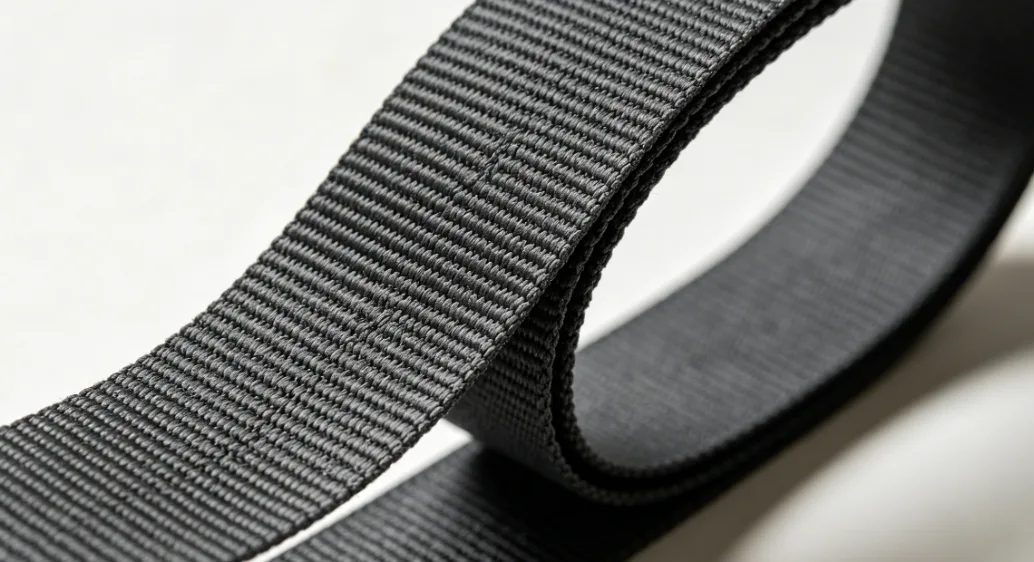
How to Test Industrial Webbing Strength and Durability Properly
Industrial webbing strength and durability testing is essential for ensuring safety, load performance, and long-term reliability in demanding applications. Proper testing helps manufacturers, importers, and product designers verify whether industrial webbing meets required specifications before use in lifting equipment, safety products, outdoor gear, transportation systems, and military applications.
Industrial webbing materials such as nylon webbing, polyester webbing, and polypropylene webbing can perform differently under load, abrasion, UV exposure, and environmental stress. Understanding how to test industrial webbing strength and durability properly helps reduce product failures and improve quality control.
What Is Industrial Webbing Strength and Durability?
Industrial webbing strength refers to the maximum load a webbing material can withstand before failure. Durability refers to the ability of industrial webbing to maintain performance after repeated exposure to wear, environmental conditions, and operational stress.
Common performance indicators include:
- Tensile strength
- Breaking strength
- Elongation
- Abrasion resistance
- UV resistance
- Chemical resistance
- Fatigue resistance
Industrial sectors often use these measurements to determine whether webbing is suitable for safety-critical applications.
Why Proper Industrial Webbing Testing Matters
Industrial webbing testing prevents unexpected failures and ensures compliance with industry requirements.
Applications requiring verified webbing performance include:
- Cargo securing systems
- Fall protection equipment
- Safety harnesses
- Outdoor equipment
- Military gear
- Medical restraint systems
- Automotive safety products
According to industry estimates, insufficient testing is one of the leading causes of premature webbing failure in heavy-duty applications.
Key Conclusion
A webbing product should never be selected based solely on material specifications. Actual testing data provides the most reliable performance evaluation.
Key Standards for Industrial Webbing Testing
Recognized testing standards provide consistent methods for evaluating industrial webbing performance.
Several organizations publish testing requirements:
| Standard Organization | Relevant Testing Scope |
|---|---|
| ISO | Textile mechanical testing |
| ASTM International | Tensile and durability testing |
| OSHA | Workplace safety compliance |
| ANSI | Safety equipment requirements |
Recommended references:
These standards help ensure test results remain consistent across suppliers and manufacturers.
How to Test Industrial Webbing Strength
Tensile testing is the most important method for measuring industrial webbing strength.
1. Prepare Test Samples
Cut samples according to applicable standards.
Record:
- Webbing width
- Thickness
- Material type
- Manufacturing batch
Multiple samples should be tested to improve reliability.
2. Use a Universal Testing Machine
A calibrated tensile testing machine gradually applies force until the webbing breaks.
The machine records:
- Maximum load
- Breaking force
- Elongation percentage
- Failure location
3. Analyze Breaking Strength
The primary strength measurement is breaking force.
| Webbing Type | Typical Strength Range* |
|---|---|
| Polypropylene Webbing | Moderate |
| Polyester Webbing | High |
| Nylon Webbing | Very High |
*Actual values vary by width, weave pattern, and construction.
Key Conclusion
Breaking strength should always exceed the maximum intended working load by an appropriate safety factor specified by applicable standards.
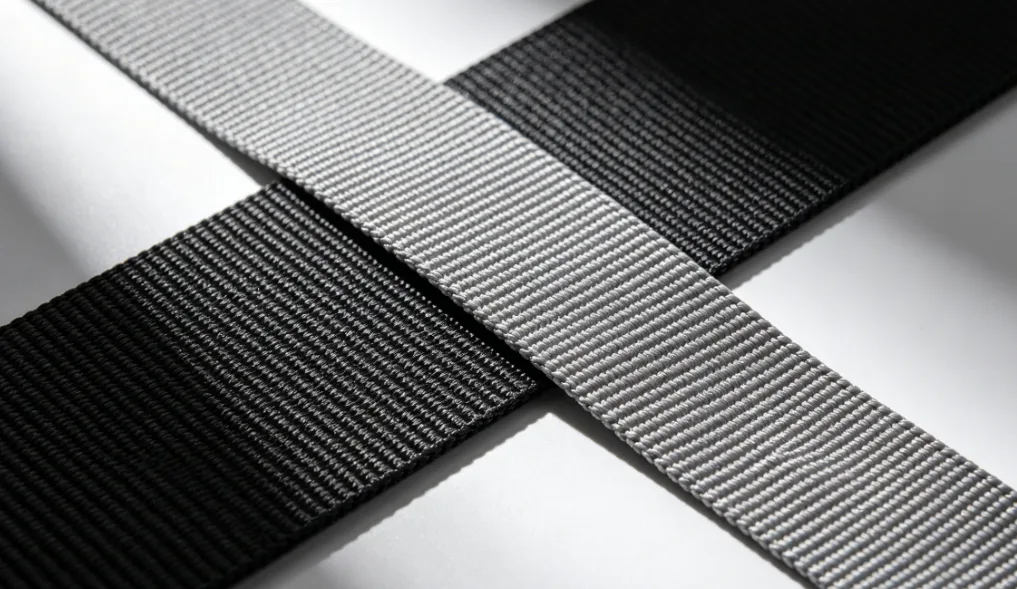
How to Test Industrial Webbing Durability
Durability testing evaluates long-term performance under realistic operating conditions.
Unlike tensile testing, durability testing measures performance after repeated exposure to wear and environmental stress.
Abrasion Resistance Testing
Abrasion testing simulates repeated friction during use.
The webbing is rubbed against abrasive surfaces for a predetermined number of cycles.
Measurements include:
- Surface wear
- Fiber breakage
- Strength retention
Applications such as cargo straps and safety harnesses rely heavily on abrasion resistance.
UV Resistance Testing
UV testing determines how sunlight affects industrial webbing performance.
Samples are placed inside accelerated weathering chambers that simulate prolonged outdoor exposure.
Critical measurements include:
- Color stability
- Tensile strength retention
- Surface degradation
Outdoor equipment manufacturers frequently require UV-resistant webbing.
Flex Fatigue Testing
Flex fatigue testing evaluates repeated bending performance.
The test simulates:
- Folding
- Twisting
- Repeated movement
This method is particularly important for harnesses, backpacks, and lifting slings.
Chemical Resistance Testing
Chemical exposure testing evaluates webbing performance when exposed to:
- Oils
- Fuels
- Cleaning agents
- Industrial chemicals
Results help determine suitability for industrial environments.
Common Failure Modes in Industrial Webbing
Understanding common failure mechanisms improves product selection and quality control.
| Failure Type | Primary Cause |
|---|---|
| Tensile Failure | Excessive load |
| Abrasion Damage | Continuous friction |
| UV Degradation | Sun exposure |
| Chemical Damage | Harsh chemicals |
| Stitch Failure | Poor sewing quality |
| Edge Fraying | Improper finishing |
Monitoring these failure modes during testing helps identify weaknesses before commercial deployment.
Industrial Webbing Testing Checklist
A structured testing checklist improves consistency and repeatability.
Before approving industrial webbing, verify:
Strength Evaluation
- Tensile strength tested
- Breaking strength recorded
- Elongation measured
- Safety factor verified
Durability Evaluation
- Abrasion testing completed
- UV testing completed
- Flex fatigue testing completed
- Chemical resistance evaluated
Quality Inspection
- Weave consistency checked
- Edge quality inspected
- Thickness verified
- Width tolerance measured
This process helps establish reliable quality assurance procedures.
Choosing Industrial Webbing Based on Test Results
Different applications require different performance priorities.
| Application | Most Important Test |
|---|---|
| Cargo Control | Tensile Strength |
| Fall Protection | Breaking Strength |
| Outdoor Equipment | UV Resistance |
| Safety Harnesses | Fatigue Resistance |
| Industrial Lifting | Load Capacity |
| Marine Equipment | UV & Moisture Resistance |
Selection should always be based on documented test results rather than appearance alone.
Related Industrial Textile Products
Manufacturers working with industrial webbing often combine webbing products with other textile components.
Relevant product categories include:
- Industrial Webbing
- Reflective Tape
- Reflective Heat Transfer Vinyl
- Hook and Loop Fasteners
- Elastic Webbing
- Non-Elastic Webbing
- Safety Trim Materials
These materials are commonly used together in safety products, outdoor equipment, transportation systems, and industrial applications.
Conclusion
Industrial webbing strength and durability testing is the foundation of reliable product performance. Tensile testing, abrasion testing, UV resistance testing, fatigue testing, and chemical resistance evaluation provide measurable data that supports safe material selection.
Organizations that implement standardized testing procedures are better positioned to improve product quality, reduce field failures, and maintain compliance with industry requirements.
FAQ
1. What is the difference between tensile strength and breaking strength in industrial webbing?
Tensile strength describes the resistance of webbing to pulling forces, while breaking strength refers to the maximum force sustained before failure. Many testing reports include both measurements because they provide different insights into overall webbing performance and safety margins.
2. How often should industrial webbing be tested?
Testing frequency depends on application risk, regulatory requirements, and production volume. New material batches, supplier changes, and critical safety products typically require additional testing to maintain consistent quality assurance standards.
3. Does UV exposure significantly reduce webbing strength?
Yes. Prolonged ultraviolet exposure can weaken fibers and reduce load-bearing capacity. UV-resistant polyester webbing generally performs better than many standard materials when used in outdoor environments for extended periods.
4. Which webbing material provides the highest strength?
Nylon webbing often provides excellent tensile strength and flexibility. However, polyester webbing may offer superior UV resistance and dimensional stability. The best choice depends on the application’s environmental and mechanical requirements.
5. Can visual inspection replace laboratory webbing testing?
No. Visual inspection can identify obvious defects such as fraying or discoloration, but it cannot accurately measure tensile strength, fatigue resistance, or remaining load capacity. Laboratory testing remains the most reliable method for performance verification.


