
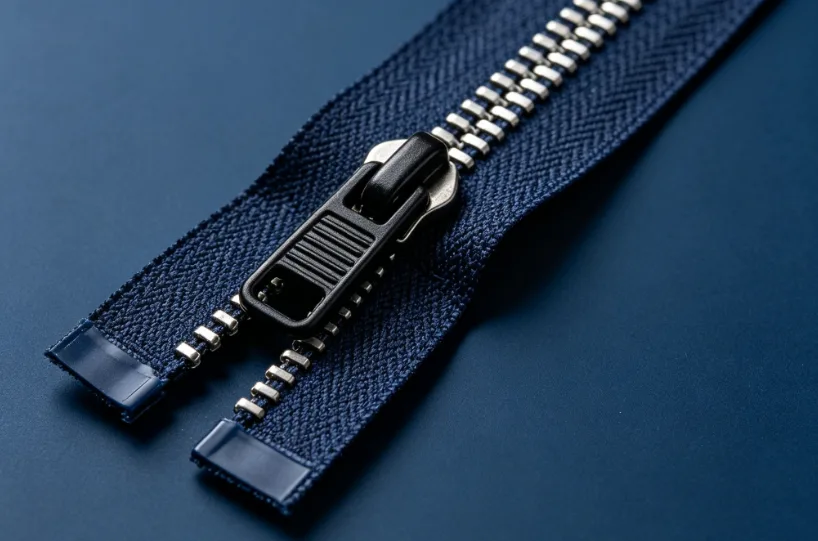
How Marine Safety Equipment Uses Waterproof Zipper Technology
Waterproof zipper technology plays a critical role in modern marine safety equipment by preventing water intrusion, protecting critical gear, and improving user safety in harsh maritime environments. From life jackets and immersion suits to waterproof rescue bags, high-performance waterproof zippers help maintain equipment functionality when exposed to saltwater, rain, waves, and extreme weather conditions.
As marine safety regulations become more stringent, manufacturers increasingly rely on advanced waterproof zipper systems to improve durability, reliability, and operational safety.
Why Waterproof Zipper Technology Matters in Marine Safety Equipment
Waterproof zipper technology helps marine safety equipment maintain protective performance in wet and demanding environments.
Marine operations expose equipment to continuous moisture, salt spray, UV radiation, and fluctuating temperatures. Standard zippers often allow water penetration through zipper teeth and stitching channels, which can compromise safety equipment performance.
Waterproof zipper systems help prevent:
- Water ingress
- Corrosion of internal components
- Damage to electronic equipment
- Loss of thermal insulation
- Premature equipment degradation
For rescue personnel, offshore workers, and recreational boaters, waterproof closures can significantly improve equipment reliability during emergencies.
External Reference:
International Maritime Organization (IMO)
How Waterproof Zippers Work
Waterproof zippers create a sealed barrier that blocks water from passing through the zipper assembly.
Unlike conventional zippers, waterproof zipper technology incorporates specialized coatings, laminated films, and precision-engineered sealing surfaces.
Typical waterproof zipper construction includes:
- Waterproof polyurethane coating
- High-density woven zipper tape
- Corrosion-resistant zipper elements
- Water-blocking sealing structure
- Reinforced stitching interfaces
When closed properly, the zipper creates a continuous barrier that significantly reduces water penetration under normal marine operating conditions.
Types of Waterproof Zipper Technology Used in Marine Applications
Different waterproof zipper technologies serve different marine safety requirements.
Manufacturers select zipper systems based on exposure conditions, durability requirements, and equipment type.
Common Waterproof Zipper Types
| Waterproof Zipper Type | Primary Application | Water Protection Level |
|---|---|---|
| PU-Coated Zipper | Waterproof Bags | High |
| Airtight Waterproof Zipper | Survival Suits | Very High |
| Injection Molded Waterproof Zipper | Marine Apparel | High |
| TPU Laminated Zipper | Dry Bags | High |
| Heavy-Duty Waterproof Zipper | Offshore Equipment | Very High |
Airtight waterproof zipper systems are often used in immersion suits where complete water exclusion is essential.
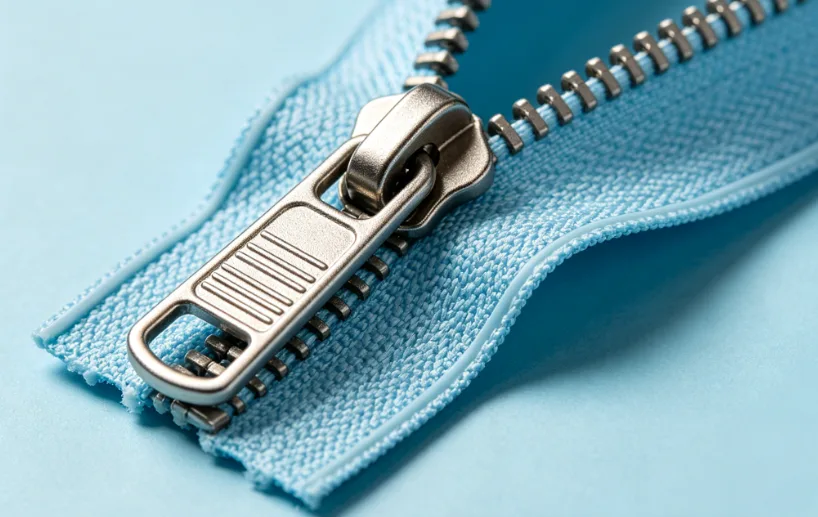
Marine Safety Equipment That Uses Waterproof Zipper Technology
Many categories of marine safety equipment depend on waterproof zipper technology for reliable operation.
The most common applications include:
1. Immersion Suits
Immersion suits protect users from hypothermia in cold-water emergencies. Waterproof zipper systems prevent water entry and help maintain thermal protection.
2. Dry Suits
Professional divers and rescue personnel use dry suits equipped with airtight waterproof zippers to keep undergarments completely dry.
3. Life Jackets with Storage Compartments
Advanced life jackets often include waterproof pockets for emergency communication devices and signaling equipment.
4. Waterproof Rescue Bags
Marine rescue teams frequently use waterproof bags to transport medical equipment, radios, and emergency supplies.
5. Offshore Protective Clothing
Offshore workers rely on waterproof garments that use specialized zipper systems to prevent water penetration during extended exposure.
Waterproof Zipper vs Water-Resistant Zipper Comparison
Waterproof zippers provide significantly higher protection than water-resistant zippers.
Although the terms are sometimes used interchangeably, the technologies differ substantially.
Waterproof vs Water-Resistant Zippers
| Feature | Waterproof Zipper | Water-Resistant Zipper |
|---|---|---|
| Water Protection | Excellent | Moderate |
| Sealing Capability | High | Limited |
| Marine Suitability | Excellent | Moderate |
| Immersion Protection | Suitable | Not Recommended |
| Cost | Higher | Lower |
For critical marine safety equipment, waterproof zipper technology is generally preferred over standard water-resistant alternatives.
Key Standards for Marine Waterproof Zipper Performance
Marine safety equipment manufacturers often evaluate waterproof zippers according to internationally recognized testing standards.
Common performance evaluations include:
- Hydrostatic pressure testing
- Salt spray resistance testing
- UV weathering testing
- Tensile strength testing
- Corrosion resistance testing
- Repeated cycling durability testing
Relevant standards may include:
- ISO 12402 Personal Flotation Devices
- SOLAS Marine Safety Requirements
- IMO Performance Guidelines
External References:
International Organization for Standardization (ISO)
How to Select Waterproof Zipper Technology for Marine Equipment
Selecting the correct waterproof zipper technology depends on the intended marine environment and equipment function.
Procurement teams should evaluate several factors before selecting a waterproof zipper system.
Waterproof Zipper Selection Checklist
| Evaluation Factor | Recommended Requirement |
|---|---|
| Water Protection | Marine Grade |
| Corrosion Resistance | High |
| UV Resistance | High |
| Operating Temperature | Wide Range |
| Closure Reliability | High Cycle Tested |
| Maintenance Requirements | Low |
| Certification Compliance | Relevant Marine Standards |
For offshore and rescue applications, heavy-duty waterproof zippers generally provide the best long-term performance.
Related Marine Safety Textile Components
Waterproof zippers are often integrated with other technical textile materials used in marine safety equipment.
Common complementary products include:
- Reflective Webbing
- Reflective Tape
- Reflective Material
- Reflective Heat Transfer Vinyl
- Reflective Piping Tape
- Safety Vest Materials
These materials improve visibility, durability, and operational safety across marine rescue and offshore industries.
Conclusion
Waterproof zipper technology is an essential component of modern marine safety equipment because it helps prevent water intrusion, protect critical equipment, and maintain user safety in challenging maritime conditions. From immersion suits and dry suits to waterproof rescue bags and offshore protective clothing, advanced waterproof zipper systems contribute significantly to equipment reliability and long-term performance.
Frequently Asked Questions
1. What is the difference between a waterproof zipper and a water-resistant zipper?
A waterproof zipper is designed to create a near-complete barrier against water penetration using specialized coatings and sealing structures. A water-resistant zipper can repel light moisture but may allow water ingress under prolonged exposure or pressure.
2. Why are waterproof zippers important in marine safety equipment?
Waterproof zippers help protect users and equipment by preventing water from entering critical compartments or protective garments. This capability is particularly important for immersion suits, dry suits, rescue bags, and offshore protective clothing.
3. Can waterproof zippers withstand saltwater exposure?
Marine-grade waterproof zippers are specifically designed to resist corrosion caused by saltwater environments. Manufacturers often use corrosion-resistant materials and protective coatings to improve long-term durability in offshore applications.
4. How are waterproof zippers tested for marine applications?
Testing commonly includes hydrostatic pressure resistance, salt spray exposure, UV weathering, tensile strength evaluation, and repeated opening-and-closing cycle testing. These tests help verify durability and performance under real-world marine conditions.
5. How long do marine waterproof zippers typically last?
Service life depends on usage frequency, environmental exposure, maintenance practices, and zipper quality. High-quality marine-grade waterproof zippers can provide many years of reliable performance when properly maintained and regularly inspected.


