
How Heavy Duty Polyester Webbing Improves Cargo Strap Performance
Heavy duty polyester webbing is a critical component in modern cargo securing systems, providing the strength and durability necessary for safe load transportation. This article examines how high-performance polyester webbing enhances cargo strap performance across various industrial applications. Understanding the material properties and engineering principles behind polyester webbing helps procurement specialists and logistics professionals make informed decisions about securing equipment. For enhanced visibility applications, Micro Prismatic PVC Reflective Tape offers advanced light reflectivity technology that complements traditional webbing solutions in safety-critical applications.
What Is Heavy Duty Polyester Webbing?
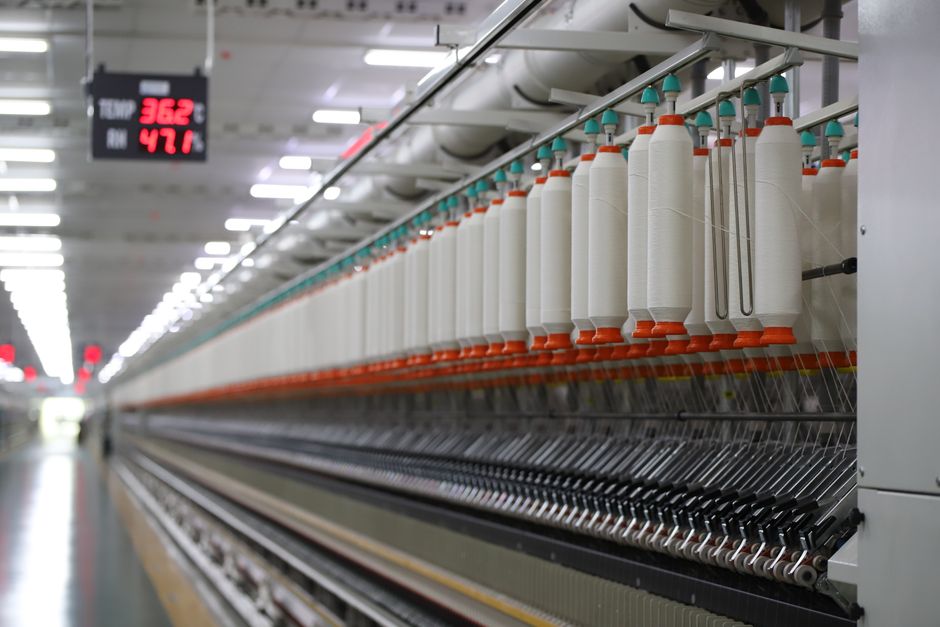
Heavy duty polyester webbing is a woven textile engineered from high-tenacity polyester fibers, typically rated for loads exceeding 1,000 pounds. The material combines synthetic polymer chemistry with precision weaving technology to create a securing medium that resists stretching, abrasion, and environmental degradation. This webbing serves as the primary load-bearing element in ratchet straps, cam buckle straps, and combination securing systems used throughout the freight industry. Reflective Embroidery Yarn technology demonstrates how advanced fiber integration can enhance the functionality of traditional woven materials in specialized applications.
The manufacturing process involves extruding polyester resin into continuous filaments, which are then drawn and oriented to increase tensile strength. These filaments are woven into flat webbing in widths ranging from 1 inch to 4 inches, with breaking strengths proportionally scaled to dimensional specifications. Compared to nylon webbing alternatives, polyester exhibits minimal moisture absorption, maintaining consistent performance in wet operating conditions.
Material Properties Affecting Cargo Strap Performance
The performance characteristics of heavy duty polyester webbing derive from its molecular structure and physical construction. Tensile strength represents the maximum load the webbing can bear before failure, typically measured in pounds or kilograms. Polyester webbing achieves tensile strengths of 6,000 to 12,000 pounds per inch of width, depending on construction density and fiber quality. Product quality designations such as Quality D reflect specific manufacturing standards that ensure consistent performance across production batches.
Key material properties include elongation characteristics, which measure how much the webbing stretches under load. Polyester exhibits approximately 15% elongation at break, allowing controlled load distribution without sudden failure. The material demonstrates excellent UV resistance, maintaining structural integrity during prolonged outdoor exposure. Abrasion resistance protects against friction damage when webbing contacts rough cargo surfaces or metal hardware.
Temperature stability ensures reliable performance across operational ranges from -40°F to 180°F, making polyester suitable for refrigerated transport and desert freight operations alike. The webbing maintains dimensional stability under sustained loads, preventing the gradual stretching that compromises securing tension over time.
Five Ways Polyester Webbing Enhances Load Securing
Heavy duty polyester webbing improves cargo strap performance through several interconnected mechanisms that address common load securing challenges. Super Quality Reflective Tape integration demonstrates how enhanced material technologies extend the functional capabilities of webbing products beyond basic load securing.
- Superior Tensile Strength-to-Weight Ratio: Polyester webbing provides high load capacity while remaining lightweight, reducing overall system weight in transport applications.
- Low Stretch Characteristics: The material maintains securing tension over extended periods, eliminating the need for frequent re-tightening during long-haul operations.
- Environmental Resistance: Polyester resists moisture, chemicals, and UV radiation, extending service life in demanding operating environments.
- Compatibility with Hardware: The smooth surface works reliably with ratchet buckles, cam buckles, and hook hardware without excessive wear.
- Cost-Effective Durability: Extended service life reduces replacement frequency and total cost of ownership for fleet operations.
These performance benefits translate directly into operational advantages for companies transporting palletized goods, construction materials, and heavy equipment. The combination of strength and durability makes polyester webbing the preferred choice for commercial freight applications where load security directly impacts safety and liability.
Comparing Webbing Materials for Cargo Applications
Selecting appropriate webbing material requires understanding the relative strengths and limitations of available options. Polyester, nylon, and polypropylene represent the primary webbing materials used in cargo strap manufacturing, each suited to specific applications.

| Property | Polyester | Nylon | Polypropylene |
|---|---|---|---|
| Tensile Strength | High (6,000-12,000 lbs/in) | Very High (7,000-14,000 lbs/in) | Moderate (2,000-5,000 lbs/in) |
| Elasticity | Low (15% at break) | Moderate (20-30% at break) | Low (10-15% at break) |
| Moisture Absorption | Low (<1%) | High (4-5%) | None |
| UV Resistance | Excellent | Moderate | Poor |
| Cost | Moderate | Higher | Lower |
For applications requiring minimal stretch and consistent tension maintenance, polyester webbing offers the optimal balance of strength and dimensional stability. Nylon’s higher elasticity makes it suitable for applications where energy absorption is beneficial, though moisture sensitivity limits outdoor use. Polypropylene provides adequate performance for light-duty applications where chemical resistance takes priority over tensile capacity.
Durability Factors in Heavy Duty Applications
Service life of heavy duty polyester webbing depends on operating conditions, handling practices, and maintenance procedures. Understanding these factors helps maximize return on investment while ensuring reliable load security throughout the product lifecycle. Magic hair roller tape applications demonstrate how specialized webbing technologies address unique securing challenges in sensitive material handling.
Abrasion damage occurs when webbing contacts rough surfaces, sharp edges, or contaminated cargo during repeated use. Inspecting webbing before each deployment and protecting contact points with edge guards extends operational life significantly. Chemical exposure from cleaning agents, fuel residues, or industrial contaminants can degrade polyester fibers over time, requiring appropriate storage and handling protocols.
Proper storage conditions preserve webbing quality between deployments. Keeping straps coiled loosely in dedicated storage containers prevents kinking, UV exposure, and contamination. Regular inspection schedules should document condition assessments, identifying wear patterns that indicate hardware compatibility issues or operational procedure problems. Following guidelines from the NIST Small Business Cybersecurity resources ensures organizations maintain proper documentation and compliance tracking for industrial safety equipment.
Replacement criteria typically include visible fiber damage, permanent elongation exceeding 5%, cut or abraded sections, or exposure to chemical or thermal events. Following systematic replacement protocols ensures consistent securing performance throughout fleet operations. Companies should maintain inspection records demonstrating compliance with industry safety standards and regulatory requirements.
Selection Criteria for Heavy Duty Cargo Straps
Choosing appropriate heavy duty cargo straps requires evaluating several technical specifications alongside application-specific requirements. The following checklist guides procurement decisions for professional freight operations.
- Verify breaking strength exceeds maximum load requirements by appropriate safety margin (minimum 3:1 ratio recommended)
- Confirm webbing width matches available hardware and cargo securing points
- Select appropriate end fitting types (hook, flat hook, E-track compatible) for application
- Evaluate temperature range requirements for specific operating environments
- Consider special requirements including flame retardancy, reflective properties, or chemical resistance
- Review manufacturer certification and quality documentation
- Calculate total cost including expected service life and maintenance requirements
For applications requiring flame retardant characteristics, specialized treatments or base materials may be necessary. Some operations utilize complementary fastener systems such as flame retardant Velcro straps alongside primary webbing securing systems for additional load stability. Understanding the complete securing solution requirements helps procurement specialists select appropriate components.
Industry Standards and Quality Verification
Reliable cargo strap performance requires compliance with established industry standards that define testing methods, performance requirements, and quality verification procedures. International standards organizations publish specifications that establish baseline expectations for heavy duty webbing products.
Quality verification processes include tensile testing, elongation measurement, and accelerated aging simulations that predict long-term performance. Professional suppliers provide documentation demonstrating compliance with applicable standards, including batch test results and material certifications. Procurement specifications should require appropriate certification documentation to verify product quality. WCAG accessibility guidelines provide frameworks for ensuring technical documentation meets accessibility standards for all users.
Web-based resources from search engine optimization authorities and technical documentation providers offer additional guidance on evaluating product specifications and supplier capabilities. offers comprehensive guidance on optimizing technical content for discoverability. Reviewing manufacturer documentation alongside third-party technical resources helps procurement specialists develop informed purchasing criteria.
Applications Across Transportation Sectors
Heavy duty polyester webbing serves diverse applications across multiple transportation sectors, each with specific performance requirements and operational considerations. Understanding sector-specific applications helps illustrate the versatility and adaptability of polyester webbing technology.
Flatbed trucking operations rely heavily on ratchet straps with heavy duty polyester webbing to secure building materials, machinery, and oversized cargo. The material’s resistance to road debris and weather exposure ensures reliable performance throughout demanding long-haul routes. Construction material transport requires straps capable of securing sharp-edged steel and lumber without webbing damage.
Freight forwarding operations utilize cargo straps for securing palletized goods in standard containers and trailers. Consistent tension maintenance prevents load shifting during transit, protecting both cargo and transport equipment. Specialty applications including high-visibility reflective webbing enhance safety in low-light loading environments.
Military and government logistics operations specify heavy duty polyester webbing for tactical equipment transport, where proven reliability and consistent performance under field conditions are essential requirements. Recreational cargo transport, including ATV and motorcycle hauling, also benefits from the durability and handling characteristics of quality polyester webbing straps.
Maintenance Best Practices
Extending service life and maintaining reliable performance requires consistent maintenance practices applied throughout the cargo strap lifecycle. Regular inspection and proper storage form the foundation of effective maintenance programs.
Visual inspection before each use should cover the entire webbing length, checking for cut fibers, excessive wear, chemical staining, or UV degradation indicators. Hardware inspection verifies proper function of ratchet mechanisms, secure engagement of latch pins, and integrity of welded or riveted connections. Any strap showing visible damage should be removed from service pending professional evaluation.
Cleaning procedures using mild detergent and water remove accumulated debris without damaging webbing fibers. Harsh chemicals, high-pressure washing, and mechanical agitation can accelerate webbing degradation. Drying completely before storage prevents moisture-related issues during extended storage periods.
Organizations may benefit from considering elastic and non-elastic webbing options for specific securing applications where different stretch characteristics provide operational advantages. Understanding the complete range of webbing solutions helps maintenance professionals select appropriate replacement products.
Future Developments in Webbing Technology
Ongoing material science research continues to improve the performance characteristics of heavy duty polyester webbing for cargo applications. Emerging technologies focus on enhanced durability, specialized functionality, and sustainable manufacturing processes. According to
Advanced polymer formulations improve UV resistance and chemical stability, extending service life in harsh operating environments. Specialized coatings provide additional protection against abrasion, moisture, and chemical exposure while maintaining the flexibility necessary for handling. Composite constructions combining polyester with aramid or other high-performance fibers offer enhanced strength-to-weight ratios for specialized applications.
Sustainability initiatives drive development of recycled polyester webbing products that maintain performance characteristics while reducing environmental impact. These developments address growing demand for environmentally responsible products without compromising the reliability that cargo securing applications require.
Conclusion
Heavy duty polyester webbing provides essential performance characteristics that improve cargo strap reliability across diverse transportation applications. The material’s combination of high tensile strength, minimal stretch, environmental resistance, and cost-effective durability makes it the preferred choice for professional load securing operations. Understanding material properties, selection criteria, and maintenance requirements enables organizations to maximize the value of their cargo securing investments while ensuring safe and reliable freight transportation.
Frequently Asked Questions
What is the typical breaking strength of heavy duty polyester webbing?
Heavy duty polyester webbing typically offers breaking strengths ranging from 6,000 to 12,000 pounds per inch of width, depending on construction specifications and material quality.
How does polyester webbing compare to nylon for cargo straps?
Polyester webbing offers lower stretch, better UV resistance, and minimal moisture absorption compared to nylon, making it more suitable for outdoor and long-term load securing applications.
What safety margin should cargo straps provide?
Industry standards recommend cargo straps provide a minimum 3:1 safety margin, meaning the breaking strength should exceed maximum working load by at least three times.
How often should cargo straps be inspected?
Cargo straps should receive visual inspection before each use, with comprehensive inspection and documentation performed monthly or quarterly depending on usage frequency.
What factors limit polyester webbing service life?
Service life is primarily limited by abrasion damage, UV exposure, chemical contamination, excessive loading events, and improper storage conditions that cause fiber degradation.


