
Introduction
Choosing a zipper for a bag or backpack affects more than closure style: it influences weight, flexibility, durability, repair behavior, cost, and even how the product is perceived in the market. Coil and metal zippers are built differently, so they perform differently under daily wear, weather exposure, and repeated opening and closing. This comparison explains where each type excels, what trade-offs designers and buyers should expect, and how the right choice depends on the bag’s use case, materials, and price point. With that context, the article moves into the practical differences that matter most in manufacturing and product selection.
Why Coil vs Metal Zippers Matter for Bags
Hardware selection is a critical phase in bag and backpack manufacturing. Choosing between coil and metal zippers dictates not only the aesthetic appeal of the final item but also its functional lifespan and reliability. Industry data suggests that hardware failures—particularly broken sliders and split zipper teeth—account for up to 30% of consumer returns in the luggage and backpack sector. Consequently, specifying the correct closure mechanism is a foundational engineering decision.
While both zipper types serve the same fundamental purpose of securing bag compartments, their material properties and manufacturing processes yield entirely different performance profiles. Understanding these differences allows product developers to optimize their bill of materials while meeting the specific demands of their target demographic.
Impact on durability, cost, and brand positioning
Integrating a high-quality metal zipper can increase the hardware portion of the bill of materials (BOM) cost by 5% to 15%, but it significantly elevates the perceived value of luxury totes and heritage leather goods. Metal hardware signals durability and traditional craftsmanship to the consumer.
Conversely, coil zippers offer superior flexibility, lower weight, and self-healing properties, making them indispensable for high-performance outdoor gear and everyday backpacks. Product teams exploring various products must weigh these trade-offs carefully. A misaligned hardware choice—such as putting a rigid metal zipper on a lightweight, compressible running vest—can negatively impact both the user experience and the brand’s market positioning.
What Coil and Metal Zippers Are
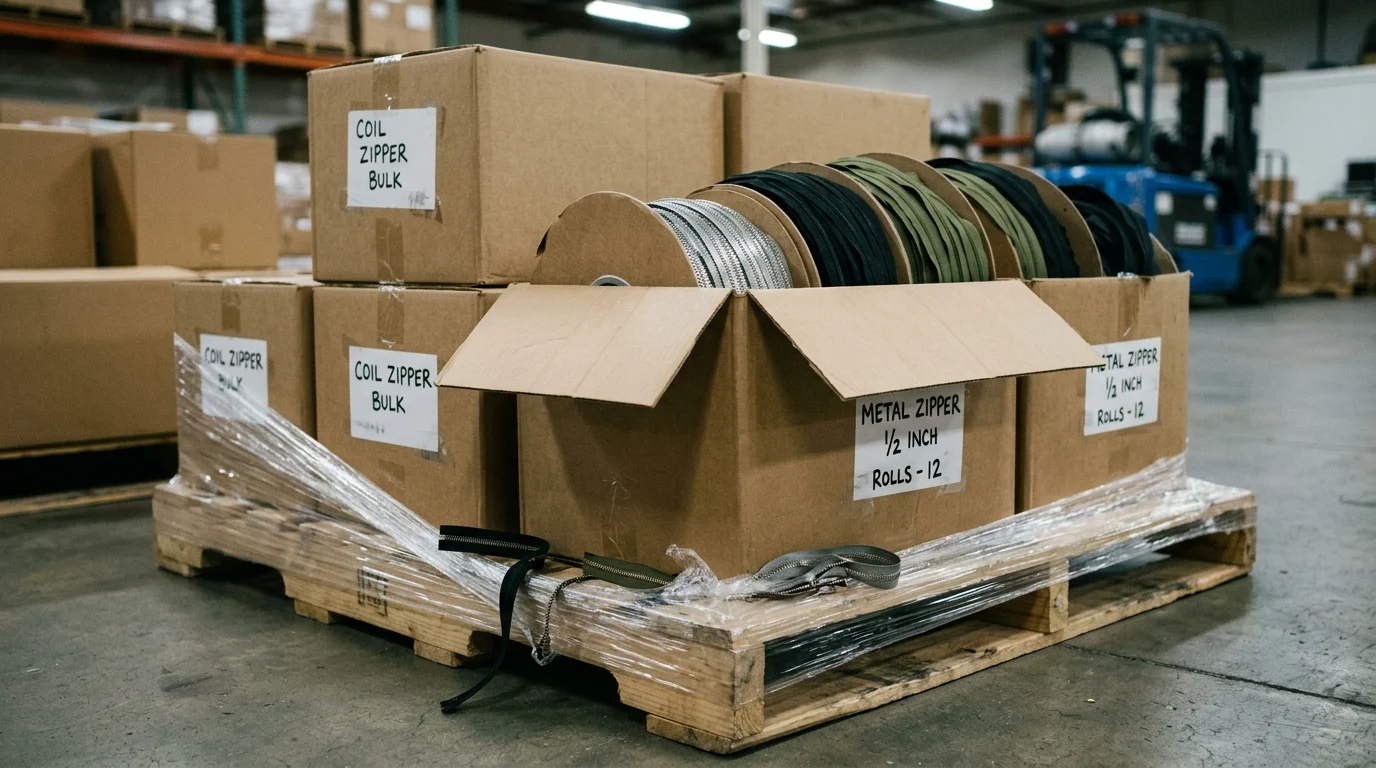
Understanding the structural differences between zipper types is essential for proper specification. Both types share a basic anatomy comprising tape, teeth (or elements), and a slider, but their manufacturing processes and raw materials diverge significantly.
How coil zippers are constructed
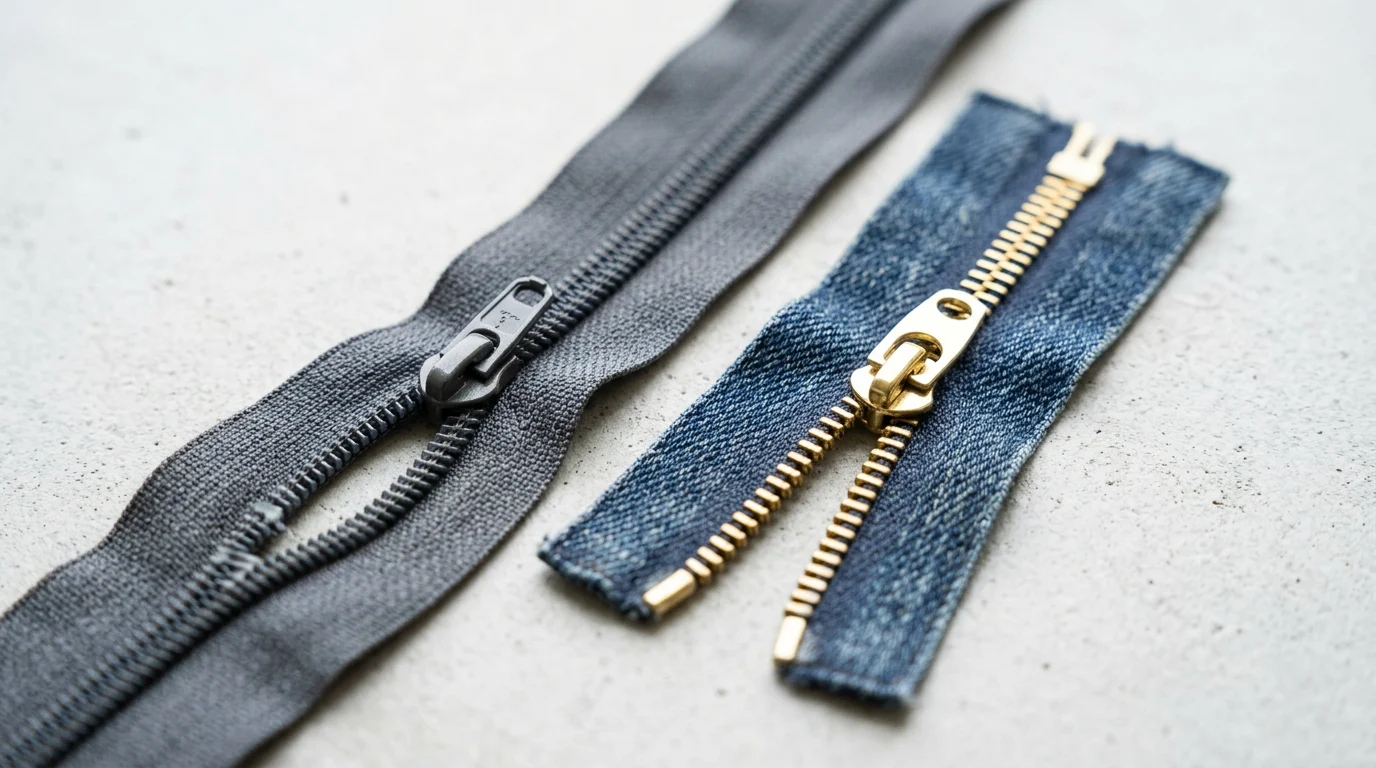
Coil zippers, frequently referred to in the industry as nylon zippers, are manufactured using extruded monofilament plastic—typically nylon or polyester. This monofilament is twisted into a continuous coil and either sewn directly onto a woven polyester tape or woven into the tape itself during production.
This continuous construction provides excellent horizontal flexibility and allows the zipper to self-repair if the teeth are temporarily misaligned. Standard coil zipper sizes range from a delicate #3 gauge used in interior bag pockets to a robust #10 gauge utilized in heavy-duty expedition duffels and luggage.
How metal zippers are constructed
Metal zippers feature individual teeth clamped onto the edge of the zipper tape at precise intervals. These teeth are stamped from wires of various metals, including brass, aluminum, nickel, or zinc alloys. Because each tooth is a discrete piece of solid metal, the resulting zipper is highly rigid.
Due to the density of the materials used, a standard metal zipper can weigh up to 40% more than a coil zipper of the exact same length and gauge. The mechanical clamping process creates a highly secure interlocking mechanism that resists vertical pull forces, though it inherently lacks the horizontal pliability found in continuous coil designs.
Performance Differences Between Coil and Metal Zippers
Selecting the correct hardware requires analyzing quantitative performance metrics alongside supply chain realities. Product developers must balance mechanical strength against procurement costs and lead times to maintain efficient production schedules.
Key factors: strength, flexibility, weight, and corrosion resistance
Coil zippers excel in crosswise strength and flexibility, allowing them to navigate tight corners on backpacks without binding. Metal zippers offer exceptional vertical pull strength but are susceptible to oxidation if not properly plated or treated.
| Feature | Coil Zipper (#5) | Metal Zipper (#5 Brass) |
|---|---|---|
| Crosswise Strength | ~400 Newtons | ~300 Newtons |
| Weight per Meter | ~15 grams | ~25 grams |
| Flexibility | High (bends easily) | Low (rigid) |
| Corrosion Resistance | Excellent (plastic) | Variable (requires plating) |
Cost, MOQ, and lead time differences
Supply chain metrics also vary drastically between the two categories. Coil zippers are highly commoditized and faster to produce, resulting in lower costs ranging from $0.10 to $0.30 per meter. Minimum Order Quantities (MOQs) for standard coil zippers often start around 1,000 meters, with lead times of 7 to 10 days.
Metal zippers require more complex manufacturing steps and volatile raw materials (like copper and zinc), pushing costs to an average of $0.50 to $1.50 per meter. Additionally, metal zipper MOQs typically start at 3,000 meters to justify the setup costs, and lead times can extend to 15-20 days.
Best zipper types for different bag categories
Technical daypacks, hydration packs, and soft-sided luggage almost exclusively utilize #5 or #8 coil zippers due to their weight-saving properties and superior cornering ability. Smooth operation around curves is critical for these designs.
Conversely, structured briefcases, luxury leather handbags, and heritage canvas weekenders favor metal zippers. These categories prioritize the premium tactile feel and visual weight of metal, compensating for the higher cost and lower flexibility since the zipper paths on these bags are usually straight.
Sourcing, Quality Control, and Compliance
Consistent quality and regulatory compliance are non-negotiable when sourcing hardware for global markets. Partnering with the right manufacturer ensures that zippers do not become the weak link in the product lifecycle. To understand a supplier’s capabilities and commitment to quality, product managers should review their background, certifications, and about us documentation.
How to evaluate zipper suppliers
Evaluating zipper suppliers requires auditing their production capacity, quality management systems (such as ISO 9001), and historical defect rates. A reliable, industrial-scale supplier should maintain a defect rate of less than 1% across bulk orders.
Buyers should request samples from standard production runs rather than specialized prototypes to gauge true manufacturing consistency. It is also vital to assess the supplier’s tape dyeing capabilities to ensure colorfastness and exact Pantone matching for custom bag designs.
Useful testing and inspection checkpoints
Rigorous testing protocols prevent field failures and costly returns. The reciprocating test is the industry standard for durability, measuring how many times a zipper can be opened and closed under tension before failure. High-quality zippers should withstand a minimum of 5,000 to 10,000 cycles.
Additionally, torque testing on the slider pull-tab is essential. A standard #5 zipper slider should resist at least 15 to 20 lbs of pulling force without snapping or detaching from the zipper body, ensuring the hardware will survive aggressive consumer use.
Relevant regulatory and market requirements
Hardware must comply with international safety and environmental regulations, particularly regarding heavy metals and toxic chemicals. This is especially critical for metal zippers, which can contain trace amounts of restricted substances if sourced from unverified foundries.
| Regulation / Standard | Requirement Threshold | Primary Application |
|---|---|---|
| CPSIA (United States) | Lead content < 90 ppm | Children’s bags and backpacks |
| REACH (European Union) | Strict limits on Nickel release | Bags with prolonged skin contact |
| Oeko-Tex Standard 100 | Free of harmful substances | General textile and hardware safety |
Failure to meet these thresholds can result in customs seizures, brand damage, or costly product recalls. Manufacturers must provide valid testing certificates for every hardware batch.
How to Choose the Right Zipper for Your Bag
The final specification process synthesizes technical requirements, budgetary constraints, and brand identity. Reaching out to suppliers through a contact us portal with clear, numerically defined specifications accelerates the sampling phase and prevents misunderstandings.
A practical decision framework for product teams
When selecting closures, first determine the maximum hardware budget; if total zippers must remain below 5% of the total BOM, coil is usually the only viable option for large bags. Second, assess the bag’s structural architecture. If the zipper path includes angles sharper than 45 degrees, coil zippers are mandatory to prevent slider derailment.
Third, consider the load-bearing requirements. A 50-liter expedition backpack requires the burst strength of a #8 or #10 coil zipper to handle overstuffing. In contrast, a rigid 15-liter leather briefcase is perfectly served by a #5 metal zipper, which provides adequate strength and a premium finish. By matching these numeric thresholds and mechanical realities to the bag’s intended use, designers can specify hardware that guarantees both aesthetic appeal and long-term reliability.
Further reading:
Key Takeaways
- The most important conclusions and rationale for Coil Zippers vs Metal Zippers
- Specs, compliance, and risk checks worth validating before you commit
- Practical next steps and caveats readers can apply immediately
Frequently Asked Questions
Which zipper is better for everyday backpacks?
Coil zippers are usually better for backpacks because they are lighter, more flexible, and handle curved openings well.
When should I choose metal zippers for bags?
Choose metal zippers for leather bags, fashion totes, or premium lines where weight is less critical and a classic look adds value.
Are coil zippers durable enough for heavy-use bags?
Yes. Properly specified coil zippers, such as #5 or #8, work well for many backpacks and luggage styles while resisting misalignment.
Do metal zippers rust or corrode on bags?
They can if the finish is poor or conditions are harsh. Use plated or treated metal zippers for better corrosion resistance.
How do coil and metal zippers affect bag manufacturing costs?
Coil zippers usually cost less, have lower MOQs, and shorter lead times, making them easier for cost-efficient bag production.


