
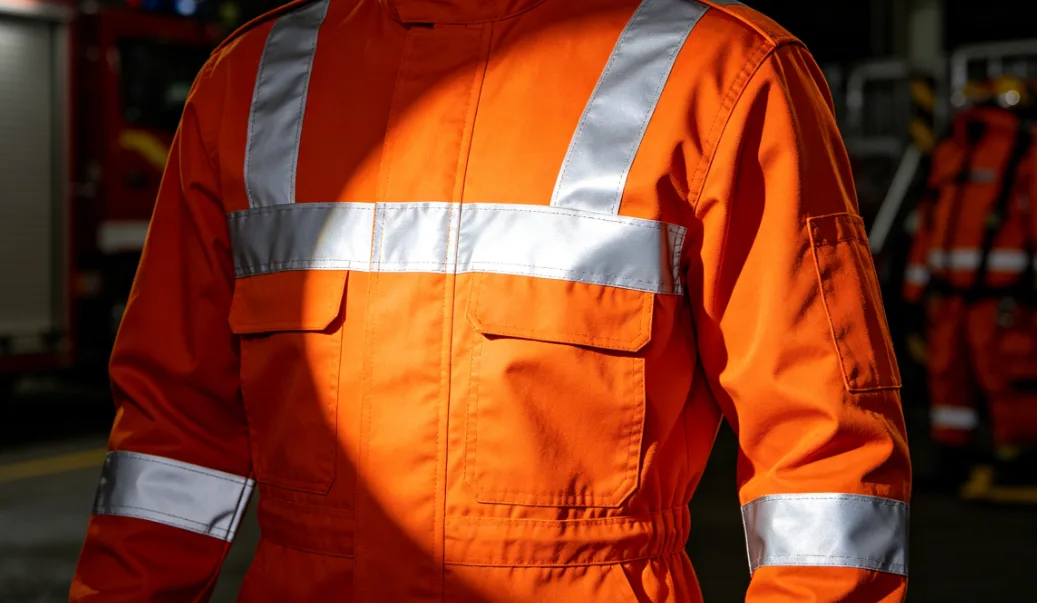
Best Reflective Materials for Emergency Rescue Safety Uniforms
Emergency rescue teams operate in some of the most hazardous environments, where visibility directly affects worker safety. Choosing the best reflective materials for emergency rescue safety uniforms helps ensure responders remain visible during night operations, severe weather, traffic incidents, and disaster response missions. The most effective solutions combine high retroreflectivity, durability, flame resistance, and long-term wash performance.
Why Reflective Materials Matter in Emergency Rescue Safety Uniforms
High visibility is a critical safety requirement for firefighters, paramedics, search-and-rescue personnel, and disaster response teams.
Emergency responders frequently work in conditions involving:
- Low-light environments
- Heavy rain and fog
- Roadside traffic hazards
- Industrial accidents
- Wildfire and rescue operations
Reflective materials improve visibility by returning light back toward its source, allowing vehicle operators and team members to identify personnel from greater distances. Modern retroreflective technologies significantly reduce accident risks in emergency environments. According to the U.S. Occupational Safety and Health Administration (OSHA), high-visibility apparel is an essential component of worker protection programs in hazardous environments.
External Reference:
- OSHA High Visibility Guidance: OSHA Worker Visibility Resources
- ANSI/ISEA 107 Standard: ANSI High-Visibility Safety Apparel Standard
Key Performance Requirements for Reflective Materials
The best reflective material for rescue uniforms must satisfy several technical requirements simultaneously.
| Requirement | Importance for Rescue Operations |
|---|---|
| Retroreflectivity | Maximum visibility at long distances |
| Flame Resistance | Protection in fire-related incidents |
| Weather Resistance | Performance in rain, snow, and humidity |
| Wash Durability | Maintains visibility after repeated laundering |
| Flexibility | Comfort during prolonged wear |
| Tear Resistance | Withstands harsh working conditions |
Emergency service organizations typically prioritize materials that maintain reflective performance after repeated industrial washing cycles.
Reflective Tape: The Most Common Choice for Emergency Uniforms
Reflective tape remains the industry standard for emergency rescue garments.
High-performance reflective tape offers excellent retroreflection while allowing easy integration into jackets, trousers, and protective suits.
Benefits include:
- High brightness under headlights
- Strong wash durability
- Cost-effective implementation
- Compliance with international visibility standards
Modern rescue uniforms often incorporate industrial-grade reflective tape positioned around the torso, arms, and legs to create 360-degree visibility.
Recommended internal reference:
TRAMIGO’s reflective tape solutions include polyester, TC, PVC, and flame-retardant variants designed for professional safety applications.(tramigo)

Flame-Retardant Reflective Tape for Fire and Rescue Operations
Flame-retardant reflective tape provides both visibility and thermal protection.
Firefighters and industrial rescue teams face environments where conventional reflective materials may degrade under extreme temperatures.
Common materials include:
- Aramid reflective tape
- Flame-retardant polyester tape
- Heat-resistant retroreflective trims
Comparison of Standard vs Flame-Retardant Reflective Tape
| Feature | Standard Reflective Tape | Flame-Retardant Reflective Tape |
|---|---|---|
| Visibility | High | High |
| Heat Resistance | Moderate | Excellent |
| Fire Protection | Limited | High |
| Cost | Lower | Higher |
| Fire Rescue Suitability | Fair | Excellent |
For structural firefighting uniforms, flame-resistant reflective trims are typically preferred.
External Reference:
Reflective Webbing for Tactical Rescue Gear
Reflective webbing improves visibility while maintaining structural strength.
Unlike standard reflective tape, reflective webbing can function as both a safety feature and a load-bearing component.
Applications include:
- Rescue harnesses
- Tactical backpacks
- Medical equipment bags
- Search-and-rescue vests
Advantages include:
- Excellent abrasion resistance
- High tensile strength
- Long service life
- Flexible integration into gear systems
Recommended internal reference:
Reflective webbing products are commonly used in emergency equipment requiring both visibility and durability.(tramigo)
Reflective Heat Transfer Vinyl for Lightweight Rescue Apparel
Reflective heat transfer vinyl (HTV) offers a lightweight alternative to sewn reflective trims.
Many emergency medical services (EMS) uniforms use reflective HTV because it reduces garment weight while maintaining visibility.
Key benefits:
- Lightweight construction
- Smooth garment appearance
- Custom logo application
- High flexibility
Heat transfer reflective materials are commonly applied to:
- EMS jackets
- Rescue polo shirts
- Incident command apparel
- Emergency response uniforms
Recommended internal reference:
This technology is particularly useful when agencies require customized reflective markings without adding bulk.(tramigo)
Reflective Piping for Enhanced 360-Degree Visibility
Reflective piping improves visibility from multiple viewing angles.
While reflective tape provides large reflective surfaces, reflective piping highlights garment contours and body movement.
Common placement areas include:
- Jacket seams
- Trouser legs
- Shoulder lines
- Backpack edges
Benefits:
- Increased side visibility
- Better recognition of body motion
- Lightweight integration
- Professional garment appearance
Recommended internal reference:
Many rescue apparel manufacturers combine reflective piping with wider reflective tape sections to maximize visibility.
Safety Vests with Integrated Reflective Materials
Safety vests remain essential for rapid deployment emergency operations.
Temporary rescue operations often require personnel from multiple agencies to work together. Reflective safety vests provide immediate visibility without replacing existing uniforms.
Typical use cases include:
- Roadside accident response
- Disaster relief operations
- Search-and-rescue missions
- Event emergency services
Recommended internal reference:
High-visibility safety vests often incorporate reflective tape, reflective webbing, and fluorescent background materials for enhanced conspicuity.(tramigo)
Best Reflective Material Selection Guide for Emergency Rescue Uniforms
The optimal reflective solution depends on the operational environment.
| Rescue Application | Recommended Material |
|---|---|
| Fire Rescue | Flame-Retardant Reflective Tape |
| EMS Operations | Reflective Heat Transfer Vinyl |
| Search & Rescue | Reflective Webbing |
| Disaster Response | High-Visibility Reflective Tape |
| Roadside Emergency Services | Reflective Tape + Safety Vest |
| Tactical Rescue Equipment | Reflective Webbing & Piping |
A combination approach often delivers the best results. Many professional rescue uniforms integrate reflective tape, piping, and webbing to achieve comprehensive visibility coverage.
Conclusion
The best reflective materials for emergency rescue safety uniforms combine visibility, durability, and environmental resistance. Reflective tape remains the most widely adopted solution, while flame-retardant reflective tape serves fire rescue operations. Reflective webbing provides structural strength for rescue equipment, reflective heat transfer vinyl supports lightweight garments, and reflective piping enhances visibility from multiple angles. Selecting materials according to operational risks helps improve responder safety and long-term garment performance.
Frequently Asked Questions
1. What reflective material is most commonly used in emergency rescue uniforms?
Reflective tape is the most commonly used material because it offers excellent retroreflective performance, high durability, and compliance with international visibility standards. It can be sewn onto jackets, trousers, and safety vests while maintaining long-term visibility.
2. Are flame-retardant reflective tapes necessary for all rescue teams?
No. Flame-retardant reflective tape is primarily recommended for firefighters, industrial emergency responders, and personnel exposed to heat or flame hazards. Standard reflective tape is generally sufficient for EMS and roadside assistance operations.
3. How long do reflective materials remain effective?
Performance depends on material quality, washing frequency, and environmental exposure. High-quality reflective materials can maintain acceptable retroreflective performance for years when properly maintained and used according to manufacturer guidelines.
4. What is the difference between reflective webbing and reflective tape?
Reflective tape is primarily designed to improve visibility, while reflective webbing combines visibility with load-bearing strength. Reflective webbing is often used in rescue harnesses, tactical gear, and equipment straps.
5. Can reflective heat transfer vinyl replace reflective tape?
Reflective heat transfer vinyl can replace reflective tape in lightweight garments and customized uniform designs. However, industrial rescue uniforms often continue using sewn reflective tape because of its superior durability under heavy-duty working conditions.


