
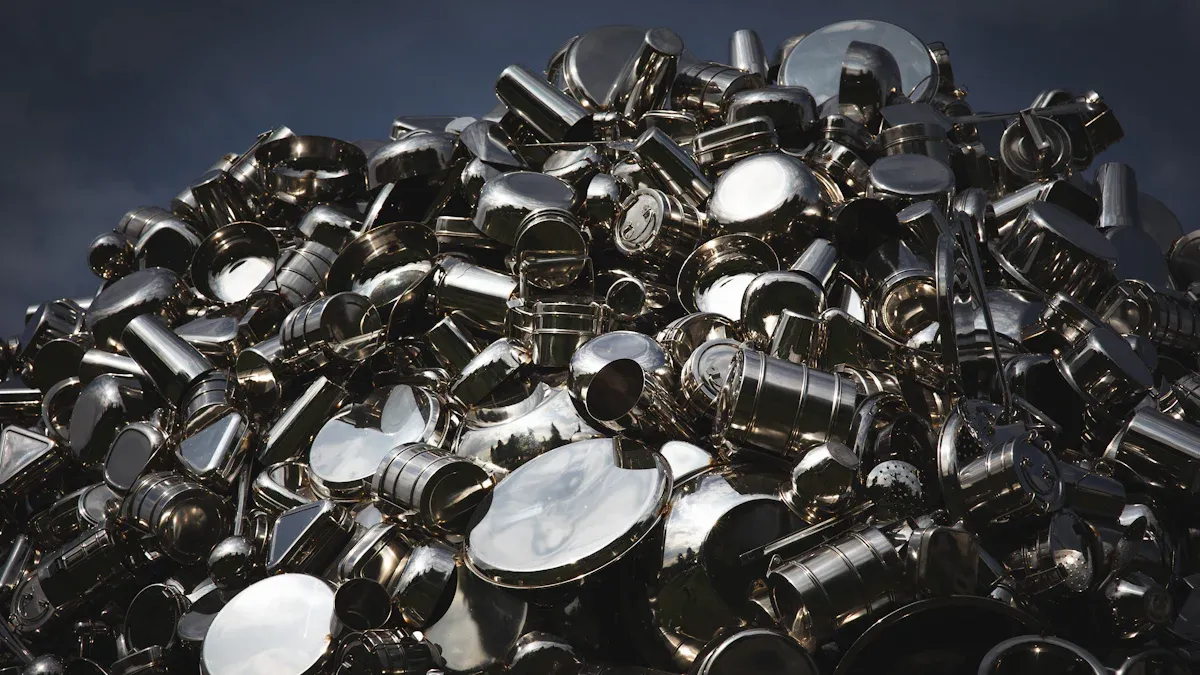
Metal snap buttons are essential in the production of denim and casual wear. Among the various options, antique metal snap buttons, smooth metal snap buttons, and brass metal snap buttons are particularly notable for their durability and aesthetic appeal. These custom logo metal snap buttons not only excel in quality but also withstand harsh conditions and frequent washing. Their reliability and style make them preferred choices over alternatives in casual garment production, especially when considering what metal snap buttons are rust-proof.
Key Takeaways
- Choose brass or stainless steel metal snap buttons for their durability and corrosion resistance, ideal for denim and casual wear.
- Match the snap button material to the fabric type to prevent damage and ensure longevity; use smaller sizes for lightweight fabrics and larger sizes for heavier materials.
- Consider the aesthetic appeal of metal snap buttons; customization options like finishes and logo embossing can enhance brand identity and garment style.
Types of Metal Snap Buttons
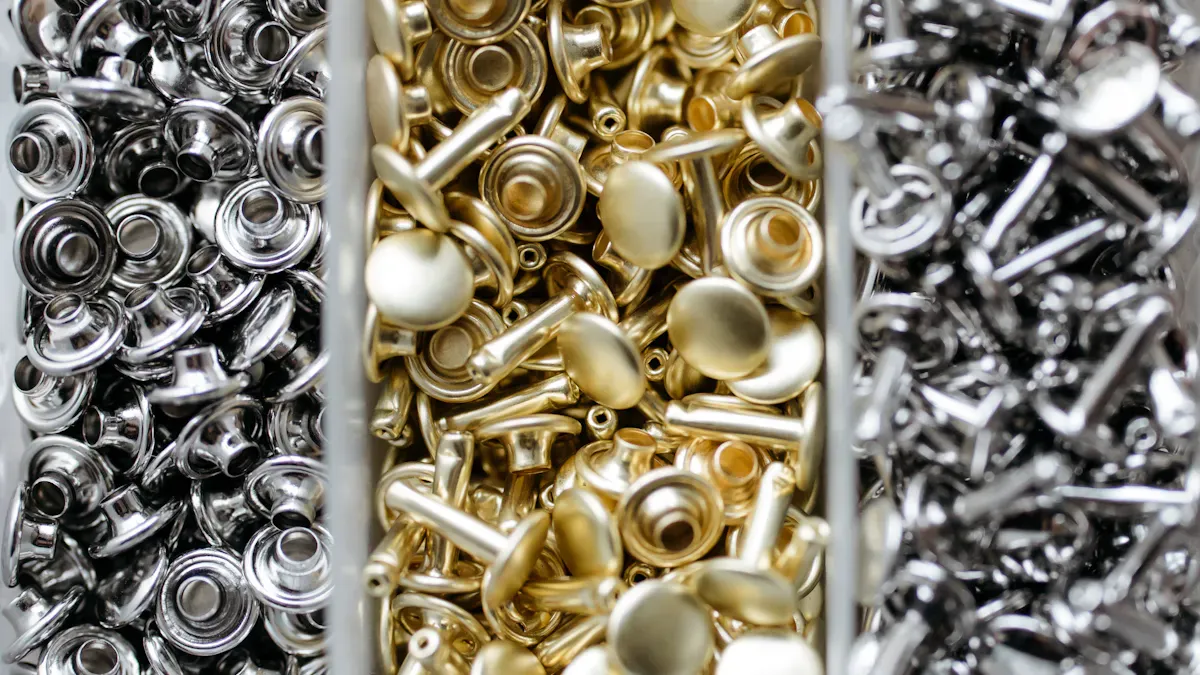
Metal snap buttons come in various types, each offering unique benefits for denim and casual wear production. The most common materials used for these buttons include brass, stainless steel, and alloy. Understanding the differences among these materials can help manufacturers make informed choices.
-
Brass Snap Buttons: Brass is a popular choice due to its durability and aesthetic appeal. These buttons can withstand washing, heat, and pressure, making them ideal for everyday wear. They also provide a premium appearance that enhances the overall look of garments. However, low-grade brass can corrode over time, especially in humid environments. Manufacturers should consider the quality of the brass used to ensure longevity.
-
Stainless Steel Snap Buttons: Stainless steel, particularly the 18-8 grade, is known for its exceptional corrosion resistance. This material features a chromium-rich passive layer that self-heals, protecting it from corrosive elements. Stainless steel buttons can last decades with minimal maintenance. They are also extremely durable, making them suitable for harsh conditions. However, like brass, low-grade stainless steel can corrode.
| Type of Snap Button | Advantages | Disadvantages |
|---|---|---|
| Brass | Extremely durable, withstands washing, heat, and pressure, offers a premium appearance, long lifespan | Can corrode if low-grade metal is used, heavier than plastic, may cause fabric tear on delicate materials |
| Stainless Steel | Extremely durable, withstands washing, heat, and pressure, offers a premium appearance, long lifespan | Can corrode if low-grade metal is used, heavier than plastic, may cause fabric tear on delicate materials |
- Alloy Snap Buttons: Alloy buttons combine various metals to enhance performance. They often provide a balance between durability and weight. Some alloys may outperform brass in terms of corrosion resistance, depending on their specific composition. Evaluating each alloy individually is crucial for manufacturers seeking the best option for their products.
Durability and Strength
Durability and strength are critical factors when selecting metal snap buttons for denim and casual wear. These buttons must withstand repeated stress and washing cycles without compromising their integrity. Metal snap buttons excel in this area, outperforming plastic alternatives significantly.
Research shows that metal snap buttons can survive an average of 22 to 30 wash cycles with proper care. In contrast, plastic snap buttons typically fail after just 4 to 8 cycles. This remarkable difference highlights the superior durability of metal options. Proper care includes fastening all closures before washing to prevent hardware damage.
The following table illustrates the performance of metal snap buttons compared to plastic snap buttons in various durability metrics:
| Feature | Metal Snap Buttons | Plastic Snap Buttons |
|---|---|---|
| Average wash-cycle survival | 22 to 30 cycles with proper care | 4 to 8 cycles, often failing before 6 |
| Heat tolerance | Withstands up to 60°C without deformation | Distorts above 40°C; softens in dryer |
| Rivet pull resistance | Retains ≥12 kg force after 20 washes | Drops to ≤3.5 kg after 5 washes |
| Corrosion risk | Low if plated; increases with saltwater | None, but prone to brittle fracture |
Metal snap buttons also endure mechanical stress better than their plastic counterparts. Controlled tests indicate that metal buttons maintain structural integrity through an average of 27 full wash cycles. In contrast, plastic buttons often fail around 6 cycles due to microfractures. This resilience makes metal snap buttons ideal for high-stress applications like denim.
Industry standards further support the durability of metal snap buttons. They are known for their strength and reliability, making them suitable for everyday use. Their resistance to wear, corrosion, and environmental stress enhances their longevity. The following table summarizes key features of metal snap buttons that contribute to their durability:
| Feature | Description |
|---|---|
| Versatility | Metal snap buttons are used across various industries, including casual wear. |
| Strength | Known for their strength and reliability, making them ideal for everyday use. |
| Resistance | They resist wear, corrosion, and environmental stress, enhancing their durability. |
| Applications | Suitable for both high-fashion apparel and rugged technical gear, demonstrating their versatility. |
| Aesthetic Appeal | Combine functionality with design flexibility, enhancing the visual character of products. |
Aesthetic Appeal
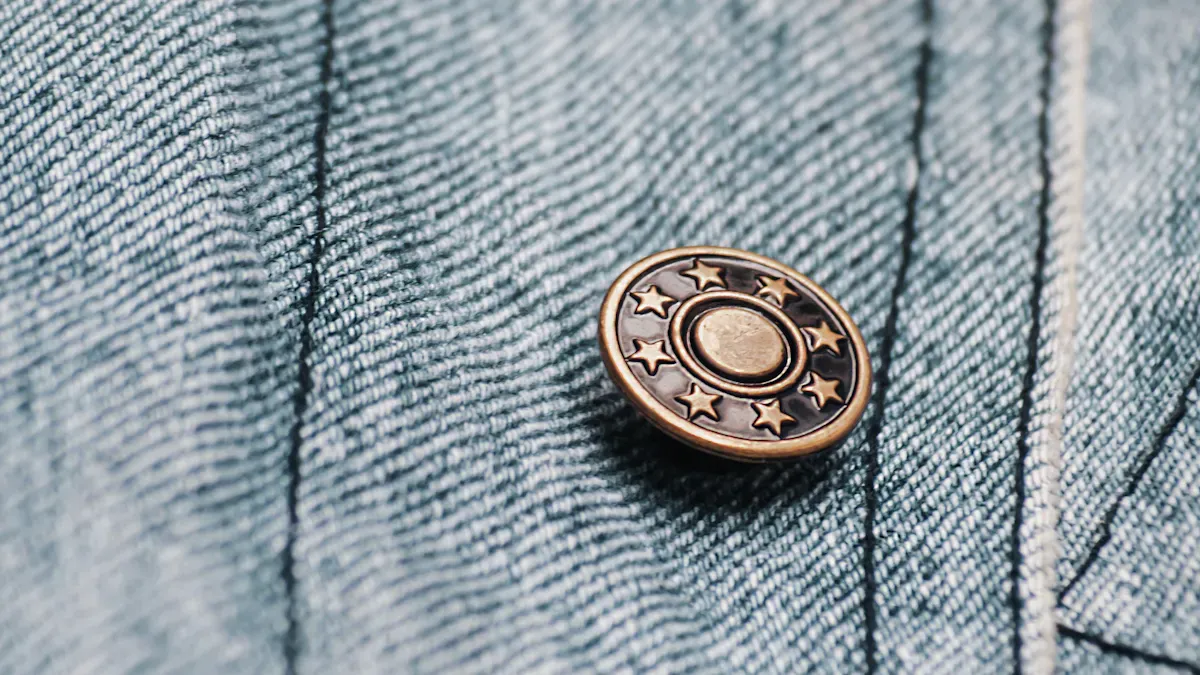
Metal snap buttons significantly enhance the visual appeal of denim and casual wear. Their designs contribute to the overall style of garments, making them not just functional but also fashionable. Different designs, such as stud buttons, add a rugged aesthetic that aligns with current fashion trends. This combination of durability and style makes metal snap buttons a preferred choice among manufacturers.
Manufacturers can select from various designs and finishes to match consumer preferences. The following table outlines some popular types of metal snap buttons and their aesthetic features:
| Type of Metal Snap | Design Features | Applications | Aesthetic Appeal |
|---|---|---|---|
| Round-Head | Rounded, prominent head for a decorative look | Jackets, coats, jeans | Adds a 3D effect and style |
| Oval-Type | Elongated shape for a unique touch | Vintage garments, fashion jackets | Provides an elegant and refined look |
Customization options further enhance the aesthetic appeal of these buttons. Available finishes include nickel, brass, matte, antique, and color-coated varieties. Brands can also opt for custom logo embossing, allowing them to create a unique identity for their products.
When selecting finishes, manufacturers consider several factors:
- Choose based on aesthetics: Fasteners can be functional and stylish, matching the design vision.
- Determine the right match for your fabric: Heavy fabrics require sturdy fasteners.
- Consider your target user: The choice of fastener should align with the audience’s interaction with the product.
These considerations ensure that metal snap buttons not only serve their purpose but also enhance the overall garment design.
Ease of Use
Metal snap buttons offer significant advantages in terms of ease of use during both production and daily wear. Their installation methods simplify the garment-making process, allowing manufacturers to choose between sew-on and no-sew options.
| Method Type | Description |
|---|---|
| Sew-on | Involves stitching snap components directly to fabric layers, ideal for delicate materials. Requires marking positions and using a needle and thread for secure attachment. |
| No-sew | Utilizes mechanical force to secure snaps without stitching, suitable for thicker fabrics. Methods include hammering or crimping the prongs after punching holes in the fabric. |
Garment workers often express a preference for metal snap buttons due to their speed and flexibility. For instance, snaps allow for quick dressing and undressing, enhancing usability in casual settings. They provide a secure closure that does not require precise alignment, making them ideal for various casual wear scenarios.
Feedback from workers indicates that while metal sew-on buttons are durable under tension, they require more labor to install. In contrast, snaps facilitate faster assembly, which is particularly beneficial for children’s clothing or adaptive wear where ease of use is critical.
- Metal sew-on buttons require a needle, strong thread, and multiple passes through the fabric, making them time-consuming to install.
- Snaps come in two types: sewn-in and prong-mounted, with prong-mounted snaps requiring specialized tools for installation.
Overall, the design of metal snap buttons not only enhances garment aesthetics but also aligns with current fashion trends that emphasize comfort and style.
Compatibility with Fabrics
Choosing the right metal snap buttons involves understanding their compatibility with different fabric types. The thickness and nature of the fabric significantly influence the selection process. For heavyweight denim fabrics, specific metal types excel in durability and performance.
| Metal Type | Durability Level | Best Use Cases |
|---|---|---|
| Brass | High | Everyday wear, premium denim |
| Stainless Steel | Very High | Heavy-duty denim, workwear, outdoor apparel |
| Steel (Heavy-duty) | High | Thick denim, high-stress areas |
| Copper | Moderate | Standard use, not for heavy fabrics |
Using metal snap buttons on lightweight or delicate fabrics can lead to issues. Poor fastening, fabric tearing, and early failure of the snap button often occur when the wrong type is used. Textile engineers recommend matching the snap material to the fabric type and intended use. For instance, plastic snaps are ideal for delicate fabrics like silk, while metal snaps suit heavy-duty materials such as denim and leather.
When selecting snap buttons, consider the following recommendations:
- Match snap material to the fabric type.
- Use smaller sizes (T5 or size 14-16) for lightweight fabrics.
- Opt for larger sizes (size 20-28) for heavier materials.
- Test installation methods on fabric swatches to prevent damage.
These guidelines ensure that manufacturers achieve both functionality and aesthetic appeal in their garments. Proper compatibility between metal snap buttons and fabrics enhances the overall quality and longevity of the finished product.
In summary, the best metal snap button materials for denim and casual wear include coated brass and stainless steel. These materials offer high durability, corrosion resistance, and aesthetic appeal.
When selecting buttons, manufacturers should:
- Match the button choice to the fabric type.
- Consider the garment style and intended use.
- Prioritize durability, aesthetics, and ease of use.
These factors ensure that metal snap buttons enhance the overall quality and longevity of denim garments.
FAQ
What are the best materials for metal snap buttons?
Brass and stainless steel are the top choices due to their durability and corrosion resistance.
How do I choose the right size of snap button?
Select smaller sizes for lightweight fabrics and larger sizes for heavier materials like denim.
Can metal snap buttons be customized?
Yes, manufacturers can customize metal snap buttons with various finishes and logo embossing for branding.


