
Introduction
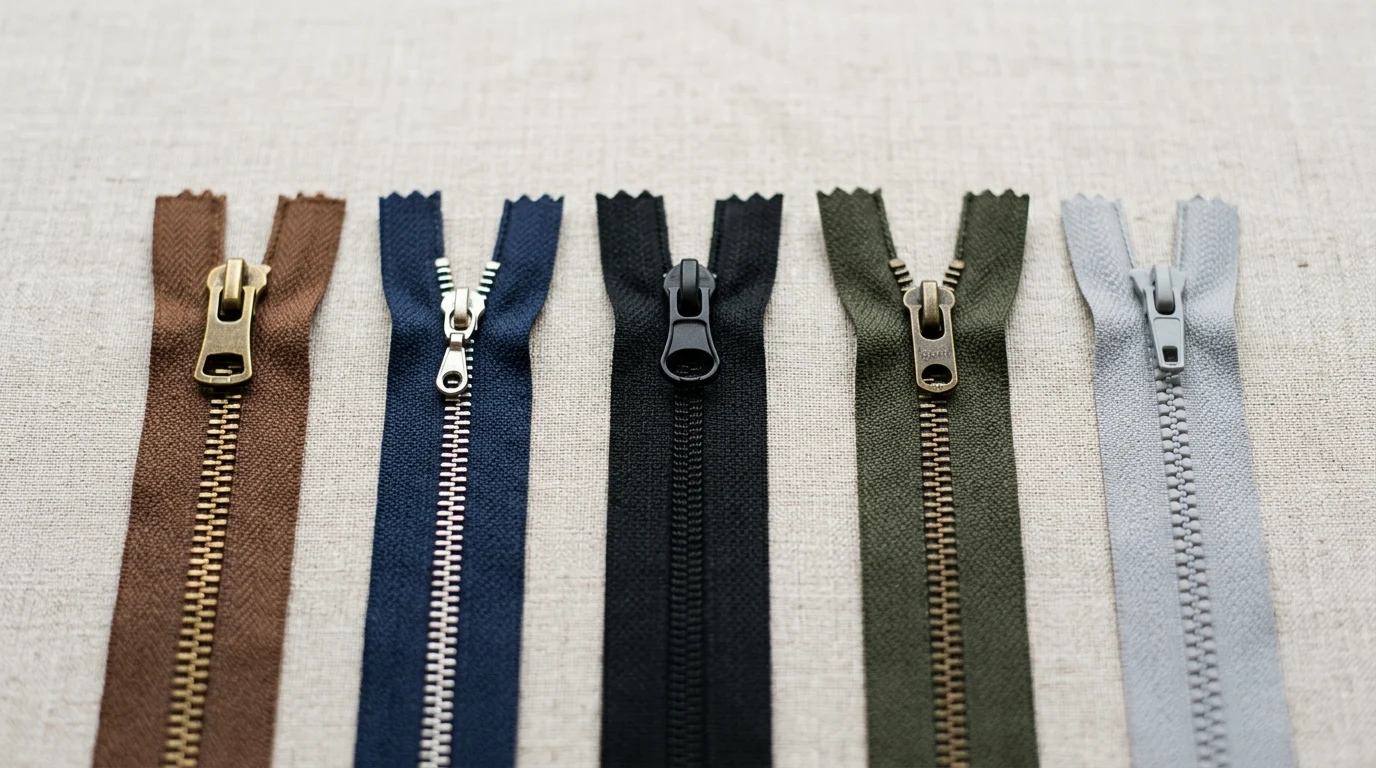
Choosing the right zipper is less about a small trim detail and more about how a garment looks, functions, and holds up over time. Different zipper types vary in strength, flexibility, finish, and cost, which makes them better suited to specific apparel categories, from lightweight dresses to heavy outerwear. This guide breaks down the main kinds of garment zippers beginners are likely to encounter, explains where each one works best, and highlights the practical trade-offs to consider before selecting one. With that foundation, the rest of the article will make it easier to compare options and understand why zipper choice matters in apparel production.
Why garment zippers matter in apparel performance and cost
Garment zippers are often viewed as minor hardware components, yet their impact on a product’s lifecycle is immense. Selecting the correct fastening mechanism dictates not only the aesthetic finish of a garment but also its functional lifespan and overall production budget.
How zippers affect durability, usability, and returns
Trim failures account for a disproportionate amount of apparel returns, with faulty zippers representing up to 60% of these hardware-related complaints. A broken slider or separated coil immediately renders a garment unwearable, severely damaging brand reputation. Durability relies on matching the zipper’s lateral strength and material composition to the garment’s intended use, ensuring it can withstand repeated stress, laundering, and environmental exposure without premature failure.
Why zipper selection is a strategic commercial decision
Beyond usability, zipper procurement is a critical factor in a brand’s margin strategy. The cost of a standard zipper can range from $0.15 for a basic nylon coil to over $1.50 for high-end, custom-finished metal variants. Multiplied across thousands of units, this variance significantly impacts the bottom line. Apparel manufacturers must align their trim sourcing with their overarching commercial goals, a philosophy emphasized by industry experts who understand the balance of cost and quality behind successful supply chains.
Main types of garment zippers and their applications
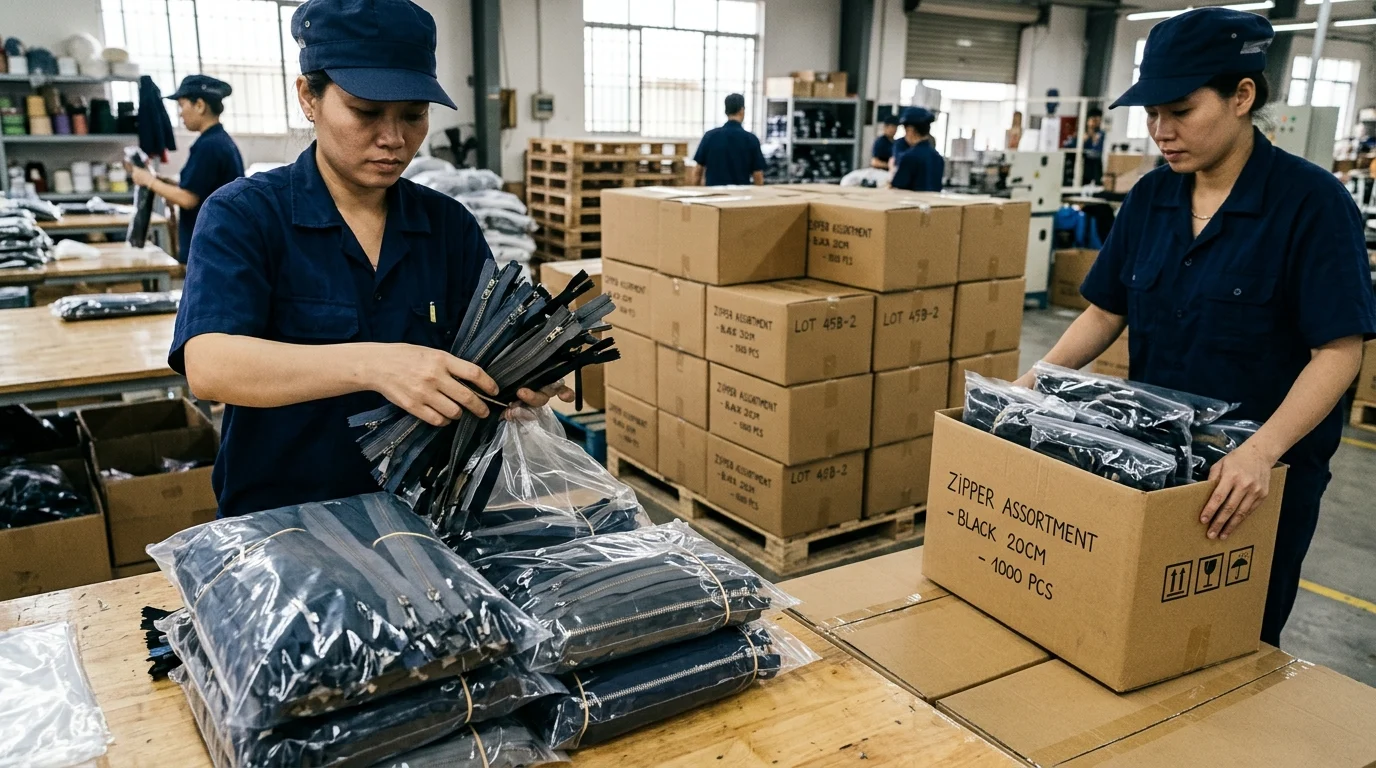
Understanding the primary categories of zippers is essential for effective garment design. Each type utilizes distinct materials and manufacturing processes tailored to specific end-uses, fabric weights, and environmental conditions.
Coil, molded plastic, and metal zippers
The apparel industry relies on three main zipper categories: coil, molded plastic, and metal. Coil zippers, made from continuous nylon monofilament, are highly flexible and ideal for lightweight fabrics. Molded plastic zippers feature individual polyacetal teeth injected directly onto the tape, offering excellent weather resistance for outerwear. Metal zippers, constructed with brass, aluminum, or nickel teeth, provide high durability and a classic aesthetic for denim and leather goods.
| Zipper Type | Primary Material | Ideal Garment Application | Relative Cost Index |
|---|---|---|---|
| Nylon Coil | Polyester/Nylon | Activewear, dresses, tents | Low |
| Molded Plastic | Polyacetal (POM) | Winter jackets, sportswear | Medium |
| Metal | Brass, Aluminum | Denim, leather jackets, workwear | High |
Functional zipper formats buyers should know
Zippers are manufactured in various functional formats to suit different garment openings. Closed-end zippers are used for trousers, skirts, and pockets where the two sides do not separate completely. Open-end (separating) zippers are essential for jackets and coats, allowing the left and right panels to detach entirely. Two-way zippers feature dual sliders, offering adjustable openings from both the top and bottom, which is a critical functional requirement for long parkas and heavy outerwear.
Key zipper components and specifications
A zipper’s specification is heavily defined by its gauge, which indicates the approximate width of the closed teeth in millimeters. Common sizes include #3 (ideal for delicate fabrics and concealed closures), #5 (the standard for jackets and casual wear), and #8 or #10 (used for heavy-duty applications). Buyers must also carefully specify the tape material, slider mechanism (such as auto-lock for vertical security or non-lock for pockets), and custom puller designs when exploring garment zippers for a new seasonal collection.
How to compare garment zippers
Comparing zippers requires a systematic evaluation of physical characteristics against the specific demands of the garment. Procurement teams must analyze functional metrics alongside aesthetic compatibility and long-term reliability.
Performance, aesthetics, and cost comparison points
Performance metrics are objectively measured using industry-standard tests, while aesthetics depend on finishes like plating or tape dyeing. Cost is heavily influenced by these structural choices, requiring buyers to weigh strength against unit price.
| Performance Metric | Nylon Coil (#5) | Molded Plastic (#5) | Metal (#5) |
|---|---|---|---|
| Lateral Strength | 30-40 kgf | 35-45 kgf | 45-55 kgf |
| Flexibility | Excellent | Moderate | Low |
| Weight | Light | Medium | Heavy |
How fabric, wash processes, and construction affect choice
The interaction between the zipper and the garment fabric is a critical comparison point. Heavy metal zippers can distort lightweight silk or chiffon, causing unsightly sagging and poor drape. Additionally, industrial wash processes dictate zipper selection. Enzyme or stone washes can severely degrade standard metal zipper finishes, requiring specialized chemical-resistant coatings. Tape shrinkage must also be evaluated; high-quality polyester tapes should exhibit a shrinkage rate of under 3% to prevent puckering after commercial laundering.
Common quality risks to evaluate
Quality risks vary significantly by zipper type and operating environment. Molded plastic zippers are susceptible to tooth breakage in extreme cold if the polymer blend is substandard. Metal zippers face the risk of slider derailment if the teeth are not perfectly stamped and polished during manufacturing. Across all types, color bleeding from the zipper tape onto the garment fabric is a severe defect. Buyers should mandate a colorfastness-to-washing rating of grade 4 or higher on a standard 5-point scale to mitigate this risk.
Sourcing, testing, and compliance checks
Securing high-quality trim components requires rigorous specification and testing protocols. Apparel brands must ensure that their zippers perform reliably in the field while meeting all regional regulatory standards.
How to specify zippers in tech packs
Vague specifications inevitably lead to production errors and assembly line delays. A technical package (tech pack) must detail the exact zipper requirements, including gauge size, precise length (e.g., 65 cm with a strict tolerance of +/- 0.5 cm), tooth finish, and Pantone color codes for the tape. Clear communication with suppliers is vital to avoid costly rework, making it essential to contact manufacturing partners early in the development phase to confirm technical feasibility and sampling.
Relevant laboratory and in-line tests
Standardized laboratory testing ensures production consistency across large orders. The ASTM D2061 standard outlines critical test methods for zippers, evaluating parameters such as crosswise strength, slider operating force, and pull-off strength. For instance, a standard #5 jacket zipper should withstand a pull-off force of at least 15 to 20 lb-in to ensure the puller does not detach during normal consumer use. In-line factory inspections should also verify smooth slider operation and proper top and bottom stop placement before garments are shipped.
Compliance and market requirements
Compliance with global chemical and safety regulations is non-negotiable for international apparel brands. Zippers must comply with REACH in the European Union and the CPSIA in the United States. For children’s wear, the CPSIA strictly limits total lead content in accessible parts to less than 90 parts per million (ppm). Furthermore, securing Oeko-Tex Standard 100 certification guarantees that the zipper components are free from harmful substances, a safety requirement increasingly demanded by conscious consumers and major retailers.
How to choose the right zipper for each garment
Navigating the complexities of zipper procurement culminates in a strategic selection process. Brands must balance technical garment requirements with the realities of global supply chain logistics.
A step-by-step zipper selection process
The selection process begins with a thorough analysis of the garment’s end-use environment. A professional ski jacket requires a water-resistant #5 or #7 molded plastic zipper to block moisture, while a formal evening dress necessitates a lightweight, concealed #3 nylon coil. Once the functional category is established, buyers select the appropriate slider type and finalize aesthetic details like tape color and puller branding. Prototyping is then required to test the zipper’s compatibility with the specific fabric weight, ensuring smooth operation without snagging.
Balancing minimum order quantities, lead times, and cost
Commercial viability depends on aligning the chosen zipper with production constraints and inventory planning. Custom-dyed tapes and branded pullers typically carry Minimum Order Quantities (MOQs) ranging from 1,000 to 3,000 pieces per color and size combination. Standard off-the-shelf zippers may have lower MOQs but offer less brand differentiation. Lead times are equally critical; custom zippers often require 3 to 5 weeks for production and international transit. Procurement teams must forecast accurately to ensure zipper deliveries synchronize perfectly with the broader garment manufacturing schedule.
Further reading:
Key Takeaways
- The most important conclusions and rationale for garment zippers
- Specs, compliance, and risk checks worth validating before you commit
- Practical next steps and caveats readers can apply immediately
Frequently Asked Questions
What type of garment zipper is best for lightweight clothing?
Nylon coil zippers are usually best for dresses, activewear, and lightweight fabrics because they are flexible, light, and cost-effective.
When should I use an open-end zipper instead of a closed-end zipper?
Use an open-end zipper for jackets and coats that fully separate. Use a closed-end zipper for trousers, skirts, and pockets.
Which zipper size is most common for everyday apparel?
#5 is the standard choice for jackets and casual wear. Use #3 for delicate or concealed closures, and #8 or #10 for heavy-duty garments.
Are metal zippers better than plastic or coil zippers?
Not always. Metal zippers are stronger and suit denim or leather, but they are heavier and cost more than coil or molded plastic options.
How can buyers reduce zipper-related returns?
Match zipper type, size, and slider to the garment’s fabric, stress level, and wash conditions, then source from reliable garment zipper suppliers such as those featured on TramigoBlog.


