
Introduction
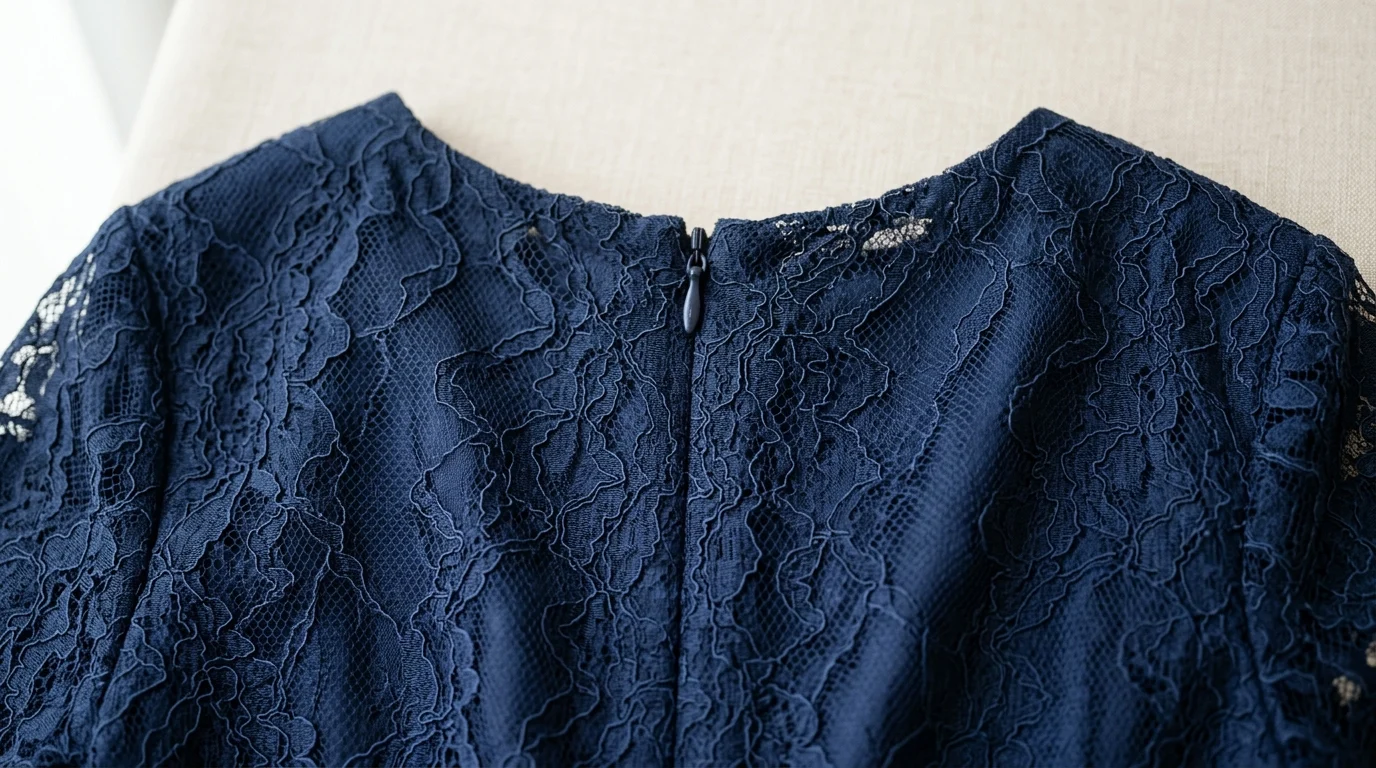
Invisible zippers have become a preferred closure in dressmaking because they solve a practical problem without disturbing the garment’s appearance. By hiding the zipper teeth within the seam, they preserve clean lines, uninterrupted prints, and a smoother silhouette than many traditional closures. This matters especially in dresses made from delicate, lightweight, or highly detailed fabrics, where visible hardware can distract from the design. In the sections that follow, you’ll see what defines an invisible zipper for dresses, why designers rely on it in modern fashion, and where it performs best in both aesthetic and construction terms.
Why Choose Invisible Zippers for Dresses
The integration of the invisible zipper for dresses has fundamentally shifted high-end garment construction, offering designers a mechanical closure that does not compromise a silhouette’s visual continuity.
Unlike traditional exposed closures, an invisible zipper conceals the teeth entirely within a standard 1.5mm to 2mm seam allowance, rendering the mechanism virtually undetectable from the garment’s exterior.
Benefits for garment appearance
By eliminating the need for bulky plackets, topstitching, or lapped seams, these zippers allow fabric patterns to align flawlessly. This uninterrupted visual flow is critical for garments featuring complex prints, horizontal stripes, or delicate lace overlays where a visible zipper tape would disrupt the design.
Furthermore, the absence of exterior stitching reduces visual clutter, allowing the garment’s architectural lines and the fabric’s inherent texture to serve as the primary focal points.
Best-fit product categories and markets
While ubiquitous across various fashion segments, invisible zippers are particularly dominant in evening wear, bridal gowns, and high-end ready-to-wear collections. Industry analyses indicate that over 85% of luxury silk and chiffon dresses utilize concealed closures to maintain silhouette integrity.
Beyond formalwear, premium tailored womenswear and lightweight summer dresses frequently incorporate these components to achieve a refined, minimalist aesthetic that consumers increasingly demand.
What Defines an Invisible Zipper for Dresses
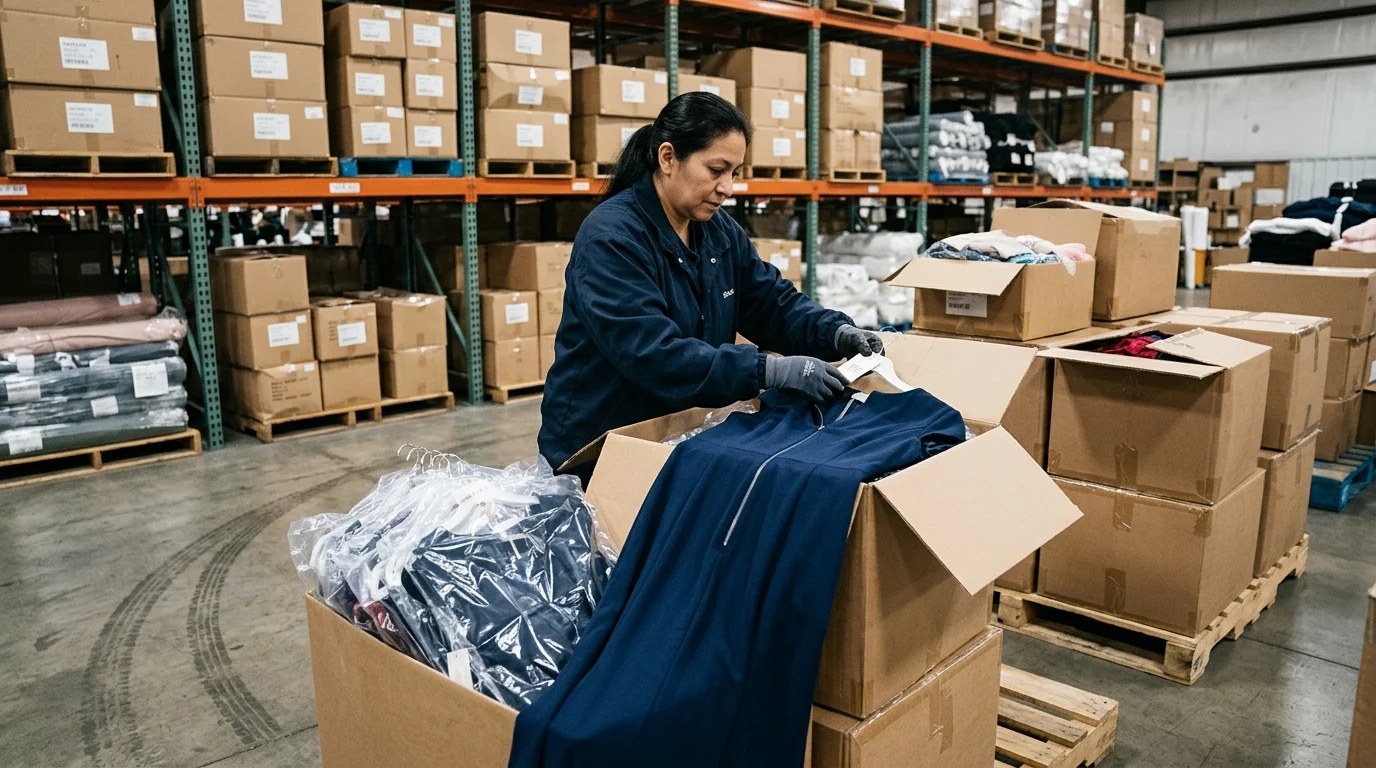
The defining characteristic of an invisible zipper for dresses lies in its inverted structural engineering. Unlike standard coil zippers where the teeth face outward, invisible zippers feature coil elements sewn onto the back of the tape, causing them to roll inward when the slider engages.
Standard specifications typically involve a 22mm or 25mm tape width paired with #2 or #3 nylon coil teeth, providing an optimal balance between concealment and structural integrity.
Key materials and construction features
The primary components include a woven or knitted polyester tape, monofilament nylon coils, and a specialized teardrop slider designed to glide smoothly over the inverted teeth without snagging the adjacent fabric.
Knitted tapes are often preferred for lightweight fabrics due to their superior lateral flexibility, while woven tapes offer enhanced stability for heavier textiles. Designers evaluating these materials can explore various product lines to match specific fabric weights and drape requirements.
Performance and design comparison
When comparing closure options, invisible zippers prioritize aesthetic concealment over maximum tensile strength. The following table outlines standard performance metrics across common dress zipper categories:
| Zipper Type | Standard Size | Visibility | Lateral Strength (kgf) | Optimal Fabric Weight |
|---|---|---|---|---|
| Invisible Coil | #3 | Concealed | 25 – 30 | Light to Medium |
| Standard Coil | #3 | Visible Tape/Teeth | 35 – 40 | Medium to Heavy |
| Metal Zipper | #4 | Highly Visible | 45 – 50 | Heavy (Denim/Leather) |
While invisible zippers exhibit lower lateral strength compared to metal alternatives, their flexibility and low profile make them superior for garments where drape and seamlessness are paramount.
Why Designers and Manufacturers Prefer Invisible Zippers
Manufacturers and pattern makers consistently specify the invisible zipper for dresses to achieve a superior balance of form and function. The component’s unique architecture solves several persistent challenges in garment engineering.
By maintaining a continuous tension of less than 15 grams per centimeter along the seam line, these zippers significantly reduce fabric puckering, a common defect encountered when applying standard rigid zippers to bias-cut garments.
Impact on drape and fit
The flexibility of the nylon coil and polyester tape allows the zipper to contour naturally with the human body. This flexibility is vital for bias-cut fabrics, such as silk charmeuse or georgette, which must drape fluidly over the hips and lower back.
Because the zipper tape does not require rigid interfacing or topstitching to secure a placket, the side or back seam retains its natural bias stretch, preventing the stiff, undulating wave effect that often ruins the fit of delicate dresses.
Production trade-offs in sewing and pattern making
Implementing invisible zippers requires specific production adjustments. Sewing facilities must utilize specialized grooved presser feet that unroll the zipper teeth just before the needle penetrates the tape, allowing the stitch to sit as close to the coil as possible.
While this precision operation can increase the initial zipper installation time by approximately 15% to 20% compared to standard lapped applications, it simultaneously eliminates the secondary operations of edge finishing and topstitching. This trade-off ultimately streamlines the finishing phase and reduces the risk of visible stitching errors.
How to Source and Evaluate Invisible Zippers
Procuring a high-quality invisible zipper for dresses is critical, as a mechanical failure in a concealed closure is notoriously difficult to repair and often results in total garment rejection.
Standard industry minimum order quantities (MOQs) for custom dye-to-match (DTM) invisible zippers typically range from 1,000 to 5,000 pieces per color lot, necessitating accurate demand forecasting.
Supplier selection criteria
When evaluating partners, buyers must assess custom color matching accuracy, dye lot consistency, and tape shrinkage rates during commercial laundering or dry cleaning. A colorfastness rating of 4.0 or higher is mandatory to prevent dye migration onto light-colored dress fabrics.
Furthermore, evaluating a vendor’s supplier capabilities ensures they can meet stringent lead times, which typically span 3 to 5 weeks for custom-dyed production runs.
Testing, compliance, and inspection points
Rigorous physical testing and regulatory compliance are non-negotiable. Zippers must comply with global standards such as Oeko-Tex Standard 100 to ensure the absence of harmful substances, particularly lead in the slider components.
Quality control inspections should verify specific mechanical thresholds prior to assembly. Critical inspection points are detailed below:
| Inspection Point | Testing Standard | Minimum Acceptable Threshold | Potential Failure Mode |
|---|---|---|---|
| Crosswise Strength | EN 16732 | > 250 N | Seam bursting under stress |
| Slider Operating Force | EN 16732 | < 3 N | Snagging or fabric catching |
| Slider Lock Strength | EN 16732 | > 20 N | Unintended unzipping |
How to Decide When to Use Invisible Zippers
Determining whether an invisible zipper for dresses is the optimal closure requires analyzing the garment’s structural demands against its target manufacturing budget.
From a cost perspective, custom DTM invisible zippers generally fall within a price band of $0.15 to $0.45 per unit, depending on the required length (typically 20cm to 60cm) and slider finishes, making them highly cost-effective for premium apparel.
How to choose zipper length and placement
Selecting the correct length and placement dictates both functionality and aesthetic success. Center back placements generally require longer zippers, standardizing around 55cm to 60cm, to allow the wearer to step into the dress easily.
Side seam placements typically utilize 35cm to 40cm lengths, terminating just below the hip line. Crucially, invisible zippers should not bear the primary structural load at the waistline; designers must incorporate a hook-and-eye closure at the top of the zipper tape to bridge high-tension areas and prevent slider blowout.
Balancing appearance, durability, and cost
The final specification decision is an exercise in balancing concealment against mechanical durability. While the seamless look is highly desirable, garments intended for rigorous wear or those featuring heavy, highly structured fabrics may overwhelm the delicate #2 or #3 coil of an invisible zipper.
In high-stress applications like corsetry or heavy beaded gowns, designers must weigh the aesthetic benefit of an invisible closure against the risk of field failure. For specialized project requirements or custom engineering solutions, seeking technical consultation can help manufacturers identify the precise closure system that satisfies both design intent and lifecycle durability.
Further reading:
Key Takeaways
- The most important conclusions and rationale for invisible zipper for dresses
- Specs, compliance, and risk checks worth validating before you commit
- Practical next steps and caveats readers can apply immediately
Frequently Asked Questions
Why are invisible zippers preferred for dresses?
They keep the closure hidden, preserve clean lines, and reduce visual clutter, making them ideal for eveningwear, bridal gowns, and premium dresses.
What zipper size is commonly used for dresses?
Most dress applications use #2 or #3 nylon coil invisible zippers with 22mm or 25mm tape, depending on fabric weight and seam stability.
Which fabrics work best with an invisible zipper?
Light to medium fabrics like silk, chiffon, georgette, and lightweight cotton work best because invisible zippers flex well and support smooth drape.
Are invisible zippers strong enough for all garments?
They are best for dresses and refined apparel, but not ideal for heavy fabrics like denim or leather, where stronger standard or metal zippers perform better.
Where can I compare invisible zipper options for dresses?
You can review dress zipper product lines and material options on Tramigo Blog’s product pages to match tape type and coil size to your fabric.


