
Beginner’s Guide to Reflective Heat Transfer Vinyl for Apparel
Reflective Heat Transfer Vinyl (Reflective HTV) is one of the most practical materials for adding visibility, branding, and decorative effects to garments. For beginners in apparel customization, understanding how reflective heat transfer vinyl works helps improve design quality, durability, and wearer safety.
Reflective HTV is widely used in sportswear, workwear, safety clothing, fashion garments, and promotional apparel because it combines customization flexibility with enhanced nighttime visibility. According to industry sources, modern reflective HTV materials utilize micro glass bead or retroreflective technologies that return light toward its source, making garments more noticeable in low-light environments. (CHINASTARS)
What Is Reflective Heat Transfer Vinyl?
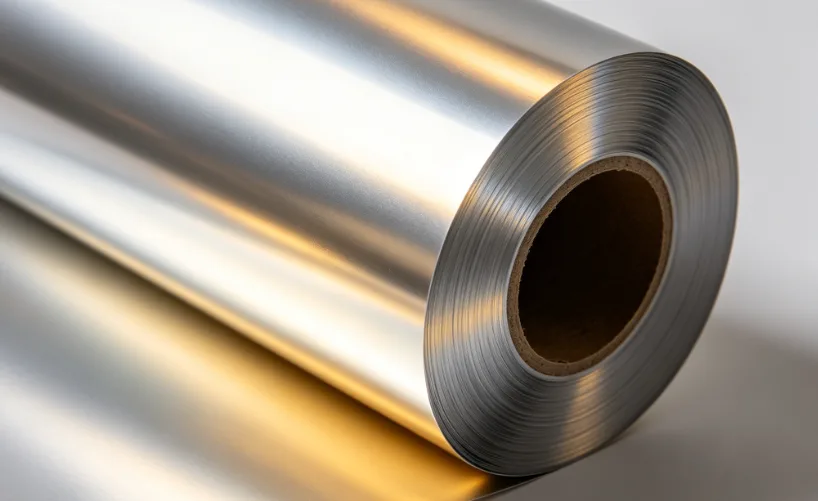
Reflective Heat Transfer Vinyl is a heat-applied film containing reflective elements that bond to textiles through heat and pressure.
Unlike sewn reflective trims, reflective HTV creates a smooth surface without stitching. The material typically consists of:
- Protective PET carrier film
- Reflective layer with glass beads or reflective particles
- Heat-activated adhesive layer
When exposed to headlights, flashlights, or other light sources, the reflective layer redirects light back toward the source, increasing visibility. (CHINASTARS)
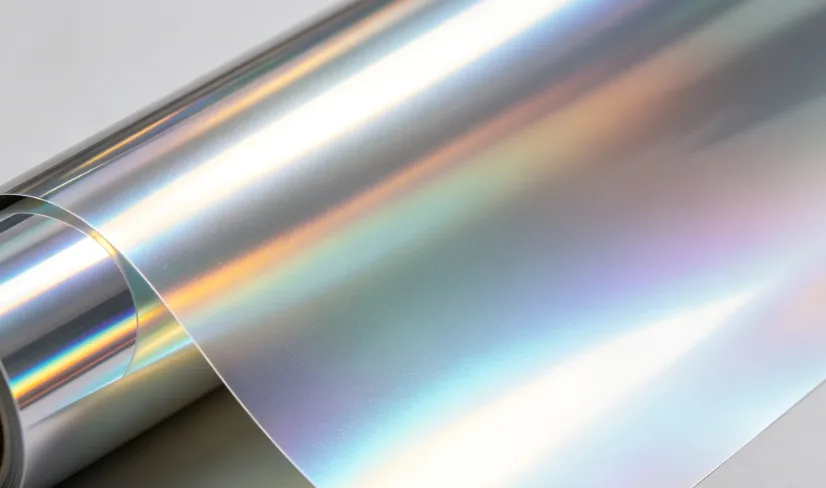
Many suppliers offer reflective HTV in silver, gray, colored, rainbow, printable, flame-retardant, and industrial-washable versions. (CHINASTARS)
How Reflective Heat Transfer Vinyl Works
Reflective HTV works by combining retroreflective technology with heat-transfer adhesive technology.
The reflective particles embedded inside the film reflect incoming light while the adhesive bonds permanently to fabric during heat pressing.
Basic Application Process
| Step | Action | Purpose |
|---|---|---|
| 1 | Design Cutting | Create graphics, logos, or lettering |
| 2 | Weeding | Remove excess vinyl |
| 3 | Heat Pressing | Activate adhesive |
| 4 | Carrier Removal | Reveal finished design |
| 5 | Cooling & Inspection | Ensure complete adhesion |
Typical application settings for many reflective HTV products include:
| Parameter | Typical Range |
|---|---|
| Temperature | 150–160°C |
| Press Time | 8–15 seconds |
| Pressure | Medium |
| Peeling Method | Hot or Cold |
These specifications vary by manufacturer and fabric type. (tramigosourcing.com)
Benefits of Reflective Heat Transfer Vinyl for Apparel
Reflective HTV provides both safety enhancement and design flexibility.
The material has become popular across apparel industries because it combines visibility with customization.
Main Advantages
-
Improved Visibility
- Reflects vehicle headlights at night.
- Enhances worker and athlete visibility.
-
Custom Design Freedom
- Supports logos, graphics, lettering, and branding.
- Suitable for complex cutting patterns.
-
Comfortable Wear
- No bulky stitching.
- Smooth garment surface.
-
Fast Production
- Quick heat-press application.
- Ideal for small-batch customization.
-
Wash Durability
- Designed to withstand repeated laundering when properly applied. (CHINASTARS)
Key Conclusion
Reflective HTV often offers greater design flexibility than traditional sew-on reflective materials while maintaining excellent visibility performance. (CHINASTARS)
Types of Reflective Heat Transfer Vinyl
Different reflective HTV products are designed for different apparel requirements.
| Type | Best For |
|---|---|
| Silver Reflective HTV | Safety apparel |
| Colored Reflective HTV | Fashion garments |
| Rainbow Reflective HTV | Trend apparel |
| Printable Reflective HTV | Complex graphics |
| Flame-Retardant Reflective HTV | Protective clothing |
| Industrial Wash Reflective HTV | Heavy-duty workwear |
Common reflective HTV applications include:
- Safety jackets
- Running apparel
- Cycling clothing
- School uniforms
- Promotional garments
- Workwear
- Sports team apparel
Industry suppliers also offer specialty versions for waterproof fabrics, stretch fabrics, and flame-resistant textiles. (CHINASTARS)
Reflective Heat Transfer Vinyl vs Traditional Reflective Tape
The choice between reflective HTV and sewn reflective tape depends on garment construction and performance requirements.
| Feature | Reflective HTV | Sew-On Reflective Tape |
|---|---|---|
| Installation | Heat Press | Sewing |
| Comfort | High | Moderate |
| Design Flexibility | Excellent | Limited |
| Waterproof Garments | Better Option | May Require Seam Sealing |
| Complex Logos | Easy | Difficult |
| Industrial Durability | Depends on Grade | Excellent |
According to reflective material manufacturers, reflective HTV reduces the need for stitching and can simplify production on waterproof garments because seam sealing may not be required. (CHINASTARS)
How to Apply Reflective Heat Transfer Vinyl
Correct application is the most important factor affecting reflective HTV durability.
Step 1: Prepare the Fabric
Ensure the garment is:
- Clean
- Dry
- Free from lint
- Compatible with heat pressing
Polyester, cotton, cotton blends, and many synthetic fabrics are commonly used.
Step 2: Cut the Design
Use a vinyl cutter or plotter to cut:
- Logos
- Text
- Safety markings
- Brand graphics
Many reflective HTV products can support fine-detail cutting. (tramigosourcing.com)
Step 3: Weed Excess Material
Remove unwanted vinyl carefully while preserving small design details.
Step 4: Heat Press
Follow manufacturer recommendations for:
- Temperature
- Pressure
- Press duration
Incorrect temperature is a leading cause of adhesion failure.
Step 5: Remove Carrier Film
Peel according to product instructions:
- Hot peel
- Warm peel
- Cold peel
Step 6: Inspect Adhesion
Check edges and corners for lifting before production continues.
Common Apparel Applications for Reflective HTV
Reflective heat transfer vinyl is used across multiple apparel sectors.
Safety Workwear
Construction, logistics, and transportation workers often wear garments with reflective elements to improve visibility. (tramigo)
Sportswear
Running shirts, cycling jerseys, and athletic jackets frequently incorporate reflective logos and graphics.
Fashion Apparel
Designers increasingly use reflective effects for aesthetic appeal as well as visibility.
Promotional Clothing
Brands often add reflective logos to event apparel and corporate uniforms.
How to Choose the Right Reflective Heat Transfer Vinyl
The best reflective HTV depends on fabric type, washing requirements, and intended use.
Consider the following checklist:
Selection Factors
- Fabric composition
- Stretch requirements
- Washing frequency
- Flame-retardant requirements
- Design complexity
- Visibility standards
Quick Selection Guide
| Requirement | Recommended HTV Type |
|---|---|
| Sportswear | Stretch Reflective HTV |
| Workwear | Industrial Wash HTV |
| Protective Clothing | Flame-Retardant HTV |
| Branding | Printable HTV |
| Fashion | Colored Reflective HTV |
For apparel manufacturers, verifying compliance with standards such as EN ISO 20471 and ANSI visibility requirements may also be important depending on the application. (Tramigo Reflective)
Related Reflective Products and Apparel Components
Manufacturers sourcing reflective apparel materials often combine reflective HTV with other garment accessories.
Relevant product categories available through Tramigo include:
- Reflective Tape
- Reflective Webbing Tape
- Reflective Heat Transfer Vinyl
- Hook and Loop Tape
- Elastic Woven Tape
- Non-Elastic Webbing
- Zippers
These materials are commonly integrated into safety apparel, outdoor gear, uniforms, and fashion garments. (tramigo)
Authoritative References
For additional information about workplace visibility and apparel safety standards:
- National Institute for Occupational Safety and Health (NIOSH): https://www.cdc.gov/niosh/
- Occupational Safety and Health Administration (OSHA): https://www.osha.gov/
- International Organization for Standardization (ISO): https://www.iso.org/
- American National Standards Institute (ANSI): https://www.ansi.org/
These organizations publish guidance and standards relevant to high-visibility clothing and worker safety.
Conclusion
Reflective Heat Transfer Vinyl is a versatile apparel decoration material that combines visibility, customization, and production efficiency. For beginners, understanding material types, application methods, and garment requirements is essential for achieving durable results.
Whether used in sportswear, workwear, promotional apparel, or fashion garments, reflective HTV offers a practical solution for adding both branding and safety functionality. Selecting the correct reflective heat transfer vinyl and following manufacturer application guidelines remain the most important factors for long-term performance.
FAQ
1. Can reflective heat transfer vinyl be applied with a household iron?
Yes, some reflective HTV products can be applied using a household iron, but a heat press usually provides more consistent temperature and pressure. Professional heat presses generally produce stronger adhesion and better durability, especially for commercial apparel production.
2. How long does reflective heat transfer vinyl last on clothing?
Properly applied reflective HTV can withstand many wash cycles. Durability depends on fabric type, washing conditions, application accuracy, and product quality. Industrial-grade reflective HTV is specifically designed for frequent laundering and demanding workwear environments.
3. Does reflective HTV work on stretch fabrics?
Yes, specialized stretch reflective heat transfer vinyl is available for performance apparel and athletic garments. These products maintain flexibility during movement while preserving reflective performance and adhesion after repeated use.
4. Is reflective heat transfer vinyl suitable for safety garments?
Yes, reflective HTV is commonly used on safety apparel. However, garments intended to meet specific visibility standards should use certified reflective materials and be tested according to applicable regulations and performance requirements.
5. What causes reflective HTV to peel after washing?
Peeling is usually caused by insufficient heat, incorrect pressure, poor fabric compatibility, or failure to follow manufacturer instructions. Pre-testing on sample garments and using recommended heat press settings significantly reduces the risk of adhesion failure.


