
What Is the Best Webbing Material for Automotive Seat Belts?
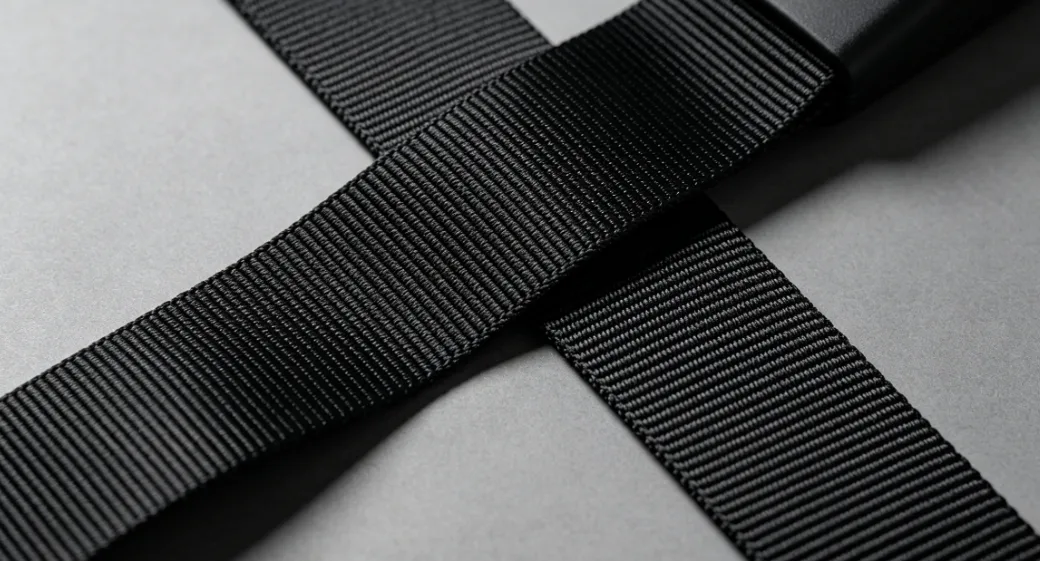
Automotive seat belts rely on high-strength webbing materials to protect occupants during collisions. The best webbing material for automotive seat belts combines tensile strength, abrasion resistance, controlled elongation, and long-term durability. Today, polyester webbing remains the industry standard because it provides an optimal balance of safety performance, environmental resistance, and manufacturing consistency.
Automotive Seat Belt Webbing Requirements
Polyester webbing is widely used because automotive safety standards demand extremely reliable performance.
Seat belt systems must withstand sudden impact forces while maintaining structural integrity. Modern automotive seat belt webbing is engineered to absorb energy, distribute loads across the body, and minimize occupant movement during a crash.
Key performance requirements include:
- High tensile strength
- Controlled elongation
- Abrasion resistance
- UV resistance
- Moisture resistance
- Long service life
- Consistent manufacturing quality
Organizations such as the U.S. National Highway Traffic Safety Administration (NHTSA) and the United Nations Economic Commission for Europe (UNECE) establish safety regulations governing seat belt performance.
External References:
- NHTSA Seat Belt Safety Standards: https://www.nhtsa.gov
- UNECE Regulation No.16 Seat Belt Requirements: https://unece.org
Why Polyester Webbing Is the Best Material for Automotive Seat Belts
Polyester webbing is considered the best webbing material for automotive seat belts because it offers superior dimensional stability and durability.
Unlike some synthetic fibers, polyester maintains strength under varying environmental conditions. Automotive manufacturers favor polyester because it exhibits limited stretch while still providing sufficient energy absorption during impact events.
Advantages of polyester seat belt webbing include:
- Excellent tensile strength
- Low moisture absorption
- High UV resistance
- Consistent elongation characteristics
- Good abrasion resistance
- Long-term durability
According to industry testing data, polyester retains mechanical performance under prolonged exposure to sunlight, temperature fluctuations, and humidity.
Relevant Internal Resource:
Comparison of Common Webbing Materials for Automotive Seat Belts
Polyester outperforms most alternative webbing materials when evaluated against automotive safety requirements.
| Material | Tensile Strength | UV Resistance | Moisture Resistance | Elongation Control | Automotive Suitability |
|---|---|---|---|---|---|
| Polyester | Excellent | Excellent | Excellent | Excellent | Excellent |
| Nylon | Excellent | Good | Moderate | Higher Stretch | Good |
| Polypropylene | Moderate | Moderate | Excellent | Moderate | Limited |
| Aramid | Very High | Good | Excellent | Low Stretch | Specialized |
The comparison demonstrates why polyester remains the preferred material for passenger vehicle seat belts worldwide.
How Polyester Webbing Performs During Vehicle Collisions
Controlled elongation is one of the most important characteristics of seat belt webbing.
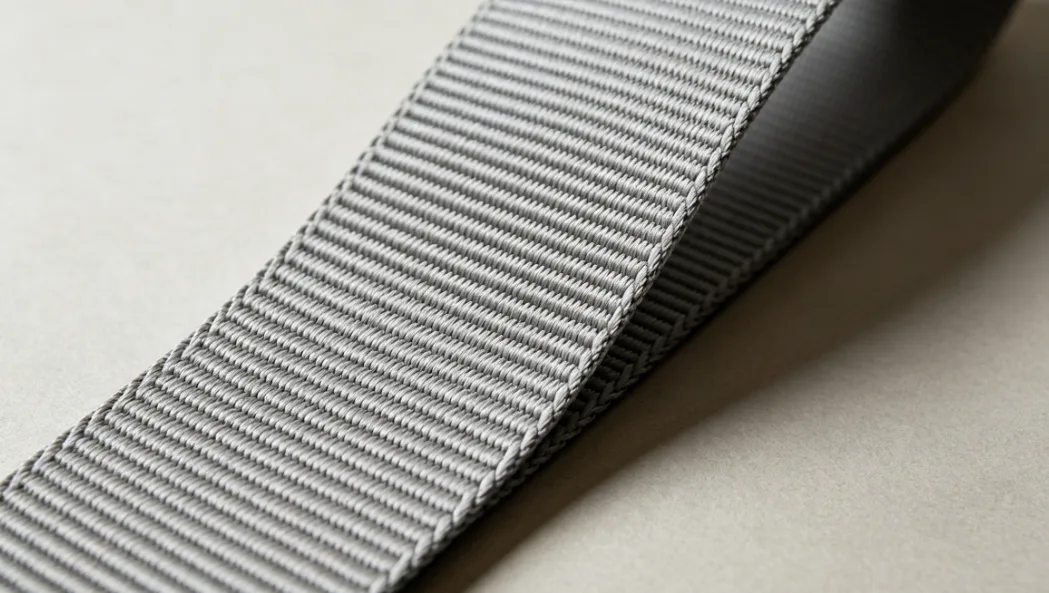
During a collision, webbing must stretch slightly to absorb kinetic energy while preventing excessive occupant movement. Polyester provides predictable elongation that helps reduce peak forces transferred to passengers.
Benefits during crash events include:
- Improved energy absorption
- Reduced chest loading
- Better occupant restraint
- Enhanced compatibility with airbags
- Reliable load distribution
Modern restraint systems are specifically engineered around the mechanical behavior of polyester webbing.
External Reference:
- Insurance Institute for Highway Safety (IIHS): https://www.iihs.org
Polyester Webbing vs Nylon Webbing for Seat Belt Applications
Polyester webbing generally performs better than nylon webbing in long-term automotive applications.
Although nylon offers excellent strength, nylon absorbs more moisture and experiences greater elongation under load. These characteristics can create performance variations in demanding environments.
Polyester vs Nylon Seat Belt Webbing
| Property | Polyester Webbing | Nylon Webbing |
|---|---|---|
| Water Absorption | Low | Higher |
| UV Resistance | Excellent | Good |
| Stretch Under Load | Lower | Higher |
| Dimensional Stability | Excellent | Good |
| Automotive Preference | High | Moderate |
For passenger vehicles, polyester webbing typically provides greater long-term consistency.
Manufacturing Standards for Automotive Seat Belt Webbing
International standards ensure seat belt webbing meets strict performance requirements.
Manufacturers commonly test webbing for:
- Breaking strength
- Abrasion resistance
- Light aging resistance
- Color fastness
- Dynamic impact performance
- Heat resistance
Automotive suppliers often operate under quality management systems such as:
- IATF 16949
- ISO 9001
- ISO 14001
Compliance with these standards helps ensure repeatable product quality throughout the supply chain.
Emerging Trends in Automotive Seat Belt Webbing Materials
Advanced webbing technologies are improving both safety and sustainability.
Several developments are influencing future seat belt production:
- Recycled polyester yarns
- Lightweight woven constructions
- Enhanced abrasion-resistant coatings
- Smart safety textile integration
- Low-carbon manufacturing processes
According to industry estimates, recycled polyester content is becoming increasingly common in automotive interiors as vehicle manufacturers pursue sustainability targets.
Relevant Internal Resources:
How to Select the Best Webbing Material for Automotive Seat Belts
Polyester webbing remains the safest and most practical choice for most automotive restraint systems.
When evaluating automotive seat belt materials, buyers should consider:
Selection Checklist
| Evaluation Factor | Recommended Requirement |
|---|---|
| Material Type | Polyester |
| Tensile Strength | Automotive-grade certified |
| UV Resistance | High |
| Moisture Resistance | High |
| Abrasion Resistance | High |
| Quality Certification | IATF 16949 / ISO 9001 |
| Regulatory Compliance | FMVSS / UNECE Standards |
Purchasing decisions should prioritize certified performance data rather than price alone.
Related Automotive Textile Components
Automotive safety systems often utilize additional technical textile materials alongside seat belt webbing.
Common examples include:
- Reflective Webbing
- Reflective Tape
- Reflective Heat Transfer Vinyl
- Reflective Piping Tape
- Safety Vest Materials
These materials support visibility, safety, and durability requirements across transportation and industrial sectors.
Conclusion
Polyester is the best webbing material for automotive seat belts because it delivers the ideal combination of tensile strength, controlled elongation, UV resistance, moisture resistance, and long-term durability. While nylon and other synthetic materials offer specific advantages, polyester continues to dominate global automotive seat belt production due to its consistent performance and compliance with international safety standards.
Frequently Asked Questions
1. Why is polyester used in most automotive seat belts?
Polyester is used because it provides excellent strength, low moisture absorption, strong UV resistance, and predictable elongation characteristics. These properties allow automotive engineers to design restraint systems that perform consistently under a wide range of operating conditions.
2. Is nylon stronger than polyester for seat belts?
Nylon can provide comparable or slightly higher tensile strength in some applications. However, nylon absorbs more moisture and stretches more under load, making polyester a more stable and predictable option for automotive restraint systems.
3. How much force can automotive seat belt webbing withstand?
Automotive-grade seat belt webbing is designed to withstand extremely high loads during crash events. Exact requirements vary by regulatory standard and vehicle type, but certified webbing undergoes rigorous testing before approval for production use.
4. Can recycled polyester be used for seat belt webbing?
Some manufacturers are developing recycled polyester solutions for automotive textiles. However, all recycled materials must meet the same safety, durability, and regulatory requirements as conventional automotive-grade polyester before implementation.
5. What certifications should buyers look for when sourcing seat belt webbing?
Buyers should verify compliance with automotive quality systems such as IATF 16949 and ISO 9001. They should also confirm that products meet relevant FMVSS, UNECE, or other regional seat belt performance standards required for target markets.


