
Introduction
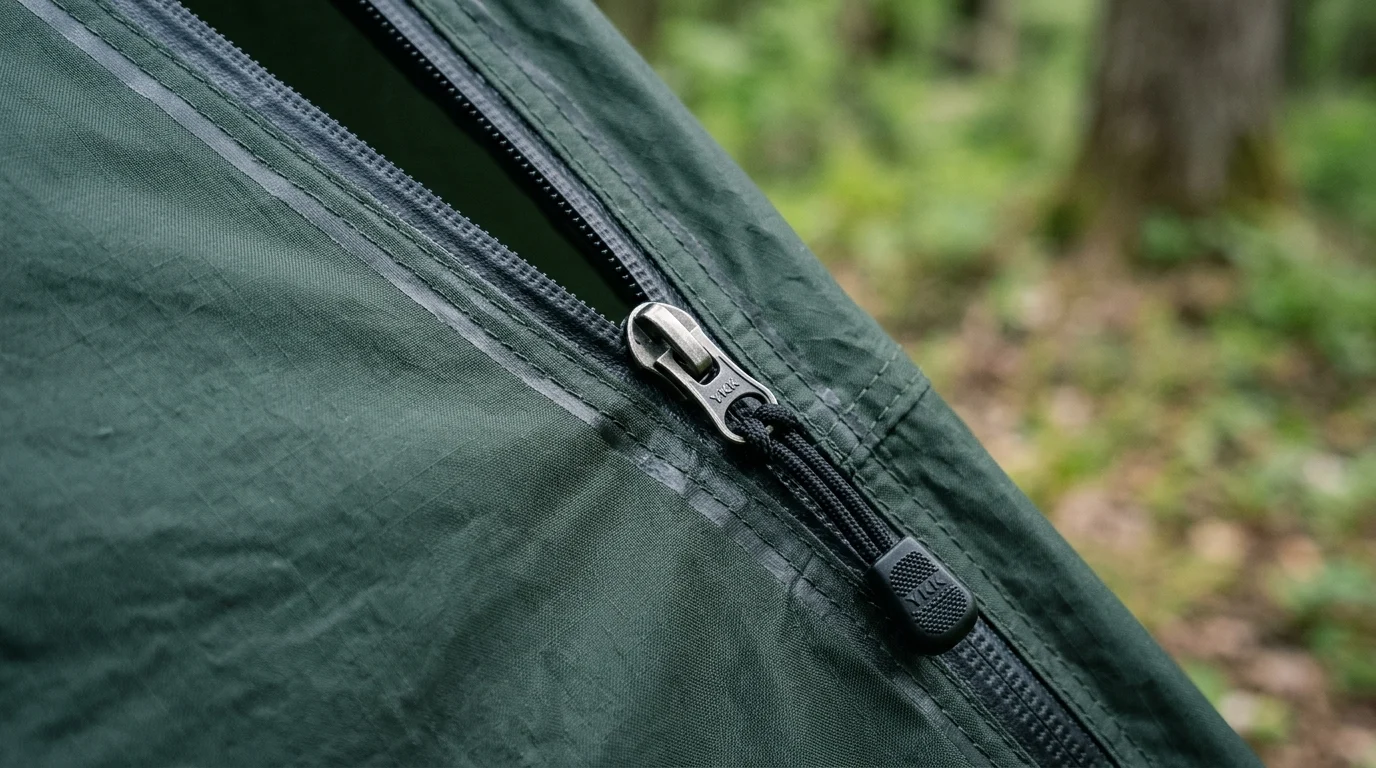
Keeping rain out of a tent depends as much on the closure system as on the fabric itself, and zipper choice has become a key design decision for 2026 camping gear. This article explains what makes a waterproof tent zipper genuinely reliable, from resistance to hydrostatic pressure and wind-driven rain to durability under tension, dirt, and temperature swings. You’ll learn how top options differ from standard water-resistant models, which performance features matter most in real field conditions, and how to evaluate zipper designs for safer, longer-lasting shelters. With that foundation, it becomes easier to compare the leading waterproof tent zippers and choose the right fit for modern camping equipment.
Why the best waterproof tent zipper matters for camping
The integrity of a camping shelter relies heavily on its weakest points, which historically include seams and closures. A waterproof tent zipper is a critical component designed to seal these vulnerable entryways against moisture, wind, and debris. As outdoor equipment manufacturers finalize designs for 2026, the demand for advanced, weather-resistant closures has intensified. Unlike standard apparel zippers, these specialized components must endure severe environmental stressors while maintaining structural integrity under high lateral tension.
Selecting an optimal closure is not merely a matter of convenience; it directly impacts user safety and product lifespan. A failing zipper can compromise an entire expedition, leading to internal flooding or heat loss. Consequently, understanding the engineering and performance metrics of these closures is essential for product developers and procurement specialists aiming to deliver reliable outdoor gear.
Weather resistance and field reliability
Field reliability in extreme weather requires closures that can withstand sustained exposure to hydrostatic pressure. A standard water-resistant zipper may deflect light drizzle, but true waterproof variants are engineered to resist water columns exceeding 1,500mm. In alpine or monsoon conditions, wind-driven rain exerts dynamic pressure on the zipper tape and interlocking teeth, demanding a secure, impermeable barrier.
Furthermore, field reliability extends to temperature fluctuations. A premium waterproof tent zipper must remain pliable at -20°C without the coating cracking, while also resisting UV degradation and tackiness at temperatures up to 50°C. Failure to maintain this thermal tolerance results in delamination of the waterproof film, permanently compromising the weather resistance of the shelter.
Camping gear that relies on waterproof zippers
While primary entry doors on expedition tents are the most obvious application, modern camping gear utilizes waterproof closures across a broad spectrum of products. Bivy sacks, ultralight rainflies, awning extensions, and integrated gear vestibules all require specialized weather-sealed zippers. In these applications, the closure must integrate seamlessly with lightweight fabrics, such as 15D or 20D silnylon, without causing puckering or structural weakness.
Beyond shelters, soft-sided coolers, dry bags, and roof-top tent covers also rely on these heavy-duty components. Warranty data from leading outdoor brands indicates that zipper failures account for up to 60% of shelter-related returns. By specifying high-grade waterproof closures, manufacturers can drastically reduce these return rates, protecting brand reputation and improving the end-user experience.
What defines a waterproof tent zipper
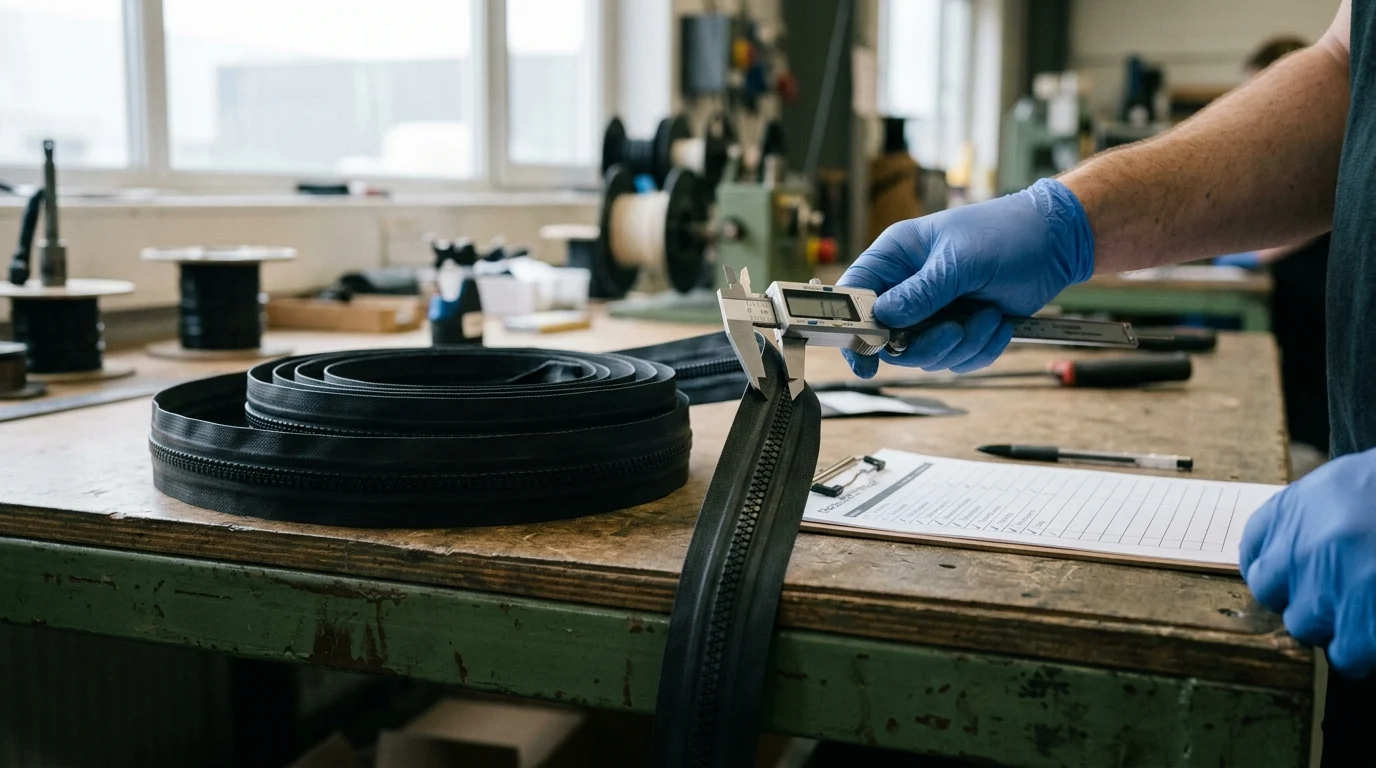
A waterproof tent zipper is defined by its anatomical adaptations designed to block moisture penetration. Standard zippers consist of fabric tape, interlocking teeth, and a slider. To achieve waterproofing, manufacturers modify the tape with impermeable coatings and re-engineer the teeth to minimize gaps. The interaction between these elements determines the overall hydrostatic resistance and mechanical durability of the closure.
Coil, molded tooth, and coated constructions
The three primary constructions used in outdoor gear are coil, molded tooth, and coated designs. Coil zippers utilize a continuous monofilament spiral, offering excellent flexibility and horizontal strength, making them ideal for curved tent doors. Molded tooth zippers (often made from polyacetal resin) feature individually injected teeth; they are stiffer but highly resistant to jamming from dirt or ice.
To achieve weather resistance, both styles are typically inverted and paired with a coated tape. The tape is usually treated with Thermoplastic Polyurethane (TPU) or Polyvinyl Chloride (PVC). TPU is the industry standard for 2026 due to its superior flexibility, lower environmental impact, and excellent performance in sub-zero temperatures, whereas PVC is increasingly phased out due to chemical compliance issues and cold-weather brittleness.
Key specifications to evaluate
Procurement teams must evaluate several strict specifications to ensure a zipper meets the rigorous demands of outdoor shelters. Relying solely on a “waterproof” label is insufficient; quantitative metrics dictate true performance.
| Specification | Standard Range | Premium Range |
|---|---|---|
| Hydrostatic Head Rating | 1,000mm – 1,500mm | 3,000mm – 5,000mm+ |
| Cross-wise Strength (Size #5) | > 250 Newtons | > 400 Newtons |
| Cold Crack Resistance | -10°C | -30°C |
| Operating Pull Force | < 1.5 kgf | < 0.8 kgf |
| Lifecycle Durability | 3,000 cycles | 10,000+ cycles |
Engineers must match these specifications to the tent’s primary fabric. Pairing a 5,000mm rated zipper with a 1,500mm rated rainfly adds unnecessary cost and weight without yielding practical benefits.
Trade-offs between water resistance and smooth operation
One of the most persistent engineering challenges is balancing water resistance with smooth mechanical operation. As the thickness of the TPU coating increases to improve the hydrostatic head rating, the zipper tape becomes stiffer. This stiffness increases the friction against the slider, resulting in a higher operating pull force.
A zipper that requires more than 1.5 kgf (kilogram-force) to operate can frustrate users and increase the risk of tearing the adjacent tent fabric during one-handed operation. Premium manufacturers mitigate this trade-off by utilizing advanced slider geometries and self-lubricating polymer coatings, allowing for a tight, waterproof seal while maintaining an operating pull force below 0.8 kgf.
How to compare waterproof tent zipper options
Navigating the global supply chain for outdoor hardware requires a structured comparison of available closures. With hundreds of manufacturers offering varying tiers of quality, buyers must differentiate between premium components engineered for critical applications and mid-range options suited for casual recreational use.
Comparison criteria for premium and mid-range options
When comparing premium and mid-range options, buyers must analyze cost, minimum order quantities (MOQs), and lifecycle longevity. Premium zippers often feature laser-cut TPU films and specialized UV-resistant treatments, driving costs to $1.50 – $3.00 per meter. Mid-range alternatives typically cost between $0.60 and $1.20 per meter but may utilize standard polyurethane coatings that degrade faster under solar exposure.
| Comparison Criteria | Mid-Range Zippers | Premium Zippers |
|---|---|---|
| Cost per Meter (Est.) | $0.60 – $1.20 | $1.50 – $3.00+ |
| Standard MOQ | 5,000 – 10,000 meters | 1,000 – 3,000 meters |
| Tape Delamination Risk | Moderate (after 2 years) | Low (5+ year lifespan) |
| Custom Color Matching | Basic Pantone matching | Precision DTM (Dyed-to-Match) |
Additionally, MOQs play a crucial role in sourcing. Mid-range suppliers often require bulk orders exceeding 10,000 meters for custom colors, whereas premium suppliers may offer flexible MOQs of 1,000 meters to accommodate specialized, low-volume expedition gear.
Differences among leading suppliers and brands
The market is dominated by a few major global players alongside highly specialized regional manufacturers. Industry giants like YKK and SBS set the baseline for global standards, offering extensive catalogs with highly consistent extrusion tolerances. Their proprietary water-repellent series are widely trusted for high-end mountaineering equipment.
Conversely, specialized manufacturers often provide rapid prototyping and agile production for niche requirements, such as unique slider designs or specific eco-friendly coatings. Reviewing comprehensive products from these specialized vendors can reveal innovative closure technologies that larger brands have yet to adopt at scale. Differences in lead times also vary; global leaders may require 8 to 12 weeks for delivery, while agile competitors might fulfill orders in 4 to 6 weeks.
How to reduce sourcing and quality risk
Procuring hardware for outdoor shelters carries inherent risks. A batch of defective closures can ruin thousands of finished tents, resulting in severe financial losses and brand damage. Implementing strict quality assurance protocols and understanding global compliance standards are mandatory steps to mitigate these sourcing risks.
Lab and field tests for waterproof performance
To verify performance, manufacturers must subject zipper samples to rigorous lab and field testing. The ISO 811 standard is commonly used to test the hydrostatic pressure resistance of the coated tape. Zippers are clamped into a testing rig and subjected to increasing water pressure until penetration occurs. A minimum threshold of 1,500mm is standard for 3-season tents.
Beyond water resistance, mechanical testing is vital. The cross-wise strength test evaluates the lateral force required to pull the interlocked teeth apart. For a standard #5 tent zipper, a baseline requirement is typically 250 Newtons. Field testing complements lab data by exposing the zippers to real-world grit, mud, and rapid temperature shifts, ensuring the slider does not jam or abrade the waterproof coating over time.
Sourcing checkpoints to control defects
Controlling defects requires establishing clear sourcing checkpoints before bulk production begins. Buyers should demand detailed technical data sheets (TDS) and pre-production samples. A critical checkpoint is inspecting the adhesion between the TPU film and the fabric tape; poor adhesion leads to peeling after repeated folding.
Establishing a maximum acceptable defect rate (e.g., <1.0%) in the supplier contract protects the buyer. Quality control teams must conduct random batch inspections focusing on slider smoothness, tape consistency, and colorfastness. Understanding the supplier’s internal quality control infrastructure by reviewing information about us pages and factory audit reports provides insight into their manufacturing discipline.
Material, chemical, and regional compliance requirements
By 2026, chemical compliance is a dominant factor in outdoor gear sourcing. The shift away from per- and polyfluoroalkyl substances (PFAS), often referred to as “forever chemicals,” has forced manufacturers to adopt new Durable Water Repellent (DWR) treatments and coating processes. Zippers must comply with these updated environmental regulations to be sold in key markets like the European Union and specific US states.
Furthermore, zippers must adhere to REACH standards in Europe, ensuring they are free from restricted substances such as lead in the metal sliders or harmful phthalates in the PVC/TPU coatings. Sourcing teams must secure up-to-date compliance certificates from zipper manufacturers to prevent costly customs rejections or forced product recalls.
How to choose the best waterproof tent zipper
Choosing the ideal waterproof closure requires synthesizing technical specifications, compliance mandates, and budgetary constraints. There is no single universal solution; the best zipper is one that precisely matches the intended application of the tent while maintaining a viable profit margin for the manufacturer.
Selection process by use case
The selection process must be driven by the specific use case of the shelter. For ultralight backpacking tents, weight and flexibility are paramount. Product developers should specify a #3 or #5 coil zipper with a lightweight, PFAS-free TPU coating. These closures provide adequate weather protection without adding unnecessary bulk to a sub-1.5kg tent.
Conversely, 4-season expedition tents and heavy-duty canvas glamping structures require robust durability over weight savings. A #8 or #10 molded tooth zipper with a heavy-duty waterproof coating is necessary to withstand the high lateral tension of thick fabrics and the freezing conditions of high altitudes. In these scenarios, oversized, glove-friendly sliders are also a mandatory pairing.
Final recommendations for balancing performance and cost
Balancing performance and cost requires strategic decision-making. Over-engineering a summer recreational tent with a $3.00/meter expedition-grade zipper inflates retail prices unnecessarily. However, under-engineering a mountaineering tent with a sub-standard closure invites catastrophic field failure.
Manufacturers should allocate their budget toward premium zippers for primary entryways and rainflies, where weather exposure is highest. For internal mesh doors or secondary vents, standard non-waterproof coil zippers can be utilized to optimize costs. Procurement teams looking to finalize their hardware specifications and negotiate bulk pricing should contact us or their chosen supplier early in the design phase to secure optimal lead times and ensure all 2026 compliance standards are met.
Further reading:
Key Takeaways
- The most important conclusions and rationale for waterproof tent zipper
- Specs, compliance, and risk checks worth validating before you commit
- Practical next steps and caveats readers can apply immediately
Frequently Asked Questions
What hydrostatic rating should a waterproof tent zipper have for serious camping gear?
For dependable storm protection, target at least 1,500mm. For alpine, monsoon, or premium tents, 3,000mm to 5,000mm+ offers a stronger moisture barrier.
Which zipper construction works best for tent doors?
Coated coil zippers are usually best for curved tent doors because they flex well and handle side tension. Molded tooth options suit dirtier or icier environments.
Is TPU better than PVC for waterproof tent zippers in 2026?
Yes. TPU is preferred because it stays flexible in cold weather, resists cracking better, and aligns more easily with current compliance standards than PVC.
What specs should buyers check before sourcing a waterproof tent zipper?
Check hydrostatic head, cross-wise strength, cold-crack resistance, pull force, and cycle life. For stronger field performance, look for 3,000mm+, 400N+, and 10,000+ cycles.
Where can manufacturers compare waterproof zipper options for camping gear?
You can review camping-gear closure options and product details on Tramigo Blog’s product pages, which are useful for comparing waterproof zipper applications and sourcing direction.


