
Introduction
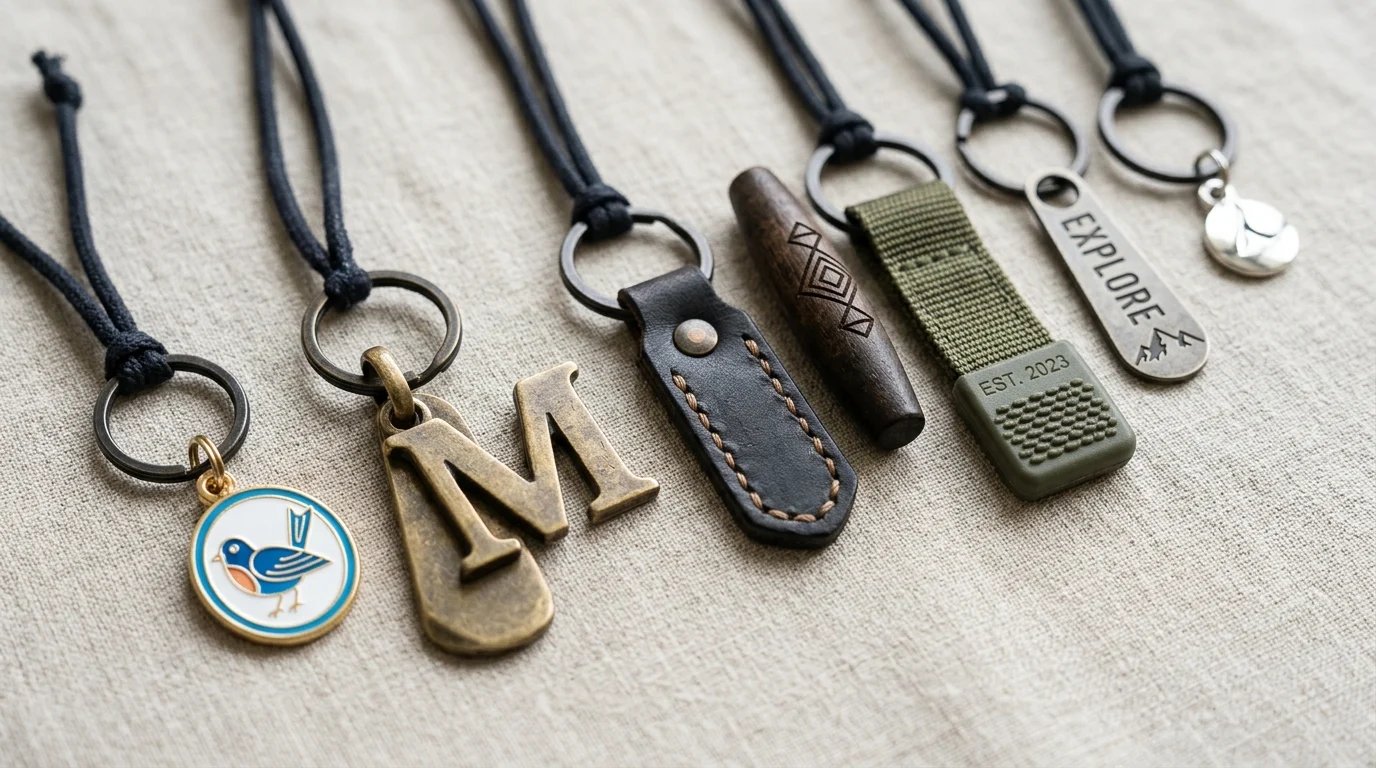
For fashion brands, custom zipper pulls are more than small hardware details—they shape first impressions, reinforce brand identity, and add perceived value across apparel and accessories. The right pull can signal quality, improve functionality, and create a recognizable design cue that separates a product from standard market offerings. This guide explains how custom zipper pulls support branding, what materials, sizes, and finishes matter most, and how different choices fit categories like outerwear, activewear, and leather goods. It also sets up the practical considerations behind design, manufacturing, and supplier selection so you can evaluate options with a clearer commercial and product-development lens.
Why custom zipper pulls matter for fashion brands
In the competitive landscape of apparel manufacturing, hardware components act as critical touchpoints for consumer interaction. Custom zipper pulls represent a highly visible micro-branding opportunity that bridges functional utility with aesthetic identity. Typically ranging from 15mm to 45mm in length, these small fixtures often serve as the first physical interaction a consumer has with a garment’s closure system.
Brand recognition and perceived value
The strategic implementation of branded hardware significantly elevates product positioning. When fashion brands transition from stock sliders to custom-molded pulls, market data suggests a potential 15% to 20% increase in perceived retail value. Incorporating logos, signature brand colors, or unique textural finishes transforms a utilitarian fastener into a distinct hallmark of authenticity. You can explore various products to see how custom detailing distinguishes premium lines from mass-market alternatives.
Beyond mere decoration, a bespoke zipper pull serves as an anti-counterfeiting measure. Proprietary molds and unique metal alloys make unauthorized replication difficult and expensive, thereby protecting brand equity in markets prone to intellectual property infringement.
Commercial impact across product categories
The commercial influence of customized zipper hardware extends across multiple product categories, from heavy-duty outerwear and technical activewear to luxury leather goods and accessories. In technical outerwear, an oversized, texturized pull ensures ease of use with gloved hands, directly impacting the garment’s functional rating and consumer satisfaction.
Conversely, delicate, high-polish metal pulls on evening bags or tailored trousers communicate refinement and precision. By aligning the tactile experience of the zipper pull with the broader category expectations, brands reinforce their market positioning at every interaction point, ensuring that even a component costing fractions of a dollar contributes to a premium consumer experience.
Key specifications for custom zipper pulls
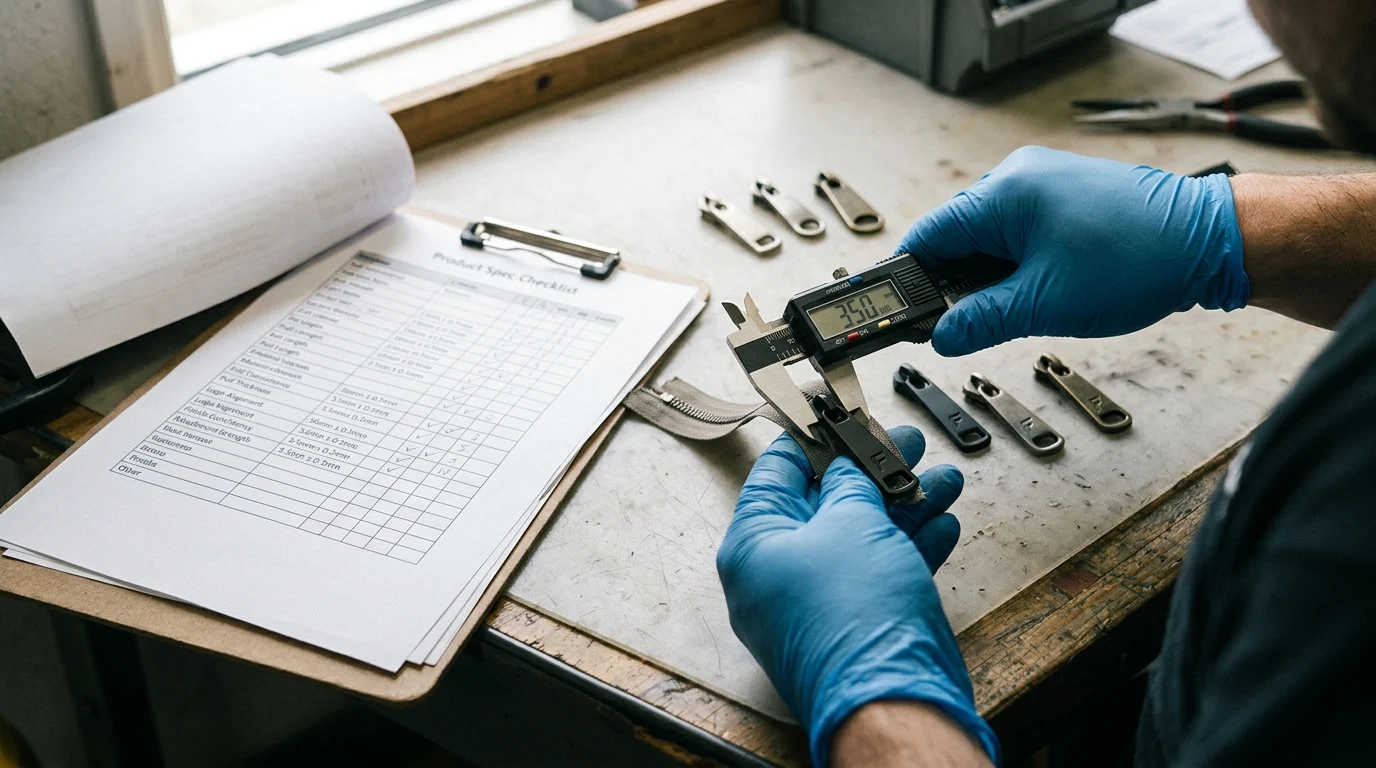
Specifying the correct parameters for custom zipper pulls requires balancing design aspirations with manufacturing realities. A comprehensive technical specification sheet must define dimensions, core materials, surface treatments, and the structural connection to the slider body.
Materials, finishes, attachments, and branding methods
The architecture of a zipper pull involves the main body, the attachment mechanism (such as a jump ring, D-ring, or direct slider hook), and the branding application. Branding methods vary widely based on the substrate; metal pulls typically utilize debossing, laser engraving, or soft enamel color fills, while synthetic pulls rely on micro-injection molding for raised 3D logos.
Finishes can range from matte electroplating and brushed antiquing to high-gloss mirrored polishing. Each finishing technique requires specific manufacturing tolerances and base material preparations to ensure the coating adheres correctly and resists chipping over the garment’s lifecycle.
Comparing metal, rubber, leather, and woven options
Selecting the optimal material dictates both the physical characteristics and the manufacturing methodology. The table below outlines standard material profiles used in custom hardware production:
| Material Type | Typical Weight | Tooling Cost | Ideal Application |
|---|---|---|---|
| Zinc Alloy | 4g – 12g | High | Luxury apparel, leather goods, denim |
| PVC / Silicone | 2g – 5g | Medium | Activewear, children’s clothing, outdoor gear |
| Leather | 1g – 3g | Low | Heritage outerwear, bags, premium casualwear |
| Woven / Jacquard | < 1g | Very Low | Sportswear, tactical gear, lightweight jackets |
Zinc alloy remains the industry standard for premium metal hardware due to its castability and durability, while silicone offers unmatched flexibility and color vibrancy for athletic lines.
Durability, aesthetics, MOQ, and cost factors
Production parameters such as Minimum Order Quantities (MOQs) and unit costs are directly tied to material choices. Metal and injection-molded pulls generally require MOQs ranging from 1,000 to 5,000 pieces per design, accompanied by upfront mold fees typically falling between $50 and $150.
Unit costs can vary significantly, from $0.05 for basic woven pulls to upwards of $0.80 for heavy, multi-colored enameled zinc alloy pieces. Durability is equally critical; finishes must resist abrasion, and the attachment loop must withstand thousands of cyclical pulls without deformation or structural failure.
How to source custom zipper pulls
Establishing a reliable supply chain for hardware is vital for maintaining production schedules and product consistency. Sourcing custom zipper pulls involves navigating a specialized network of die-casters, injection molders, and textile manufacturers.
Development process from concept to sampling
The development lifecycle begins with translating a 2D vector design into a 3D CAD model, which dictates the mold’s creation. Once the digital proof is approved, suppliers initiate the sampling phase. Standard lead times for custom hardware sampling range from 7 to 14 days, depending on the complexity of the mold and the required finishing processes.
Brands should mandate physical samples to verify the weight, color accuracy, and attachment compatibility before authorizing bulk production. Understanding the manufacturing background and scale of potential partners, often detailed on their about us pages, provides essential insight into their technical competencies and production capacity.
Supplier evaluation criteria and tooling capabilities
Evaluating a supplier requires scrutinizing their tooling precision, quality control protocols, and material sourcing transparency. High-quality hardware manufacturers operate with strict tooling tolerances, often maintaining precision levels within 0.1mm to ensure the pull fits perfectly onto the slider without excessive play or binding.
Additionally, suppliers must demonstrate consistent electroplating capabilities, as uneven coating can lead to premature oxidation or color fading. Brands should also assess communication responsiveness and the supplier’s ability to scale production reliably from initial 500-piece small-batch sampling to full-scale commercial runs exceeding 50,000 units.
Compliance, quality, and logistics considerations
Beyond aesthetics and basic functionality, custom zipper pulls must adhere to stringent global standards for safety, environmental compliance, and logistical efficiency. Navigating these requirements ensures smooth market entry and protects brand reputation.
Testing, restricted substances, and product safety requirements
Hardware components are heavily regulated regarding restricted substances, particularly in international markets. Custom pulls must frequently comply with REACH standards in Europe and CPSIA regulations in the United States. A critical compliance threshold is lead content, which must test below 90 parts per million (ppm) for children’s apparel.
Furthermore, metal pulls that contact the skin must be certified nickel-free to prevent allergic contact dermatitis. From a mechanical standpoint, product safety testing often mandates that zipper pulls withstand a minimum pull strength of 15 to 20 kilograms of force without detaching or fracturing, ensuring longevity and preventing choking hazards in juvenile product lines.
Packaging, freight, replenishment, and origin planning
Logistical planning for hardware requires accurate weight and volume calculations. While individual pulls are small, bulk orders are dense; a standard shipment of 10,000 zinc alloy pulls can weigh between 30 and 50 kilograms. This density makes air freight economically viable for urgent seasonal replenishments, whereas heavier, non-urgent bulk orders are better suited for sea freight consolidation.
Proper packaging is essential to prevent scratching during transit, typically involving tissue wrapping or blister packing for high-polish finishes. For specific logistical planning and freight inquiries, procurement teams often contact us or their primary logistics coordinators to optimize origin routing and minimize customs delays.
How to choose the right custom zipper pulls
Finalizing the specification for custom zipper pulls requires a structured approach that harmonizes brand identity, garment functionality, and target profit margins. The decision-making process must synthesize all technical and commercial variables discussed.
Decision framework for brand, function, and budget
A robust decision framework aligns the component’s physical attributes with the end-product’s requirements. The matrix below illustrates how to match technical specifications with product categories:
| Garment Category | Key Functional Need | Recommended Pull Type | Target Unit Cost |
|---|---|---|---|
| High-End Outerwear | Durability, premium feel | Heavy zinc alloy, branded | $0.30 – $0.60 |
| Performance Activewear | Lightweight, washable | Silicone / TPU, textured | $0.15 – $0.35 |
| Ultralight Gear | Minimal weight, silent | Nylon cord with plastic tip | $0.05 – $0.15 |
| Luxury Leather Goods | High polish, scratch resistance | Brass or plated zinc alloy | $0.50 – $0.90 |
By utilizing this framework, sourcing teams can quickly eliminate unsuitable materials and focus on options that support the garment’s target retail margin and functional baseline.
Final selection criteria for design and performance
The final selection criteria must balance aesthetic impact with physical performance metrics. For instance, a beautifully designed 10-gram metal pull may distort the drape of a lightweight silk jacket, necessitating a pivot to a lighter 2-gram alternative or a smaller dimensional footprint.
Ultimately, the chosen custom zipper pull must seamlessly integrate into the garment’s design language while surviving the rigors of commercial laundering, environmental exposure, and daily mechanical stress. By rigorously evaluating material properties, compliance data, and supplier capabilities, fashion brands can confidently source custom hardware that elevates their entire product portfolio.
Further reading:
Key Takeaways
- The most important conclusions and rationale for custom zipper pulls
- Specs, compliance, and risk checks worth validating before you commit
- Practical next steps and caveats readers can apply immediately
Frequently Asked Questions
What material works best for custom zipper pulls?
Choose by product type: zinc alloy for premium apparel and bags, silicone/PVC for activewear, leather for heritage styles, and woven pulls for lightweight jackets. Match the material to durability, weight, and brand positioning.
What is the typical MOQ for custom zipper pulls?
For most metal or molded designs, expect about 1,000 to 5,000 pieces per style. Simpler woven options usually have lower minimums, making them easier for smaller runs.
How much do custom zipper pulls usually cost?
Basic woven pulls can start around $0.05 each, while premium enameled zinc alloy pulls may reach $0.80 each. Many projects also include a mold fee, often about $50 to $150.
Which branding methods are common for custom zipper pulls?
Metal pulls often use debossing, laser engraving, or soft enamel. Silicone and PVC styles commonly use molded 3D logos. Pick a method that fits your material, logo detail, and finish.
How can Tramigo help with custom zipper pull sourcing?
Tramigo’s product and sourcing content can help you compare materials, finishes, and application options before production. Review relevant product examples on tramigoblog.com to narrow down the right style for your collection.


