
Introduction
Choosing the right waterproof zipper affects more than closure strength: it determines how well a jacket, pack, or tent resists rain at its most vulnerable seam. Materials, coating type, flexibility, slider design, and intended use all influence whether a zipper will perform reliably in the field or fail under repeated exposure. This article explains the key factors to compare, where different zipper constructions work best, and the trade-offs between water resistance, durability, weight, and ease of operation. By the end, you’ll have a practical framework for selecting waterproof zippers that match your product’s environment, performance target, and price point.
Why waterproof zippers matter in outdoor products
In the competitive landscape of outdoor gear, the integrity of a product is often dictated by its weakest point of entry. While manufacturers invest heavily in advanced waterproof-breathable membranes, the closures securing these garments and equipment require equal scrutiny. A failure in a relatively inexpensive component—such as a $5 closure assembly—can instantly compromise the performance of a $500 technical jacket, exposing the user to severe environmental elements.
Impact on product performance and user trust
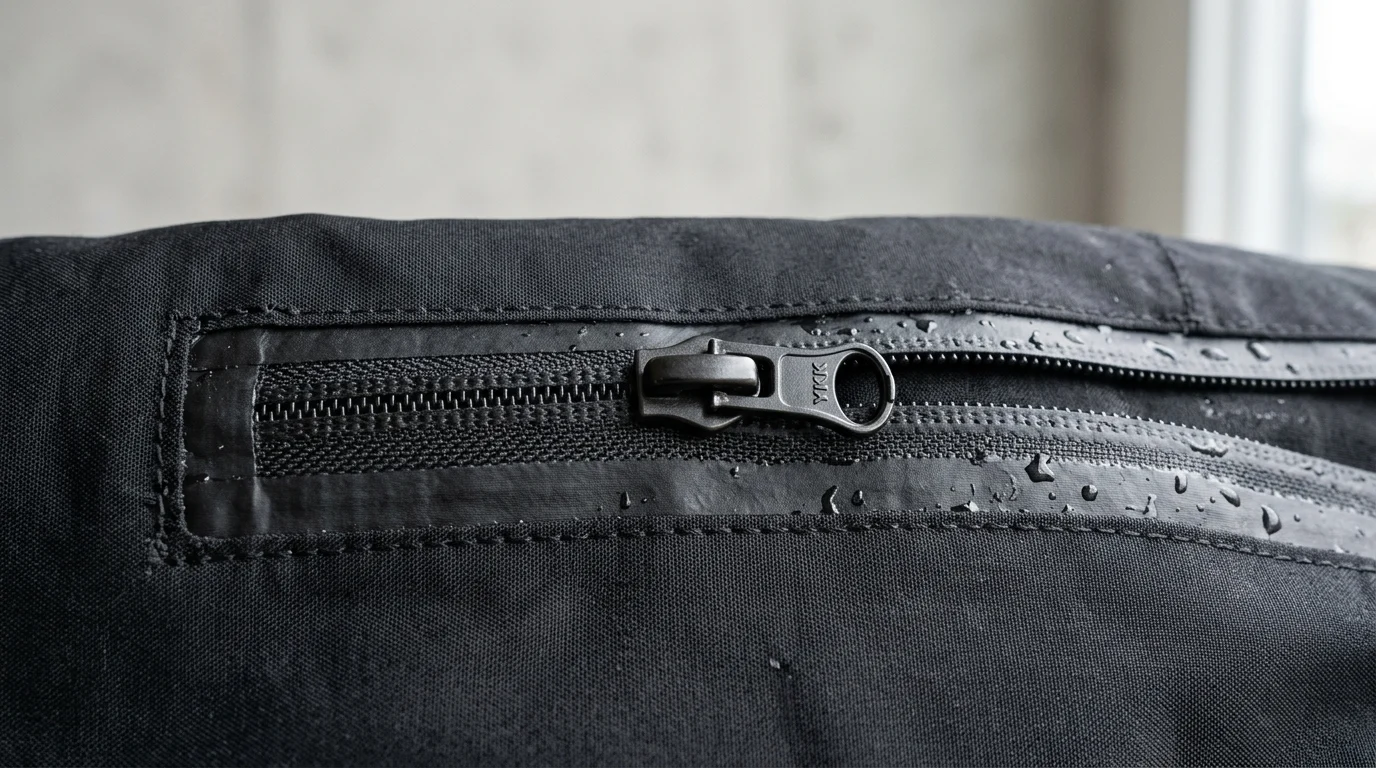
The integration of high-quality waterproof zippers directly influences the overall hydrostatic head rating of the final product. Even if a jacket fabric is rated to withstand 20,000mm of water pressure, a standard zipper will allow immediate water ingress during a downpour. By utilizing zippers coated with polyurethane (PU) or thermoplastic polyurethane (TPU), manufacturers ensure that the entire system remains sealed, thereby protecting the user from hypothermia and preserving brand trust in high-stakes environments.
Where they add value in packs and tents
Beyond apparel, these specialized closures provide immense value in load-bearing equipment like backpacks and expedition tents. A 65-liter trekking pack or a four-season mountaineering tent faces different stress vectors than a jacket, including high fabric tension and abrasion from rough terrain. Waterproof closures in these applications prevent water from pooling in gear compartments or sleeping areas, eliminating the need for cumbersome secondary storm flaps and reducing the overall weight of the product by up to 15%.
How waterproof zippers are built and specified
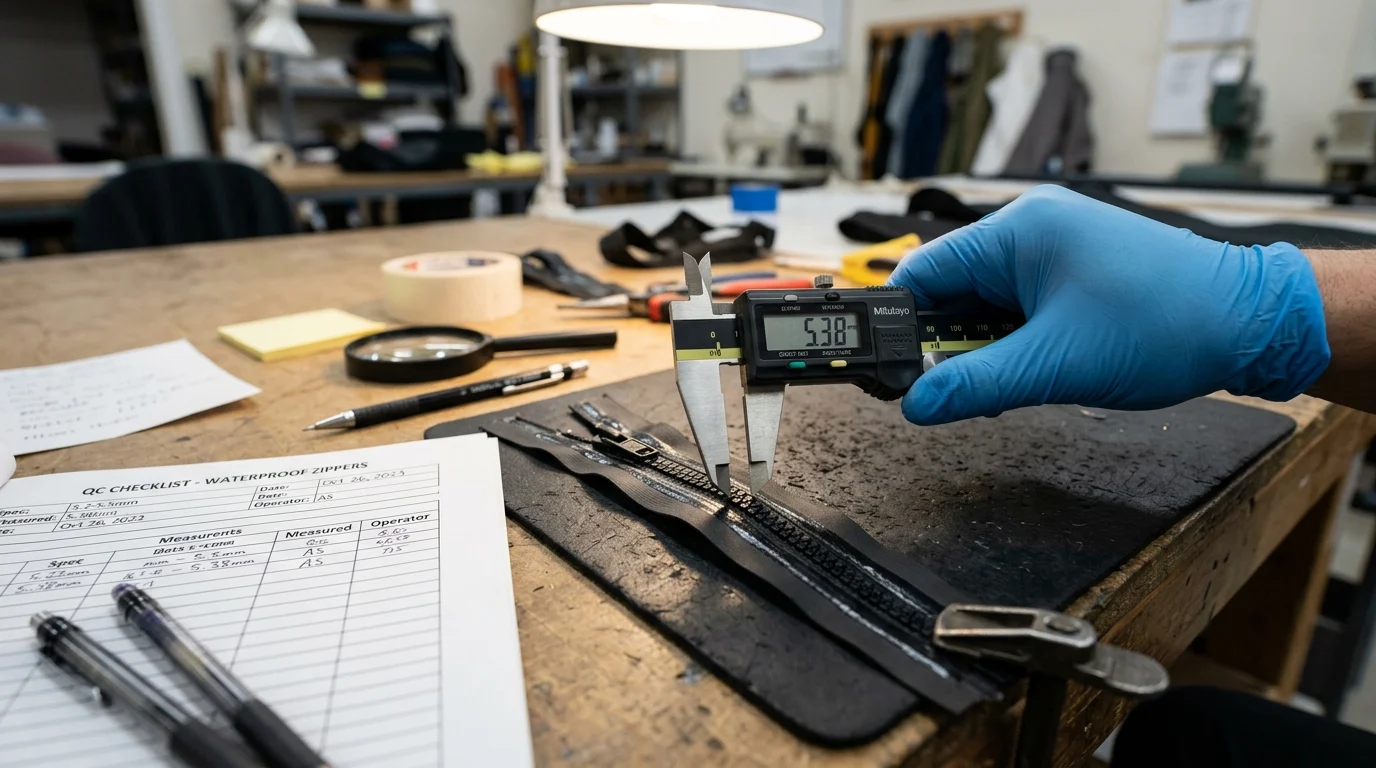
Understanding the architecture of a waterproof zipper is essential for procurement and design teams aiming to specify the correct components for their product lines. Unlike standard zippers, these variants rely on a combination of precision-engineered teeth, specialized tapes, and advanced lamination techniques to create an impermeable barrier.
Construction basics and sealing methods
The core construction of a waterproof zipper typically involves applying a continuous TPU or polyvinyl chloride (PVC) film to the reverse side of the zipper tape. During assembly, the zipper is sewn into the garment inside-out, meaning the coated surface faces the exterior to repel water, while the teeth are pushed tightly together behind the film. The thickness of this film usually ranges from 0.1mm to 0.2mm; thinner films offer better flexibility for lightweight apparel, whereas thicker films provide superior abrasion resistance for heavy-duty gear.
Types, materials, and closure designs
Buyers must navigate several closure designs, primarily categorized into coil and molded plastic (Vislon) types. Coil zippers use a continuous monofilament spiral, providing excellent flexibility and a smooth profile, while molded plastic zippers feature individual teeth injected directly onto the tape, offering superior performance in freezing conditions where ice buildup might jam a coil.
| Zipper Type | Material Base | Flexibility | Cold Weather Performance | Primary Application |
|---|---|---|---|---|
| Coil | Polyester/Nylon | High | Moderate | Rain jackets, light tents |
| Molded Plastic | Polyacetal (POM) | Moderate | Excellent | Winter parkas, heavy duffels |
| Airtight/Watertight | Extruded TPU | Low | Good | Drysuits, submersible bags |
Key selection criteria for buyers
Selecting the right specification requires evaluating gauge sizes, which dictate the width of the closed teeth. A #3 gauge (approximately 4.5mm wide) is optimal for lightweight pockets and pit-zips, minimizing bulk. A #5 gauge (approximately 6.0mm wide) serves as the industry standard for main front closures on apparel. For high-tension applications, such as heavy backpacks or heavy-duty marine gear, a #8 (approximately 8.0mm) or #10 (approximately 10.6mm) gauge is required to prevent the teeth from bursting under heavy lateral loads.
How to compare waterproof zippers
Comparing different waterproof closures requires a systematic evaluation of their mechanical and protective properties. Procurement teams must balance the specific demands of the end-user environment with the inherent limitations of zipper mechanics.
Core performance and durability specifications
Performance is primarily measured by ingress protection ratings and pressure thresholds. Standard water-resistant zippers typically achieve an IPX4 rating, meaning they can withstand splashing water from any direction. However, true airtight or submersible zippers must achieve IPX7 or IPX8 ratings. In laboratory settings, high-end submersible closures are subjected to air pressure tests, often required to hold 30 kPa to 50 kPa of internal pressure for 3 minutes without leaking, ensuring they remain watertight when fully submerged.
Trade-offs between protection, operability, and flexibility
There is an inherent trade-off between a zipper’s level of protection, its flexibility, and its operability. The heavier the TPU coating and the tighter the slider tolerance required to keep water out, the higher the sliding resistance. A standard non-waterproof #5 coil zipper may require only 0.3 kgf (kilogram-force) to operate, whereas a heavily coated waterproof equivalent might require 1.2 kgf to 1.5 kgf. Designers must ensure that the surrounding fabric is robust enough to handle this increased pull force without tearing.
Quality tests and common failure modes
Quality assurance protocols often highlight common failure modes that buyers must anticipate. The reciprocating test is standard, requiring the zipper to survive 5,000 to 10,000 open-and-close cycles without tooth failure or film delamination. The most frequent points of failure include the peeling of the waterproof film from the textile tape after prolonged UV exposure and cross-wise strength failure. A quality #5 waterproof zipper should withstand a minimum lateral pull (cross-wise strength) of 300N before the teeth separate or the tape ruptures.
How sourcing and compliance affect outcomes
The success of an outdoor product line relies heavily on the capabilities of the supply chain. Sourcing waterproof closures involves stringent qualification of manufacturing partners, navigating complex chemical compliance landscapes, and managing precise logistical variables.
Supplier qualification criteria
Supplier qualification should focus on production capacity, quality management systems (such as ISO 9001 certification), and historical defect rates. A reliable partner will maintain a defect rate below 1% and offer transparent documentation regarding their testing equipment. Furthermore, lead times are a critical metric; standard production cycles for custom waterproof closures typically range from 15 to 30 days, but this can double during peak manufacturing seasons. For detailed supplier assessments and capability inquiries, buyers can review the about us documentation of prospective manufacturing partners.
Compliance and environmental requirements
Environmental and chemical compliance is non-negotiable in the modern outdoor industry. Zippers must frequently meet OEKO-TEX Standard 100 requirements and comply with the European Union’s REACH regulations. A primary concern is the presence of phthalates in PVC coatings; compliant zippers must limit phthalate concentrations to under 0.1% by weight. Additionally, as the industry moves away from perfluorinated compounds, buyers must specify PFC-free durable water repellent (DWR) treatments for the textile tapes used in the zipper construction.
MOQ, sampling, color matching, and logistics
Logistical planning must account for Minimum Order Quantities (MOQs) and color matching tolerances. Factory MOQs for custom-dyed waterproof zippers usually start between 1,000 and 3,000 meters, or roughly 500 to 1,000 pieces per specific length and color. Color matching is evaluated using the Direct to Match (DTM) process, where the TPU film, teeth, and tape must all align with the brand’s Pantone reference. High-tier suppliers utilize spectrophotometers to ensure the color difference (Delta E) remains below 1.0, preventing visual mismatches on premium garments.
How to choose the right waterproof zipper for each use
Finalizing the exact specification for a waterproof closure requires mapping the component’s attributes directly to the intended use case. Over-specifying can lead to unnecessary costs and stiff, unyielding garments, while under-specifying guarantees field failures.
A step-by-step selection process
The selection process should follow a sequential framework. First, identify the environmental exposure: will the product face occasional rain, continuous freezing precipitation, or full submersion? Second, determine the required lateral strength to select the appropriate gauge (e.g., #3 for ultralight gear, #8 for heavy load-bearing bags). Third, select the slider mechanism, choosing between auto-lock sliders for apparel to prevent accidental unzipping, or non-lock sliders for quick-access tent doors. Finally, mandate a 72-hour salt spray test if the product is intended for marine environments. Procurement teams should always initiate this process by reaching out to suppliers to request physical samples; you can initiate this through a formal contact us inquiry to verify slider smoothness and film adhesion firsthand.
Best-fit specifications by product tier
To streamline procurement, buyers can align their specifications with established product tiers. The table below outlines the recommended zipper configurations based on the end product’s market positioning and durability requirements.
| Product Category | Recommended Gauge | Closure Type | Typical IPX Rating | Expected Cycle Life |
|---|---|---|---|---|
| Ultralight Rainwear | #3 | PU-Coated Coil | IPX4 | 5,000 cycles |
| Alpine Hard Shells | #5 | Molded Plastic (Vislon) | IPX4 to IPX5 | 10,000 cycles |
| Heavy-Duty Backpacks | #8 or #10 | Heavy PU-Coated Coil | IPX5 | 8,000 cycles |
| Submersible Duffels | #8 | Extruded Airtight TPU | IPX7 / IPX8 | 3,000 cycles |
Further reading:
Key Takeaways
- The most important conclusions and rationale for waterproof zippers
- Specs, compliance, and risk checks worth validating before you commit
- Practical next steps and caveats readers can apply immediately
Frequently Asked Questions
What zipper type is best for lightweight outdoor jackets?
A PU/TPU-coated coil zipper, usually in #3 or #5, works best. It stays flexible, keeps bulk low, and suits rain jackets and light shells.
When should I choose molded plastic waterproof zippers?
Choose molded plastic for winter parkas, heavy duffels, or cold conditions. They resist ice-related jamming better than coil zippers and handle rougher use.
Which gauge should I specify for backpacks and tents?
Use #8 or #10 for high-tension backpacks and rugged tent entries. These larger gauges better resist bursting under load and repeated stress.
Are all waterproof zippers fully watertight?
No. Most waterproof zippers are water-resistant, not fully submersible. For drysuits or submersible bags, specify airtight or watertight TPU-extruded designs instead.
How can buyers compare waterproof zippers reliably?
Check coating material, zipper type, gauge, cold-weather performance, and abrasion resistance. On TramigoBlog product-related pages, match these specs to your exact outdoor application before ordering.


