
Selecting the best reflective tape for safety clothing depends on three measurable factors: visibility performance, compliance with safety standards, and durability under real working conditions. Reflective materials are engineered to return light to the source using retroreflection, improving worker visibility in low-light environments. According to the U.S. Federal Highway Administration, reflective safety apparel can reduce nighttime accidents involving workers by up to 50% when properly used. Key conclusions include:
Higher retroreflective intensity improves detection distance
Certified materials ensure regulatory compliance
Environmental resistance determines lifespan
For buyers seeking reliable sourcing, explore reflective tape for safety clothing solutions designed for industrial applications.
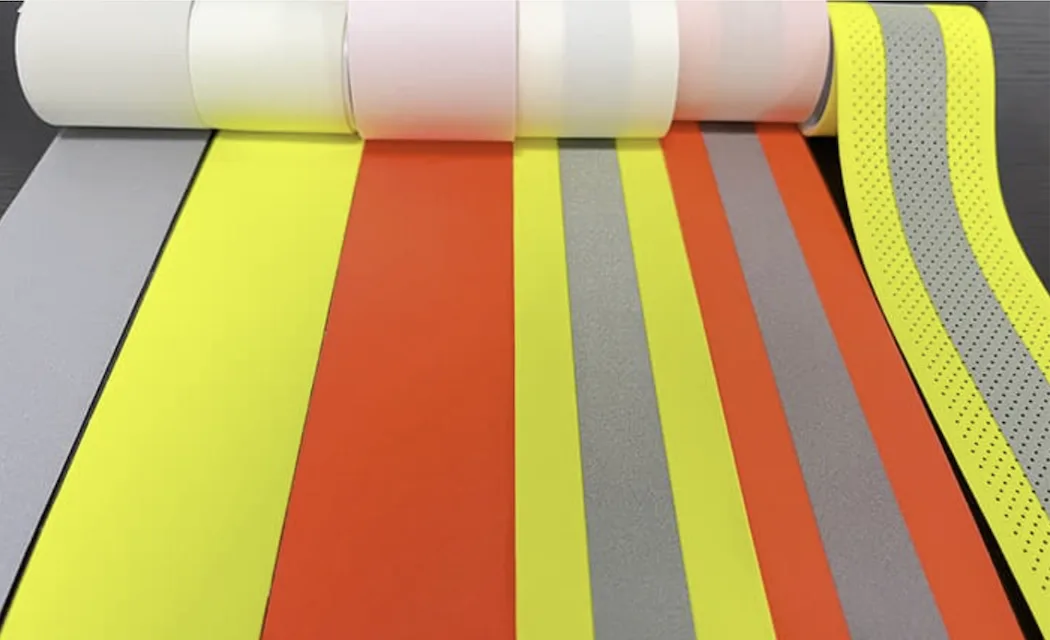
Reflective Tape Types and Visibility Performance Metrics
Reflective tape is categorized into glass bead and microprismatic technologies. Glass bead reflective tape uses spherical beads to reflect light, while microprismatic tape uses engineered prisms for higher efficiency. Microprismatic materials can deliver up to three times the brightness of glass bead alternatives under the same conditions.
A report by the National Institute for Occupational Safety and Health highlights that workers wearing high-visibility garments with reflective tape are significantly more detectable in low-light environments (source: https://www.cdc.gov/niosh/topics/highvisibility/).
| Type | Reflectivity Level | Durability | Cost Range | Typical Use Case |
|---|---|---|---|---|
|
Glass Bead |
Medium |
Moderate |
Low |
General workwear |
|
Microprismatic |
High |
High |
Medium-High |
Road & heavy industry |
To compare product options, review high visibility reflective tape engineered for different industries.
Compliance Standards for Reflective Safety Tape
Compliance with recognized safety standards ensures that reflective tape meets minimum visibility and performance requirements. The most widely adopted standards include ANSI/ISEA 107 (United States) and EN ISO 20471 (Europe). These standards define retroreflectivity, color, and placement requirements.
According to OSHA guidelines (https://www.osha.gov/high-visibility-clothing), employers must provide high-visibility apparel in hazardous environments. ANSI/ISEA 107 classifies garments into three performance classes based on risk level.
| Standard | Region | Key Requirement |
|---|---|---|
|
ANSI/ISEA 107 |
USA |
Minimum reflective area & brightness |
|
EN ISO 20471 |
Europe |
Visibility in daytime & nighttime |
|
CSA Z96 |
Canada |
Performance under extreme weather |
Certified materials can be explored via ANSI reflective tape product categories.
Durability Factors: Weather, Washing, and Abrasion Resistance
Durability determines long-term performance. Reflective tape must withstand repeated washing, UV exposure, and mechanical wear. Industrial garments typically require tape that maintains reflectivity after at least 25–50 wash cycles.
Research from the Transportation Research Board (https://www.trb.org/) indicates that reflective degradation can reduce visibility by over 30% after excessive laundering without proper material selection.
Key durability considerations include
Wash resistance
UV stability for outdoor environments
Adhesion strength for sewn or heat-applied tape
For durable options, consider industrial reflective tape designed for extended use.
Application Methods: Sew-On vs Heat Transfer Reflective Tape
Reflective tape application affects both performance and garment lifespan. Sew-on tape is mechanically attached and offers strong durability, while heat transfer tape provides flexibility and lightweight integration.
According to a study from North Carolina State University Textile Protection Lab (https://textiles.ncsu.edu/), improper application can significantly reduce retroreflective performance.
| Application Type | Advantages | Limitations |
|---|---|---|
|
Sew-On |
High durability, stable attachment |
Less flexible |
|
Heat Transfer |
Lightweight, flexible |
Requires precise application |
Explore flexible options like heat transfer reflective tape for modern workwear design.
Color and Contrast: Enhancing Daytime and Nighttime Visibility
Reflective tape is most effective when combined with fluorescent background materials. ANSI standards require specific color combinations such as fluorescent yellow-green or orange-red.
The Federal Motor Carrier Safety Administration notes that contrast between reflective tape and garment background significantly improves detection distance (https://www.fmcsa.dot.gov/).
Important considerations include
Daytime visibility (fluorescent colors)
Nighttime visibility (retroreflective strips)
Contrast placement for human recognition
For optimized visibility, evaluate fluorescent reflective tape combinations.
Industry-Specific Selection: Matching Tape to Work Environment
Different industries require tailored reflective solutions. Construction, transportation, and emergency services each have unique risk profiles.
The Bureau of Labor Statistics reports that transportation incidents remain a leading cause of workplace fatalities (https://www.bls.gov/), reinforcing the need for proper visibility gear.
Typical industry requirements
Roadwork: high-intensity microprismatic tape
Warehousing: flexible, lightweight tape
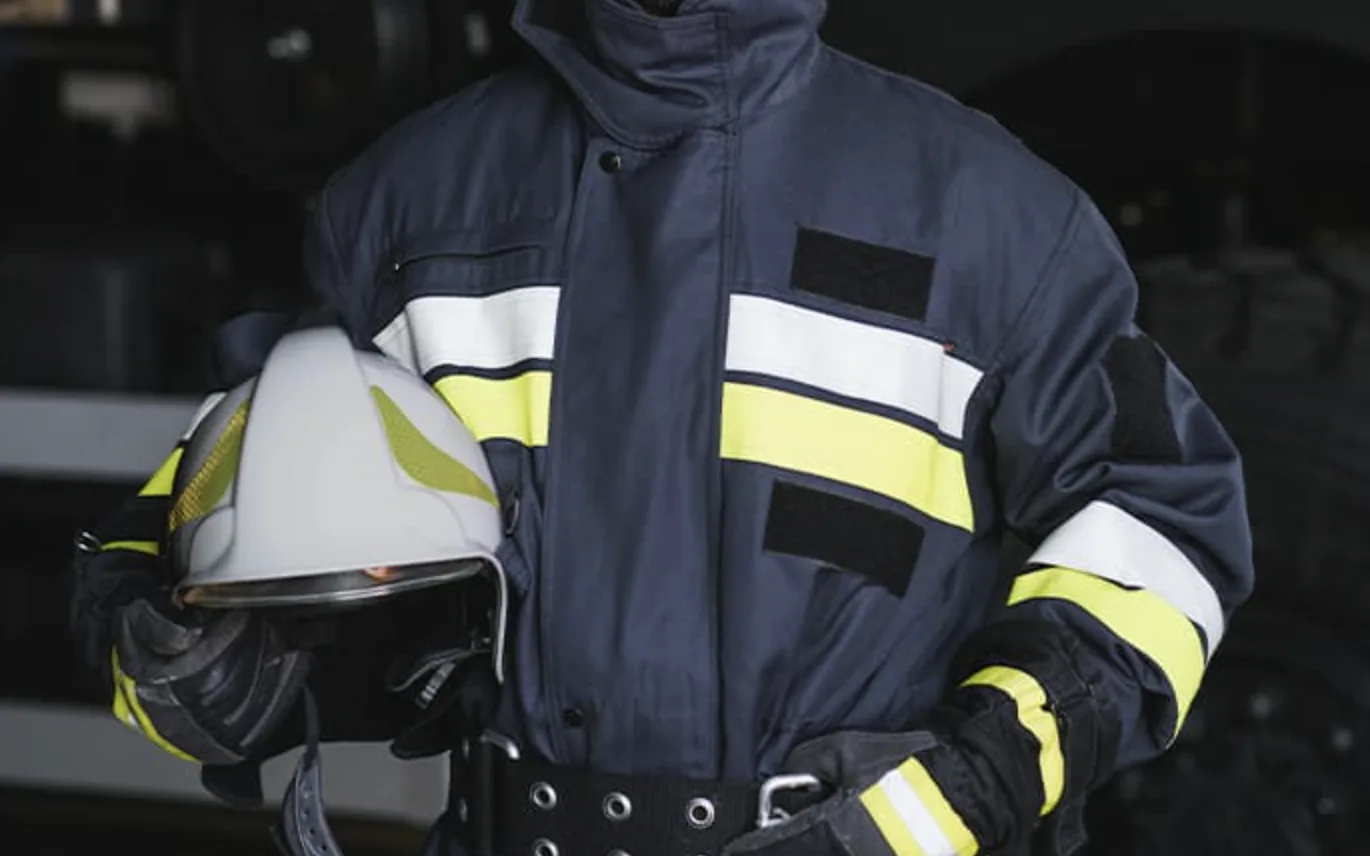
Emergency services: flame-resistant reflective materials
Industry-specific products can be found through safety reflective tape suppliers.
Cost vs Performance: Evaluating Long-Term Value
Initial cost should be evaluated against lifespan and compliance. Lower-cost tape may degrade faster, leading to higher replacement frequency. A lifecycle cost approach provides better value assessment.
A report from the National Safety Council (https://www.nsc.org/) emphasizes that investing in proper safety equipment reduces long-term operational risks and costs.
Key evaluation metrics
Cost per wash cycle
Compliance lifespan
Replacement frequency
Higher upfront investment in durable materials often reduces total cost of ownership.
Key Takeaways for Choosing Reflective Tape
Selecting reflective tape requires balancing visibility, compliance, durability, and cost. The most effective strategy includes:
Selecting certified materials (ANSI/EN standards)
Choosing microprismatic technology for high-risk environments
Ensuring durability for washing and weather exposure
Matching application method to garment design
These criteria ensure consistent performance and regulatory alignment.
FAQ
What is reflective tape used for in safety clothing?
Reflective tape enhances visibility by reflecting light back to its source. This function improves worker detection in low-light conditions such as nighttime or fog. Reflective tape is commonly applied to jackets, vests, and uniforms used in construction, transportation, and emergency response.
How to choose between glass bead and microprismatic reflective tape?
Glass bead tape is suitable for low-risk environments due to moderate reflectivity. Microprismatic tape provides higher brightness and longer visibility distances, making it appropriate for high-risk settings such as highways or heavy machinery zones.
Does reflective tape lose effectiveness after washing?
Reflective tape can degrade after repeated washing cycles, especially if not designed for industrial laundering. High-quality tape maintains performance after 25–50 washes. Proper care instructions and certified materials help extend usability.
What standards should reflective tape meet?
Reflective tape should comply with ANSI/ISEA 107 or EN ISO 20471 standards. These standards define brightness, color, and placement requirements to ensure consistent visibility and safety performance across industries.
Can reflective tape be applied to any fabric?
Reflective tape compatibility depends on application method and fabric type. Heat transfer tape works best on smooth synthetic fabrics, while sew-on tape is more versatile. Fabric composition and intended use should guide the selection process.


