
EN ISO 20471 is the internationally recognized standard defining requirements for high-visibility clothing used in occupational environments where workers are exposed to traffic, machinery, or low-light conditions. The standard establishes measurable criteria for fluorescent background materials and retroreflective materials, including reflective tape certification requirements used in safety garments.
In practical terms, EN ISO 20471 compliance ensures that safety clothing standards are not subjective but based on tested performance metrics such as luminance, reflective geometry, and minimum visible surface area. This is critical in sectors like construction, logistics, rail infrastructure, and road maintenance, where reflective safety directly correlates with accident prevention.
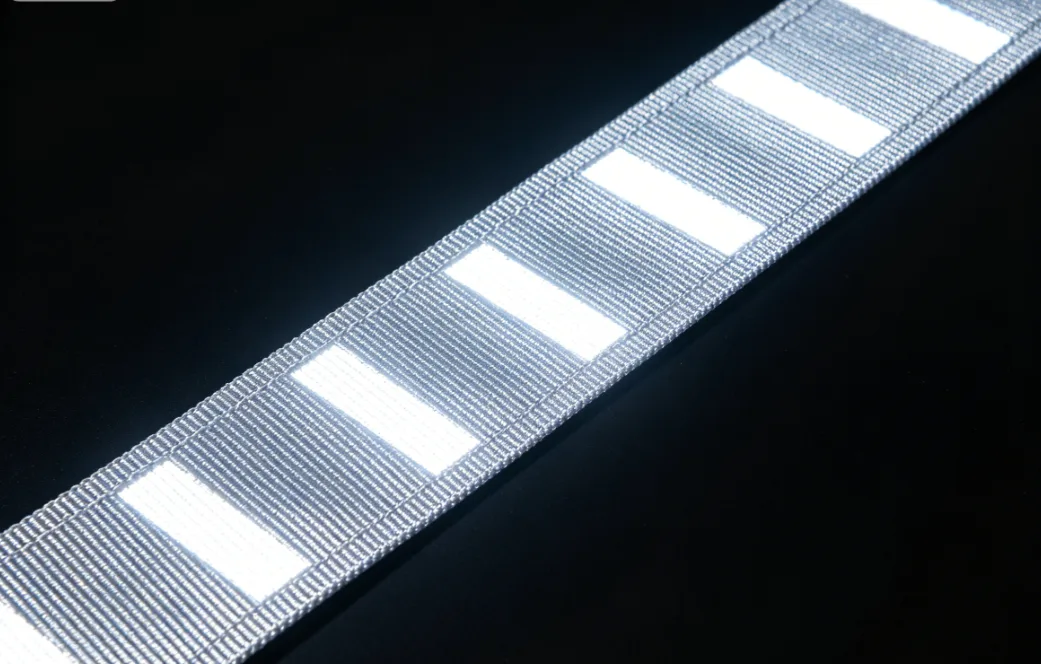
EN ISO 20471 Standard Structure and Reflective Safety Classification System
EN ISO 20471 defines three main visibility classes based on minimum required surface area of fluorescent and retroreflective materials. These classes determine suitability for different risk environments.
EN ISO 20471 classification overview
| Class | Minimum Background Material | Reflective Tape Requirement | Typical Work Environment |
|---|---|---|---|
|
Class 1 |
Lowest visibility coverage |
Minimal reflective tape certification requirement |
Warehouse, low-risk indoor zones |
|
Class 2 |
Moderate coverage requirement |
Increased reflective safety strip placement |
Roadside workers, delivery operations |
|
Class 3 |
Highest visibility coverage |
Maximum reflective tape surface distribution |
High-speed traffic zones, emergency response |
The classification system ensures proportional risk mitigation. Higher-speed environments require larger reflective surfaces and more continuous reflective tape placement to maintain visibility under vehicle headlights.
Compliance under EN ISO 20471 is not optional in regulated environments; it is embedded into procurement specifications for public infrastructure projects across the EU and widely adopted internationally.
Technical Requirements of EN ISO 20471 Reflective Tape Certification
Reflective tape used in compliant garments must meet defined photometric and physical durability requirements. These parameters ensure consistent reflective performance over time and under environmental stress.
Key performance requirements in reflective tape certification
| Performance Category | Requirement Description | Testing Reference |
|---|---|---|
|
Retroreflection |
Minimum coefficient of reflection under standardized angles |
EN ISO photometric test methods |
|
Wash durability |
Resistance to repeated industrial laundering cycles |
ISO textile durability protocols |
|
Weather resistance |
Performance under UV exposure, rain, and temperature cycling |
Environmental exposure testing |
|
Adhesion strength |
Bond stability between tape and garment substrate |
Mechanical peel resistance testing |
These requirements ensure that reflective safety remains consistent even after prolonged industrial use. Failure in any category can result in non-compliance with EN ISO 20471 safety clothing standards.
Related internal product references:
[High-Visibility Reflective Tape for Workwear Applications]
[Industrial Grade Retroreflective Fabric Solutions]
[EN ISO 20471 Certified Safety Vest Materials]
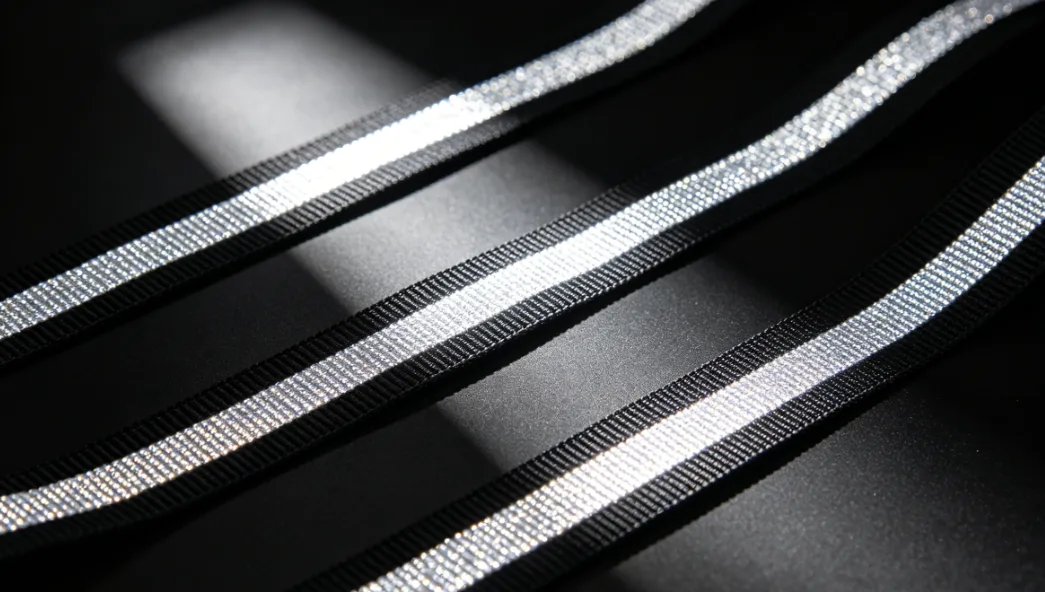
EN ISO 20471 Compliance Testing and Certification Process
Compliance is validated through structured laboratory and field testing. Certification bodies evaluate garment design, material composition, and reflective tape certification performance under controlled conditions.
EN ISO 20471 compliance workflow
| Stage | Description | Output |
|---|---|---|
|
Material validation |
Testing fluorescent and reflective components |
Material compliance report |
|
Garment construction review |
Assessment of tape placement and coverage |
Design conformity approval |
|
Photometric testing |
Measurement of retroreflective performance |
Visibility compliance certificate |
|
Durability testing |
Washing, abrasion, and environmental simulation |
Lifecycle performance rating |
Compliance is typically assessed by accredited third-party laboratories. Certification is required before products can be legally marketed as EN ISO 20471 compliant within regulated jurisdictions.
Material Science Behind Reflective Safety and Safety Clothing Standards
Reflective tape used in EN ISO 20471 garments relies on microprismatic or glass bead technology. These structures redirect incident light back toward its source, improving visibility under artificial lighting conditions.
Microprismatic systems are commonly used in modern reflective tape certification due to higher retroreflective efficiency and longer operational lifespan. Glass bead systems remain relevant for cost-sensitive applications but may degrade faster under abrasion.
Comparison of reflective technologies
| Technology Type | Reflective Efficiency | Durability | Common Use Case |
|---|---|---|---|
|
Glass bead tape |
Moderate |
Medium |
Entry-level safety clothing |
|
Microprismatic tape |
High |
High |
EN ISO 20471 Class 2–3 garments |
|
Hybrid systems |
Variable |
High |
Specialized industrial PPE |
Material selection directly influences EN ISO 20471 compliance outcomes, particularly in Class 3 garments where maximum visibility is required.
Application Environments for EN ISO 20471 Reflective Safety Garments
Different operational environments require different compliance levels under EN ISO 20471. Risk assessment determines whether Class 1, 2, or 3 garments are required.
Typical application mapping
-
Construction and roadwork: High-speed traffic exposure requires Class 3 reflective safety garments
-
Logistics and warehousing: Indoor/outdoor hybrid environments typically use Class 2 safety clothing standards
-
Rail infrastructure maintenance: Requires continuous high-visibility coverage due to multi-directional hazards
-
Emergency response services: Full-body reflective tape coverage ensures visibility in unpredictable lighting conditions
Regulatory frameworks such as OSHA guidance and EU PPE directives reinforce these classifications to reduce occupational injury rates.
Internal Compliance Design Considerations for Manufacturers
Manufacturers designing EN ISO 20471 compliant garments must integrate reflective tape placement into garment architecture rather than treating it as an add-on component. Poor placement can lead to certification failure even if materials are compliant.
Key design constraints include:
Minimum uninterrupted reflective strip width
-
Symmetrical placement around torso and limbs
-
Compatibility with garment movement zones
-
Heat transfer and stitching integrity under industrial use
Internal product development often references modular systems such as:
[Segmented Reflective Tape Layout Systems]
-
[High-Durability Safety Fabric Base Layers]
-
[Ergonomic High-Visibility Work Jacket Platforms]
These design choices directly influence compliance success rates during certification testing.
Key Takeaways on EN ISO 20471 Compliance and Reflective Safety
EN ISO 20471 establishes a structured, performance-based framework for safety clothing standards that governs how reflective materials are evaluated and applied. Reflective tape certification ensures that visibility performance is measurable, repeatable, and resistant to environmental degradation.
Core conclusions:
1.EN ISO 20471 defines minimum visibility thresholds based on risk exposure levels.
2.Reflective tape certification is central to garment compliance and must pass photometric and durability testing.
3.Safety clothing standards integrate material science, garment design, and regulatory enforcement into a unified system.
FAQ: EN ISO 20471 Reflective Safety and Compliance
1. What is EN ISO 20471 in safety clothing standards?
EN ISO 20471 is an international standard defining requirements for high-visibility clothing used in hazardous environments. It specifies minimum surface area, reflective performance, and color requirements to ensure workers remain visible under daylight and low-light conditions across industrial applications.
2. How does reflective tape certification work under EN ISO 20471?
Reflective tape certification involves laboratory testing of retroreflective performance, durability under washing, and resistance to environmental exposure. The tape must maintain visibility performance across standardized angles and conditions to qualify for compliant safety garments.
3. What is the difference between Class 2 and Class 3 EN ISO 20471 garments?
Class 2 garments provide moderate visibility for medium-risk environments, while Class 3 garments offer the highest visibility coverage required in high-speed traffic zones or emergency response situations. The difference is primarily based on minimum material surface area and reflective tape distribution.
4. Why is EN ISO 20471 important for workplace safety compliance?
EN ISO 20471 ensures that visibility is measurable and standardized, reducing subjectivity in safety garment design. Compliance supports regulatory alignment with occupational safety authorities such as OSHA and EU PPE directives, improving hazard prevention in dynamic environments.
5. What materials are used in EN ISO 20471 reflective safety products?
Common materials include fluorescent polyester fabrics for background visibility and microprismatic or glass bead reflective tapes for retroreflection. Material selection directly affects durability, compliance level, and long-term performance in industrial conditions.


