
Eco-friendly nylon zippers have gained popularity for their sustainable qualities and versatility in various nylon zipper applications, including fashion and outdoor gear. Unlike traditional nylon, which is derived from petroleum and contributes to pollution, eco-friendly options help mitigate environmental impacts. The development of durable nylon zippers is crucial for maximizing their lifespan and performance. Additionally, the introduction of custom degradable nylon zippers aligns with the growing demand for environmentally responsible products. Adhering to export standards for eco-friendly zippers ensures that these innovative solutions can be shared globally while promoting sustainability.
Key Takeaways
- Eco-friendly nylon zippers reduce environmental impact by using recycled materials, making them a sustainable choice for fashion and outdoor gear.
- These zippers offer enhanced durability, maintaining strength and functionality even after extensive use, which benefits both consumers and manufacturers.
- Proper maintenance, such as regular cleaning and lubrication, can significantly extend the lifespan of eco-friendly nylon zippers, ensuring reliable performance.
Applications of Eco-friendly Nylon Zippers in Fashion
Sustainable Clothing
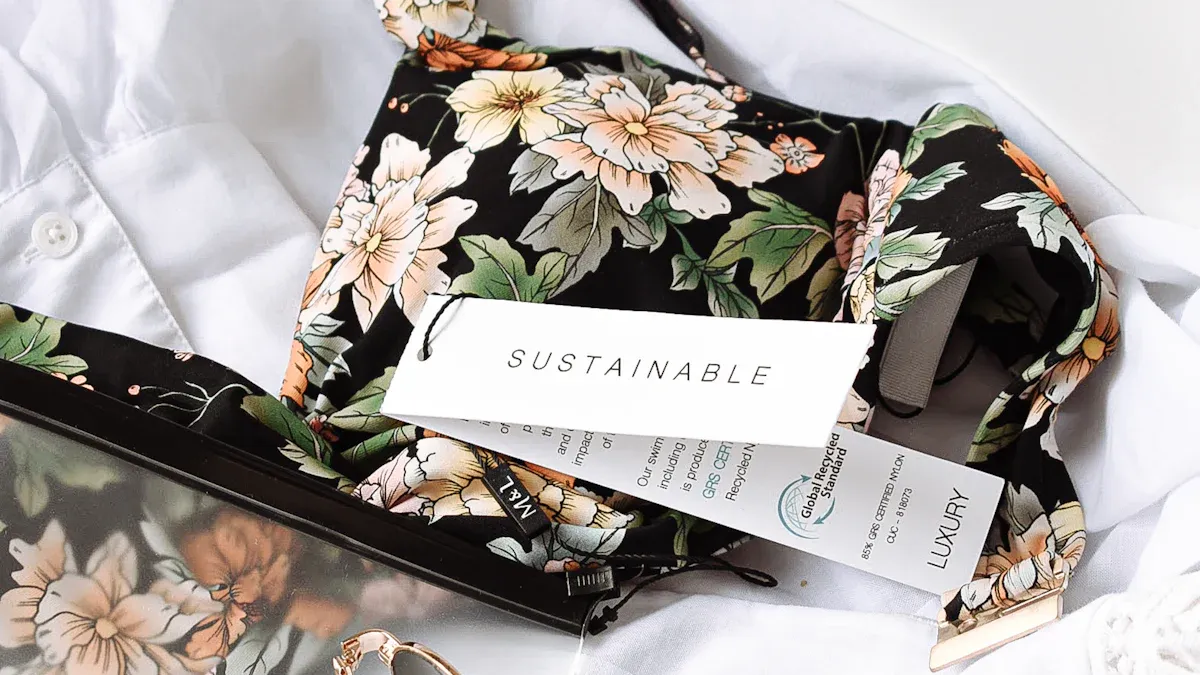
Eco-friendly nylon zippers play a crucial role in sustainable clothing. Designers increasingly choose these zippers to align with eco-conscious practices. The use of recycled materials in zipper production significantly reduces environmental impact. For instance, Oerlikon Riri introduced recyclable zippers in 2021, utilizing 100% recycled, post-consumer polyester. This innovation reduces emissions from polyester production by 32%. Their materials hold certifications from the Global Recycled Standard (GRS) and the Global Organic Textile Standard (GOTS), ensuring that they meet high sustainability standards.
The benefits of using eco-friendly nylon zippers in sustainable clothing include:
- Reduced Carbon Footprint: By using recycled materials, brands can lower their overall carbon emissions.
- Enhanced Durability: These zippers maintain strength and functionality, contributing to the longevity of garments.
- Consumer Appeal: As awareness of environmental issues grows, consumers increasingly prefer products that reflect their values.
| Eco-Friendly Zipper Line | Key Features | Environmental Impact |
|---|---|---|
| GreenRise® | Made from plant-based material (molasses) | Reduces CO2 emissions |
| Natulon® (Post-Consumer) | Made from recycled polyester (chemically and mechanically) | Infinitely recyclable, uses recycled water bottles |
| Ocean Sourced® | Plastics collected from oceans and waterways | Reduces ocean waste |
| Eco-Dye® | Waterless dyeing technique | Saves water, no pollution released |
Accessories and Bags
Eco-friendly nylon zippers are also essential in the production of accessories and bags. Manufacturers recognize the importance of durability in these products. The durability of eco-friendly nylon zippers ensures that bags can withstand daily wear and tear. For example, recycled nylon retains up to 90% of the tensile strength of virgin nylon, providing reliable performance.
The interlocking design of zipper teeth optimizes wear resistance, preventing fraying or separation even after thousands of cycles. Additionally, for outdoor bags, choosing zippers with water-repellent coatings enhances their functionality.
| Durability Aspect | Description |
|---|---|
| Material Strength | Recycled nylon retains up to 90% of the tensile strength of virgin nylon, ensuring reliable performance. |
| Wear Resistance | The interlocking design of the zipper teeth is optimized to prevent fraying or separation, even after thousands of cycles. |
| Weather Resistance | For outdoor use, choose zippers with water-repellent coatings or tape treatments (ensure these are PFC-free). |
| UV Resistance | Critical for products exposed to sunlight—verify fade resistance through testing or supplier data. |
| Wash Durability | Ensure the zipper can endure multiple wash cycles without degradation. |
As consumer awareness of sustainability increases, the demand for eco-friendly nylon zippers in fashion continues to grow. Manufacturers are responding by creating biodegradable or recycled nylon zippers to meet consumer preferences. This trend is particularly strong in regions like Europe, where sustainable fashion is emphasized.
Applications of Eco-friendly Nylon Zippers in Outdoor Gear
Hiking and Camping Equipment
Eco-friendly nylon zippers are essential in hiking and camping gear. Manufacturers often utilize materials like recycled PET (rPET) for their zippers. This material comes from post-consumer plastic bottles, providing strength and flexibility without sacrificing performance. Other sustainable options include organic cotton and natural fibers, which help reduce environmental impact. The table below outlines common materials used in eco-friendly zippers for outdoor equipment:
| Material Type | Description |
|---|---|
| Recycled PET (rPET) | Made from post-consumer plastic bottles, offering strength and flexibility without performance loss. |
| Organic Cotton | Pesticide-free cotton that is sustainably farmed, reducing environmental impact. |
| Natural Fibers | Incorporates plant-based or biodegradable fibers to minimize carbon footprint. |
| Recycled Metal Alloys | Utilizes recycled brass and other metals for zippers, conserving resources and reducing mining impact. |
Sportswear and Activewear
In sportswear and activewear, eco-friendly nylon zippers enhance performance and sustainability. These zippers maintain flexibility and smooth operation in freezing temperatures, making them ideal for extreme cold conditions. In contrast, molded plastic zippers may become stiff, hindering performance. Additionally, metal zippers do not offer advantages in cold-weather performance and can add unnecessary weight.
Outdoor enthusiasts appreciate the durability and functionality of eco-friendly nylon zippers. They withstand rigorous activities while contributing to a more sustainable future. As the demand for eco-friendly products grows, manufacturers continue to innovate, ensuring that outdoor gear remains both functional and environmentally responsible.
Applications of Eco-friendly Nylon Zippers in Home Textiles
Bedding and Upholstery
Eco-friendly nylon zippers find significant applications in bedding and upholstery. Manufacturers often choose these zippers for their durability and sustainability. They enhance the overall quality of products like comforters, pillowcases, and upholstered furniture. The use of recycled materials in these zippers aligns with eco-friendly practices, appealing to environmentally conscious consumers.
- Durability: Eco-friendly nylon zippers resist wear and tear, ensuring that bedding items last longer.
- Aesthetic Appeal: These zippers come in various colors and styles, allowing designers to create visually appealing products.
- Easy Maintenance: Many eco-friendly zippers are machine washable, making them practical for everyday use.
Curtains and Drapes
In the realm of curtains and drapes, eco-friendly nylon zippers serve both functional and aesthetic purposes. They provide a seamless look while ensuring ease of use. Homeowners appreciate the smooth operation of these zippers, which allows for effortless opening and closing of window treatments.
Tip: When selecting zippers for curtains, consider options with UV resistance. This feature helps prevent fading and prolongs the life of the fabric.
The integration of eco-friendly nylon zippers in home textiles not only supports sustainability but also enhances the functionality and style of various products. As the demand for eco-conscious home goods rises, manufacturers increasingly adopt these zippers to meet consumer expectations.
Ensuring the Durability of Eco-friendly Nylon Zippers
Material Quality
The durability of eco-friendly nylon zippers largely depends on the quality of materials used in their construction. Manufacturers prioritize high-performance materials to ensure longevity and reliability. Key features that contribute to the durability of these zippers include:
| Feature | Material/Technology | Benefit |
|---|---|---|
| Zipper Teeth | Recycled nylon or bio-based polymers | High tensile strength, smooth glide, and resistance to breakage |
| Tape Material | Recycled PET or organic cotton | Reduces plastic waste and supports biodegradability |
| Coating | Water-based, non-PFC finishes | Provides water resistance without harmful chemicals |
| Corrosion Resistance | Anti-oxidation treatments | Extends life in humid or marine environments |
Eco-friendly nylon zippers are designed to withstand repeated use and mechanical stress. They resist fraying, breaking, and misalignment due to high-quality recycled materials. These zippers undergo rigorous testing for wash resistance, ensuring they endure multiple laundry cycles without losing functionality.
Maintenance Tips
Proper maintenance is essential for extending the lifespan of eco-friendly nylon zippers. Following these recommended practices can help maintain their performance:
- Regularly clean zippers with mild detergents to remove dirt and debris.
- Use appropriate lubricants like paraffin wax or silicone spray to minimize friction.
- Protect zippers from environmental factors such as UV light, salt, and moisture.
- Store zippers in a cool, dry place to prevent damage from humidity and temperature fluctuations.
- Handle zippers carefully to avoid mechanical abrasion.
By adhering to these maintenance tips, users can significantly enhance the durability of their eco-friendly nylon zippers.
Performance Under Different Conditions
Eco-friendly nylon zippers are engineered to perform well under various conditions. They are designed to endure repeated use and stress across multiple applications, including fashion, outdoor gear, and industrial uses. These zippers can withstand over 10,000 open/close cycles, demonstrating their effectiveness under repeated use.
- Ideal for outdoor equipment like tents and backpacks, where reliability under extreme conditions is crucial.
- Engineered to resist moisture, UV exposure, and temperature fluctuations, making them suitable for rugged environments.
Innovations in zipper technology continue to improve durability. For instance, high-tensile nylon coils provide exceptional strength, while corrosion-resistant sliders enhance longevity. Manufacturers also focus on reinforced stitching and moisture resistance to protect zippers from damage in wet conditions.
By selecting high-quality materials and following proper maintenance practices, users can ensure that eco-friendly nylon zippers remain functional and reliable for years to come.
Eco-friendly nylon zippers provide a sustainable choice across various industries. They reduce plastic waste and lower carbon footprints while enhancing product durability. Incorporating these zippers into projects promotes the ‘buy less, buy better’ ethos. Consider using eco-friendly nylon zippers for both environmental benefits and practical performance.
| Contribution to Sustainability Goals | Description |
|---|---|
| Reduces Plastic Waste | By using recycled materials, eco-friendly nylon zippers help decrease the amount of plastic waste in the environment. |
| Lowers Carbon Footprint | The production of these zippers typically involves processes that emit fewer greenhouse gases compared to traditional materials. |
FAQ
What materials are used in eco-friendly nylon zippers?
Eco-friendly nylon zippers often use recycled PET, organic cotton, and bio-based polymers, reducing environmental impact while maintaining durability.
How can I maintain eco-friendly nylon zippers?
Regular cleaning, lubrication, and protection from extreme conditions help maintain the performance and longevity of eco-friendly nylon zippers.
Are eco-friendly nylon zippers as durable as traditional zippers?
Yes, eco-friendly nylon zippers offer comparable durability to traditional zippers, often featuring high tensile strength and resistance to wear and tear.


