
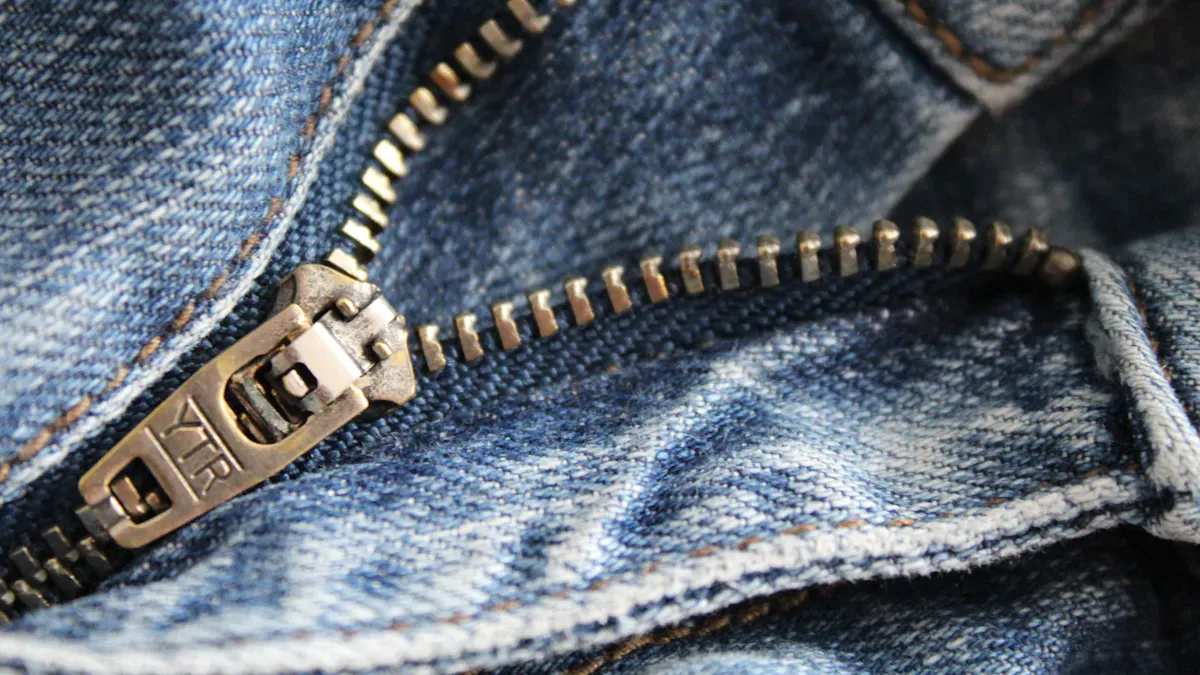
Metal zippers require proper care to prevent damage, especially when it comes to outdoor jacket zippers. Simple habits can keep them working smoothly, ensuring that metal zippers for tactical jackets remain reliable in demanding conditions. Regular maintenance not only extends the life of custom metal zippers for outdoor apparel but also saves consumers significant money. For instance, opting for repairs instead of buying new luggage can save 70–90%, making it a smart choice for those who also consider high-security resin zippers and waterproof metal zippers for their gear.
Key Takeaways
- Regularly clean and lubricate metal zippers every 1–2 months to prevent corrosion and ensure smooth operation.
- Inspect zippers for wear and damage frequently. Addressing issues early can save you from costly repairs.
- Store metal zippers in a cool, dry place and keep them unzipped to extend their lifespan and maintain functionality.
Best Practices for Using Metal Zippers
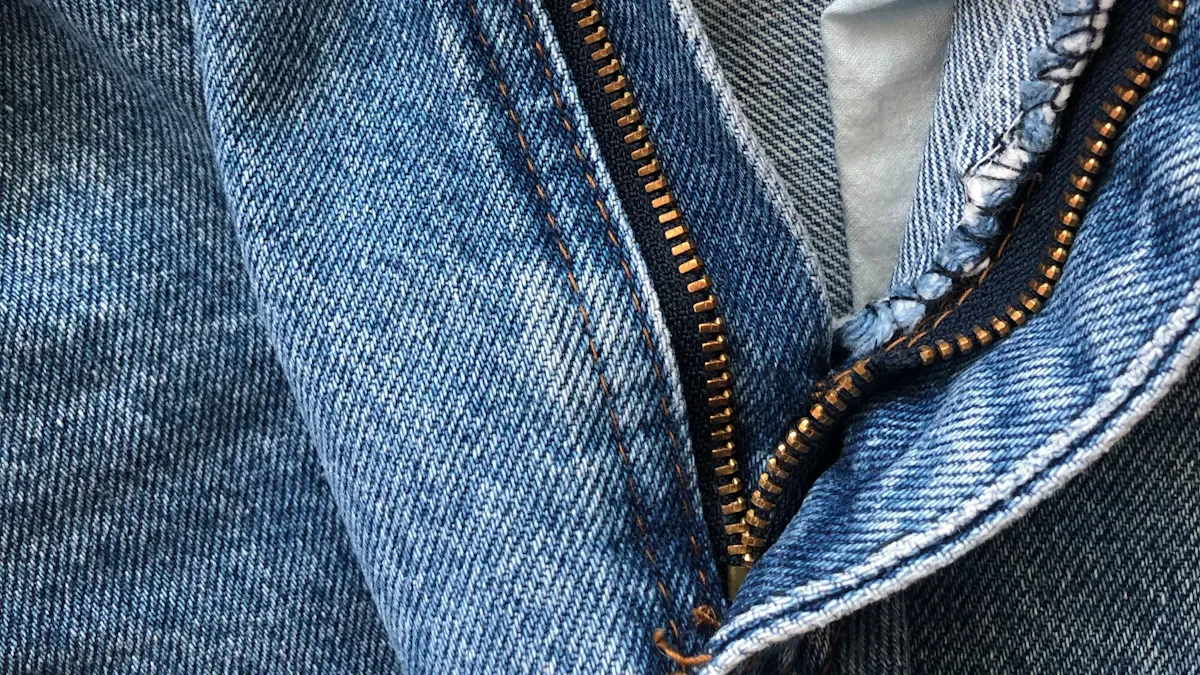
To ensure the longevity of metal zippers, users should adopt several best practices. These practices not only enhance functionality but also prevent common issues that lead to zipper damage.
-
Avoid Excessive Force: Users should refrain from applying excessive force when zipping or unzipping. This action can misalign or damage the teeth, leading to costly repairs. Instead, they should gently guide the zipper to ensure smooth operation.
-
Regular Inspections: Regularly inspecting zippers for wear is crucial. Users should check for loose threads, fraying, or any signs of damage. Addressing these issues early can prevent further complications.
-
Choose Durable Materials: Selecting high-quality metal zippers for high-stress applications is essential. Poor material choices can lead to premature failure, especially in demanding environments.
To further enhance zipper performance, users can follow these recommended techniques for opening and closing metal zippers:
| Maintenance Step | Recommended Action | Potential Risk if Ignored | Tools/Products Needed |
|---|---|---|---|
| Lubrication | Apply wax or zipper glide every 1–2 months | Stiff movement, slider jamming | Paraffin wax, zipper lubricant |
| Washing | Close zipper, use mesh bag, mild detergent | Broken teeth, dented sliders | Mesh laundry bag, gentle soap |
| Drying | Air-dry flat or hanging | Warping, corrosion | Drying rack, clean towel |
| Storage | Store in dry, dust-free environment | Rust, plating degradation | Garment bags, silica gel packets |
In addition to these practices, users should be mindful of environmental factors. High temperatures can soften or make zipper materials brittle, reducing durability. Humidity can cause zippers to absorb moisture, leading to swelling and decreased performance. Metal zippers are also susceptible to oxidation, which can result in rust formation. This not only affects appearance but also increases friction, leading to jamming.
To avoid snagging and misalignment, users should adopt the following habits:
| Habit Frequency | Action | Why It Works |
|---|---|---|
| Daily | Check zipper tapes for loose threads or fraying before packing. | Prevents fabric from entering the slider, as 92% of snags occur near stops. |
| After Every Trip | Wipe zipper teeth with a dry cloth and store unzipped. | Removes moisture and debris, preventing deformation. |
| Monthly | Apply zipper wax to main zippers. | Reduces friction by up to 40%, enhancing zipper performance. |
| Seasonally | Inspect sliders for wear. | Early detection of wear can prevent costly repairs. |
By implementing these best practices, users can significantly extend the life of their metal zippers, ensuring they remain functional and reliable for years to come.
Routine Maintenance Tips for Metal Zippers
Routine maintenance plays a crucial role in extending the life of metal zippers. By implementing simple yet effective practices, users can prevent corrosion and ensure smooth operation. Here are some essential maintenance tips:
-
Clean After Exposure: After using metal zippers in saltwater or sandy environments, rinse them thoroughly with fresh water. This step removes harmful salt and debris that can lead to corrosion.
-
Brush Away Debris: Use a small brush, such as an old toothbrush, to gently remove salt, sand, and dirt from all zipper components. This action prevents buildup that can hinder zipper functionality.
-
Dry Completely: Ensure that the zipper is completely dry before folding or storing it. Moisture can lead to corrosion, even in corrosion-resistant molded tooth zippers.
-
Regular Lubrication: Apply a zipper lubricant designed specifically for metal zippers. Products like the ZippyCool™ Kit and Iosso® E-Z Snap Zipper & Snap Lubricant are excellent choices. Regular lubrication reduces friction and enhances functionality by forming a protective layer between the teeth.
-
Follow Product Instructions: Consistently apply lubricant according to the product instructions. This practice maximizes zipper performance and longevity.
By following these maintenance tips, users can significantly improve the functionality and smoothness of their metal zippers. Regular cleaning removes dirt and debris, ensuring effortless operation. Lubrication reduces friction, while proper alignment of zipper teeth prevents snags and resistance.
Incorporating these practices into a regular maintenance routine will help users enjoy the reliability of their metal zippers for years to come.
Cleaning Metal Zippers
Cleaning metal zippers regularly is essential for maintaining their functionality and appearance. Users should adopt effective cleaning methods to prevent dirt and debris buildup. Here are some recommended steps for cleaning metal zippers:
-
Brush Away Loose Debris: Use a soft, dry toothbrush to remove dust and fibers from the zipper. This simple action prevents buildup that can hinder zipper movement.
-
Prepare a Cleaning Solution: Mix warm water with a neutral detergent. Scrub along the zipper chain with this solution to remove grime. For stubborn dirt, move the slider up and down while brushing to dislodge trapped debris.
-
Rinse Thoroughly: After cleaning, rinse the zipper with clean water to eliminate any detergent residue. This step is crucial to prevent corrosion.
-
Address Salt Accumulation: For zippers exposed to saltwater, mix equal parts white vinegar and water. This solution effectively dissolves salt crystals that can cause damage.
To ensure users select safe and effective cleaning agents, the following table outlines recommended and avoided substances:
| Action | Recommended | Avoid |
|---|---|---|
| Cleaning Agent | Citric acid solution, diluted white vinegar | Undiluted vinegar, bleach, ammonia |
For optimal results, users can consider specialized products designed for zipper maintenance. The table below highlights some effective options:
| Product Name | Description |
|---|---|
| ZippyCool™ Kit | A two-step system with a Cleaning Fluid and Lubricating Stick for all types of zippers. |
| Iosso® E-Z Snap Zipper & Snap Lubricant | Excellent for maintaining zippers. |
| McLube™ Sailkote | A dry lubricant that prevents dirt and contaminants. |
Regular cleaning is vital, especially after trips to coastal areas or when zippers experience heavy exposure to moisture. By following these cleaning techniques, users can ensure their metal zippers remain functional and visually appealing.
Lubrication Techniques for Metal Zippers
Proper lubrication is essential for maintaining the functionality and longevity of metal zippers. Regular application of the right lubricant can significantly enhance zipper performance. Here are some effective lubrication techniques:
- Choose the Right Lubricant: Selecting an appropriate lubricant is crucial. Some effective options include:
| Lubricant Type | Advantages | Notes |
|---|---|---|
| Teflon Dry Lube | Works better than traditional lubricants, does not attract dirt | Best for heavy-duty zippers, may not be ideal for smaller zippers |
| Teflon bike lube | Effective for zippers | |
| Bee’s wax | Works well as a natural lubricant | |
| WD40 | Degreaser that repels water and dirt | Can gunk up zippers if used improperly |
-
Apply Lubricant Correctly: Follow these steps for effective application:
- Clean the zipper thoroughly using a soft brush to remove any debris.
- Apply a thin, even coat of lubricant along the teeth of the zipper.
- Operate the slider back and forth several times to ensure even distribution of the lubricant.
- Perform regular maintenance every few months or after heavy use to keep the zipper functioning properly.
-
Understand the Benefits: Regular lubrication offers several advantages:
| Benefit | Explanation |
|---|---|
| Reduces Metal Fatigue | Lubrication minimizes direct contact between metal teeth, reducing wear. |
| Prevents Corrosion | Anti-corrosive additives in lubricants protect against rust in humid areas. |
| Protects Fabric Tapes | Smoother operation reduces strain on fabric, preventing fraying. |
| Maintains Slider Function | Proper lubrication keeps the slider mechanism functioning smoothly. |
| Improves Efficiency | Reduces user effort and downtime in high-use scenarios. |
Using inappropriate lubricants can lead to issues such as attracting dirt, which impedes zipper movement. It may also cause swelling in plastic zippers or damage to the fabric backing. Therefore, selecting lubricants specifically designed for metal zippers is essential for optimal performance.
Proper Storage to Protect Metal Zippers
Proper storage is essential for maintaining the integrity of metal zippers. Users should follow specific practices to prevent rust and corrosion, which can significantly impact zipper functionality. Here are some effective storage tips:
-
Clean and Dry: Always clean and dry metal parts before storage. This practice ensures effective vapor corrosion inhibitor (VCI) formation, which protects against rust.
-
Minimize Distance: Keep VCI packaging close to the metal surface. This proximity enhances corrosion protection.
-
Avoid Acidic Materials: Store metal zippers away from acidic materials that can accelerate corrosion.
-
Use Desiccants: In humid conditions, add desiccants to absorb moisture. This step helps prevent corrosion and maintains zipper performance.
-
Optimal Temperature: Store metal zippers in a cool, dry environment, ideally between 40°–110°F (5°–43°C). This temperature range helps prevent moisture buildup.
Before long-term storage, users should apply a light coat of wax or silicone. This protective layer prevents moisture accumulation and reduces the risk of oxidation and rust. Metal zippers are particularly vulnerable to corrosion if not treated properly. Moisture exposure can lead to increased friction and jamming, affecting both appearance and functionality.
For garments with metal zippers, consider these additional storage practices:
- Start with a clean garment to prevent insect damage.
- Use breathable garment bags made of cotton or muslin to protect against dust and light.
- Avoid regular cardboard boxes and plastic dry-cleaning bags, which can degrade over time.
By following these storage guidelines, users can significantly extend the life of their metal zippers, ensuring they remain functional and reliable.
Maintaining metal zippers requires simple yet effective habits. Regular cleaning and lubrication every 3–6 months can prevent corrosion and ensure smooth operation. Proper storage, such as keeping zippers unzipped and using breathable dust bags, can extend zipper life by 3-5 years. Proactive care can reduce costly repairs by up to 80%.
FAQ
What causes metal zippers to jam?
Metal zippers often jam due to dirt, debris, or corrosion. Regular cleaning and lubrication can prevent these issues.
How often should I lubricate my metal zippers?
Lubricate metal zippers every 1–2 months for optimal performance. Frequent use may require more regular applications.
Can I repair a broken metal zipper?
Yes, many broken metal zippers can be repaired. Consider replacing the slider or teeth before opting for a full zipper replacement.


