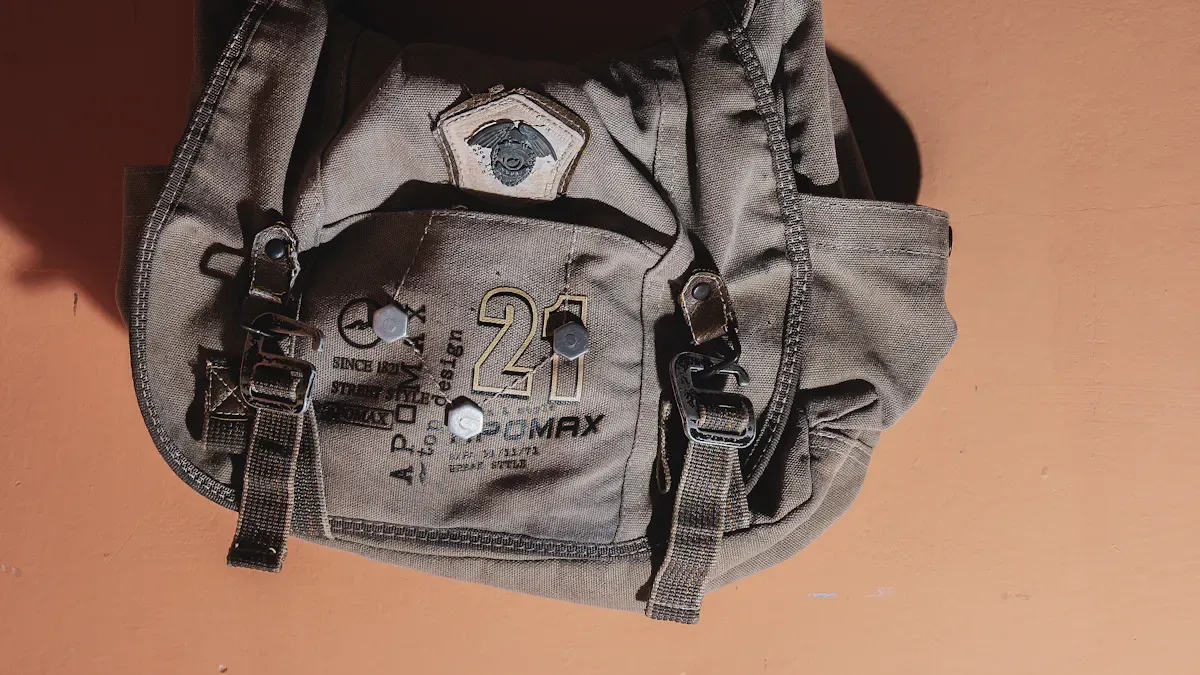
Heavy-duty metal tactical buckles play a crucial role in outdoor backpack manufacturing. Their durability, corrosion resistance, and secure fastening capabilities ensure reliable performance in various environments. Commonly used materials for these buckles include stainless steel and aluminum alloy tactical buckles, which offer compatibility with diverse backpack designs, enhancing both functionality and style. Additionally, quick-release tactical buckles and load-bearing tactical buckles are essential for ease of use and strength. Custom tactical buckles for backpacks can also be designed to meet specific needs, further improving the overall utility of outdoor gear.
Key Takeaways
- Metal tactical buckles provide unmatched durability and corrosion resistance, making them ideal for outdoor backpacks.
- Choose buckles with high load ratings and quick-release mechanisms for safety and ease of use in emergencies.
- Regular maintenance, including inspections and cleaning, is crucial to prolong the life and performance of metal tactical buckles.
Why Metal Tactical Buckles Matter
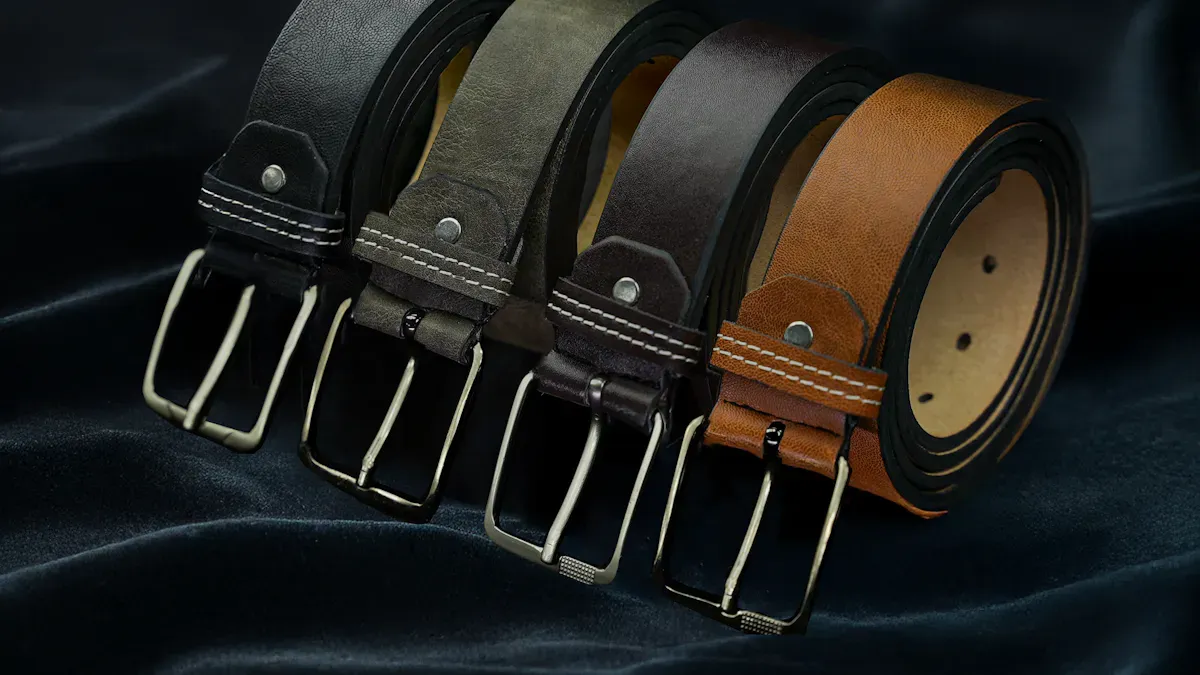
Metal tactical buckles are essential components in outdoor backpacks due to their numerous advantages. These buckles provide durability, safety, and functionality, making them a preferred choice among manufacturers. Here are some key reasons why they matter:
-
Durability: Metal tactical buckles resist cracking, warping, and damage from UV exposure and corrosion. This durability ensures that they can withstand the rigors of outdoor use, making them a long-lasting option for backpacks. Many military-grade bags utilize metal components for enhanced durability, ensuring they perform under the toughest conditions.
-
Load Distribution: These buckles help distribute weight evenly across the backpack. This feature reduces pressure on zippers and seams, which can lead to wear and tear over time. By minimizing stress on these areas, metal buckles contribute to the overall lifespan of the backpack.
-
Modularity: Metal tactical buckles allow for quick reconfiguration of gear. This modularity enhances usability in the field, enabling users to adapt their equipment to changing needs without hassle. Quick adjustments can be crucial in fast-paced situations, such as during outdoor activities or emergencies.
Tip: When selecting a backpack, consider the buckle’s functionality. Metal tactical buckles provide consistent performance in demanding environments, preventing accidental disengagement with secure latch mechanisms. Enhanced safety is crucial during extended trips where gear failure is not an option.
The safety implications of using metal tactical buckles are significant. They provide added strength and durability to military gear, essential in high-stress environments. For example, metal slides are commonly used in rucksacks and body armor to withstand heavy loads during activities like running or jumping. Additionally, these buckles allow for quick adjustments in the field without tools, which is vital for maintaining safety and comfort.
Furthermore, metal tactical buckles excel in various climates. They can tolerate extreme cold and heat, making them ideal for diverse environments—whether trekking through freezing mountains or hot desert climates. Many metal buckle options come with corrosion-resistant coatings, ensuring they remain in excellent condition even in humid, rainy, or salty environments.
Common Types of Metal Tactical Buckles
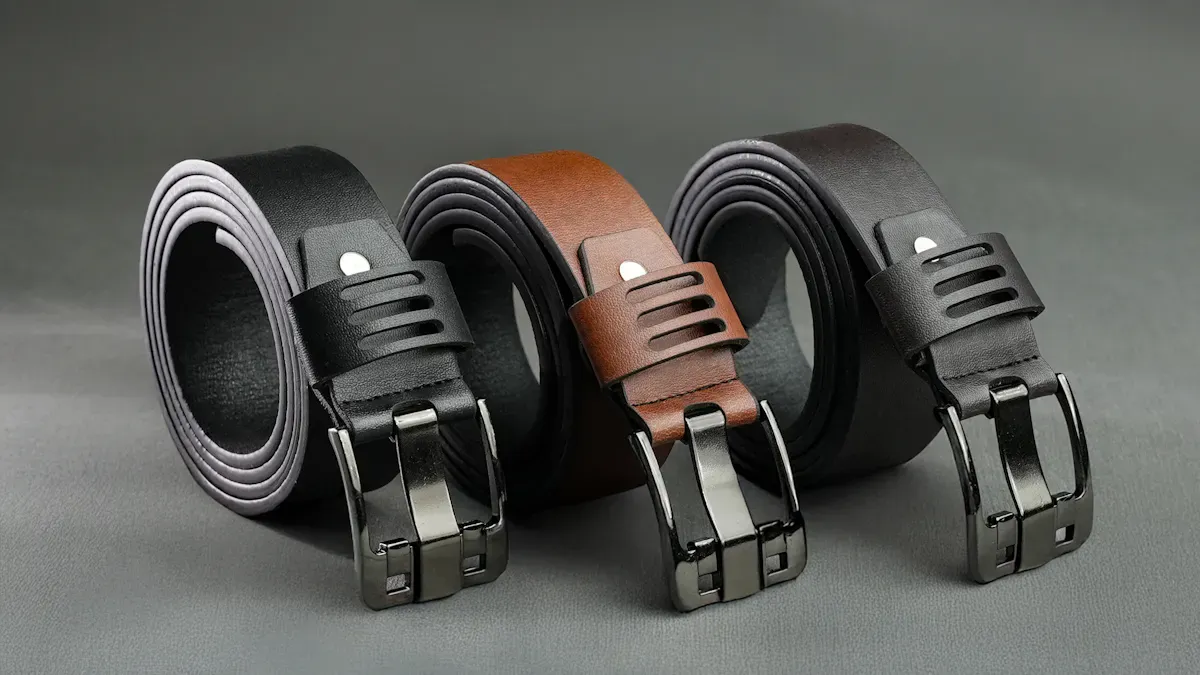
Metal tactical buckles come in various designs, each serving specific functions and applications in outdoor backpacks. Understanding these types helps manufacturers select the right buckles for their products. Below are some of the most widely used types of metal tactical buckles in the outdoor backpack industry:
| Buckle Type | Key Features | Common Applications |
|---|---|---|
| Carabiners and Locking Clips | Versatile attachment points, various gate styles, load ratings marked | Tactical gear attachment systems, climbing equipment |
| Cam Buckles | One-way locking mechanism, quick release, load capacity 250-500 lbs | Cargo securing, industrial equipment mounting |
| Quick Release Buckles | Push-button functionality, audible click, load ratings 300-800 lbs | Military tactical gear, high-end outdoor backpacks |
| Roller Buckles | Smooth strap adjustment, minimizes wear on straps | Adjustable bag straps, industrial safety belts |
Each buckle type offers unique advantages. For instance, carabiners provide flexibility in attaching gear, making them ideal for climbing and tactical applications. Cam buckles excel in securing heavy loads, while quick-release buckles allow for rapid access to gear. Roller buckles facilitate easy adjustments, ensuring comfort during extended use.
When evaluating the mechanical strengths of these buckles, consider the following:
- AustriAlpin Cobra ProStyle Buckle: Made from high-grade 7075 aluminum alloy, it has a break load of 18 kN (approximately 4,046 pounds).
- ITW Nexus GT Cobra Buckle: Constructed from polymer, it has a tensile strength of 500 pounds, which is 40% stronger than standard plastic buckles.
- YKK Side Release Buckle: Made from Acetal, it offers high tensile and impact strength, maintaining its shape under various conditions.
These specifications highlight the importance of selecting the right buckle based on the intended use and load requirements.
Manufacturers often adhere to industry standards for testing the strength and reliability of metal tactical buckles. They conduct load-bearing tests to assess weight capacity before failure. Corrosion resistance is evaluated through exposure to salt spray and humid conditions. Usability tests measure the ease of locking and unlocking under stress, ensuring that the buckles perform reliably in demanding environments.
Key Factors When Choosing Metal Tactical Buckles
Selecting the right metal tactical buckles for outdoor backpacks involves several critical factors. Manufacturers must consider these elements to ensure optimal performance and user satisfaction.
-
Material Durability: Choose buckles made from aircraft-grade aluminum or reinforced polymer. These materials offer excellent corrosion resistance, ensuring longevity in harsh environments.
-
Locking Mechanism: Consider quick-release systems for emergencies. Many models support one-handed operation, allowing users to access gear swiftly when needed.
-
Load Rating: Select buckles rated for high tensile and shear loads. This rating ensures that the buckles perform well under extreme conditions, providing safety and reliability.
-
Integrated Features: Some buckles come with additional functionalities, such as a built-in whistle for emergencies. These features enhance the overall utility of the backpack.
-
Maintenance Practices: Regular inspection and cleaning are essential for longevity and performance. Users should check for wear and tear to prevent unexpected failures during use.
Environmental factors also play a significant role in the selection process. For instance, moisture resistance is crucial for backpacks used in humid environments. Stainless steel and anodized aluminum resist water damage effectively. Additionally, temperature tolerance is vital; metal buckles maintain structural integrity in extreme temperatures, from sub-zero cold to desert heat.
Lastly, compatibility with different strap widths is essential. The inner width of the buckle must align with the strap widths to ensure a secure fit and proper functionality.
Tip: Always test buckles under load before finalizing designs. This practice helps identify potential weaknesses and ensures that the buckles meet performance expectations.
Comparing Metal Tactical Buckles to Alternative Materials
When evaluating metal tactical buckles against alternative materials, several factors come into play, including durability, cost, and environmental impact.
-
Durability: Metal buckles outperform plastic options in terms of longevity. They resist wear and tear, making them suitable for demanding applications. Metal tactical buckles provide superior strength and abrasion resistance, essential for military and industrial use. In contrast, plastic buckles are lighter and more cost-effective, making them ideal for lighter-duty applications. However, they may not withstand heavy loads as effectively as their metal counterparts.
-
Cost: The pricing of metal tactical buckles tends to be higher than that of plastic composite buckles. For instance, a comparison of various buckle types reveals that while Melard alloy buckles fall into the premium pricing category, stainless steel options are moderately priced, and brass buckles are more affordable. The cost of metal buckles is significantly influenced by raw material prices, such as zinc, which increased by 22% in Q1 2023. This rise affects production costs, with over 60% of the cost attributed to raw materials. Conversely, plastic composite buckles remain more budget-friendly.
| Feature | Metal Buckles | Plastic Composite Buckles |
|---|---|---|
| Cost | Generally more expensive | More cost-effective |
- Environmental Impact: Metal tactical buckles often present a more sustainable option. They are easier to recycle than plastic buckles, which can contribute to microplastic pollution if not disposed of properly. Both recyclable plastics and sustainably sourced metals are gaining traction in eco-conscious markets. Thus, metal buckles tend to be more environmentally friendly over time, appealing to consumers who prioritize sustainability.
Tip: When selecting buckles for outdoor backpacks, consider not only the performance but also the environmental implications of your choice.
Choosing the right metal tactical buckles is vital for outdoor backpacks. Manufacturers should prioritize materials like stainless steel and aluminum alloys due to their balance of durability, weight, and corrosion resistance. Selecting buckles based on specific use cases ensures optimal performance in various environments. For heavy-duty applications, stainless steel offers high tensile strength, while aluminum alloys provide lightweight options for everyday carry.
Tip: Regular maintenance, such as inspections and cleaning, can prolong the life of metal tactical buckles, ensuring they remain reliable in demanding conditions.
FAQ
What are the benefits of using metal tactical buckles in backpacks?
Metal tactical buckles offer durability, corrosion resistance, and secure fastening, making them ideal for outdoor conditions.
How do I maintain metal tactical buckles?
Regularly inspect and clean buckles to prevent wear. Ensure they remain free from dirt and debris for optimal performance.
Are metal tactical buckles heavier than plastic ones?
Yes, metal tactical buckles typically weigh more than plastic options. However, their strength and durability often justify the additional weight.