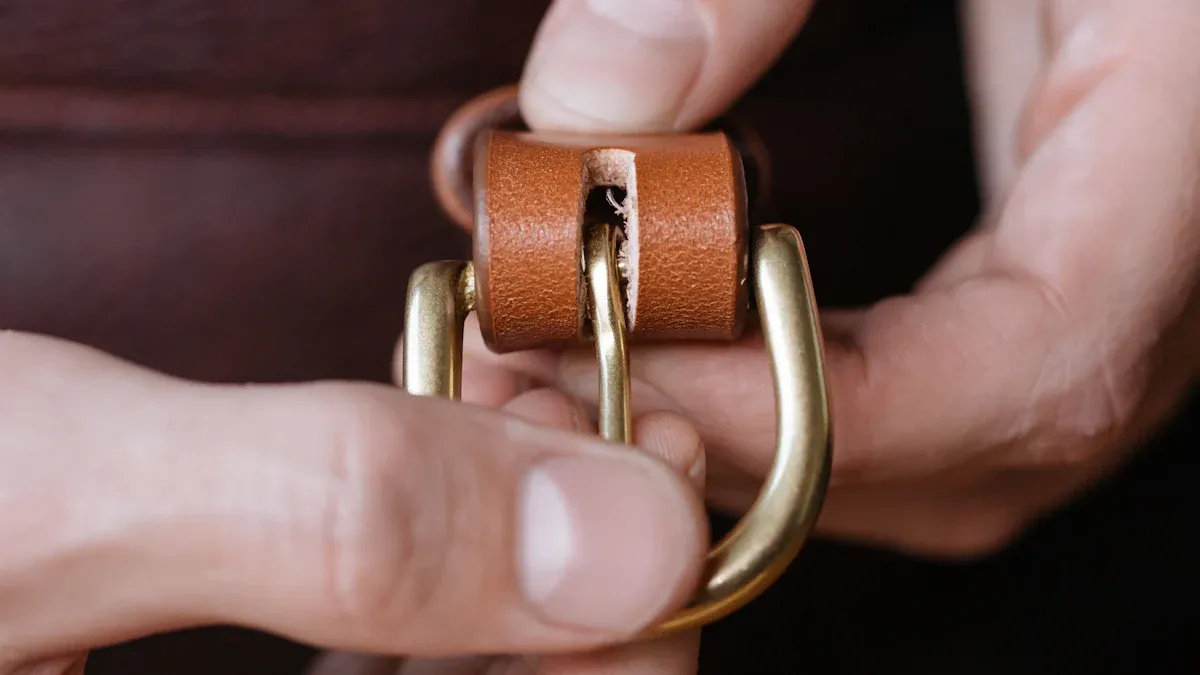
Selecting the right zippers and fasteners, including various garment accessories, is crucial for garment quality and functionality. These components not only enhance the aesthetic appeal but also determine the durability and usability of the clothing. Key factors influencing this choice include quality, price sensitivity, and brand reputation. Sustainability concerns and regional fashion trends also play a significant role. Furthermore, specific garment needs dictate the best zipper types or fasteners required. For instance, heavy duty zippers are ideal for rugged wear, while a metal zipper guide can help in choosing the right type for your project. Additionally, metal snap buttons add elegance to casual attire, and zippers for outdoor gear ensure reliability in challenging conditions.
Key Takeaways
- Choose zippers based on garment type. For outdoor wear, use waterproof zippers. For formal attire, opt for invisible zippers.
- Prioritize high-quality materials. Strong materials enhance durability and improve customer satisfaction.
- Accurate measurements are crucial. Correct sizing prevents functionality issues and ensures a polished appearance.
- Consider special features. Waterproof and reversible zippers add versatility and enhance user experience.
- Utilize garment accessories wisely. Decorative zippers can personalize designs, but ensure quality to avoid product issues.
Identify Your Project Type
Choosing the right zippers and fasteners begins with understanding the specific type of garment being created. Different garments have unique requirements based on their intended use, style, and functionality. Here are some key considerations:
-
Outerwear and Sportswear: These garments often require zippers that can withstand various weather conditions. For instance, plastic molded zippers are lightweight and water-resistant, making them ideal for jackets and activewear. They provide a smooth glide, which is essential for quick access.
-
Formalwear: In contrast, formal garments like dresses and suits typically use invisible zippers. These zippers offer a discreet closure that maintains the garment’s clean lines. They are installed from the inside, ensuring that the zipper does not detract from the overall aesthetic.
-
Children’s Clothing: Safety is paramount in children’s apparel. Fasteners must meet stricter safety regulations, including flammability standards and choking hazard prevention. Fasteners in children’s clothing undergo rigorous pull tests to ensure they remain securely attached, unlike those in adult garments, which have fewer restrictions.
-
Heavy-Duty Workwear: For uniforms and workwear, durability is crucial. Metal zippers are favored for their strength and long-lasting performance. They are commonly used in items like jackets and bags, where wear and tear are expected. Brass zippers, in particular, balance strength and corrosion resistance, making them a popular choice.
Tip: Always consider the garment’s end use when selecting zippers and fasteners. This ensures that the chosen components enhance both functionality and safety.
Specialized Fasteners
Certain garments may require innovative fastening mechanisms to address specific challenges. For example:
-
Work Apparel: Heavy-duty buckles and ergonomic zippers improve user experience in physically demanding jobs. Hooks and clasps provide strength and ease of use, ensuring that the garment performs well under pressure.
-
Fashion Items: Niche markets have led to the development of alternative fastening mechanisms. For instance, innovative fastenings like buckles and hooks cater to specific challenges in fashion, enhancing both style and functionality.
| Type of Zipper | Common Use in Garments | Key Features |
|---|---|---|
| Plastic Molded Zippers | Outerwear, Sportswear | Lightweight, water-resistant, smooth glide |
| Invisible Zippers | Formalwear | Discreet, clean finish, installed from inside |
By identifying the project type, designers can make informed decisions about the zippers and fasteners that will best suit their garments. This approach not only enhances the garment’s functionality but also aligns with the intended use and style preferences.
Importance of Accurate Measurements
Accurate measurements are vital in garment production, especially when selecting zippers and fasteners. Precision in measurement directly influences the functionality, aesthetics, and overall quality of the finished product. Here are several reasons why getting measurements right is essential:
-
Functionality Issues: An incorrect zipper size can lead to significant problems. For instance, a smaller zipper may fail under tension, while an oversized zipper can create a bulky appearance. Both scenarios compromise the garment’s usability and style.
-
Complicated Attachment Process: Inconsistent zipper lengths complicate the attachment process. This can lead to wasted time and resources, as adjustments may be necessary to accommodate the incorrect size.
-
Customer Satisfaction: Incorrect sizing impacts both the functionality and aesthetics of the garment. This can result in customer dissatisfaction and potential returns, which can harm a brand’s reputation.
To ensure proper fit, industry experts recommend specific measurement techniques for different zipper types. The following table outlines these techniques:
| Zipper Type | Measurement Technique |
|---|---|
| Closed-End Zippers | Measure from the top stop to the bottom stop, excluding the tape without the chain. |
| Separating Zippers | Measure from the top of the top stop to the bottom of the retainer box for full functional length. |
| Two-Way Zippers | Measure from the top of one top stop to the bottom of the zipper tape or from one bottom stop to another. |
Measurement errors can have a cascading effect throughout the production process. The following table illustrates how inaccuracies impact various stages:
| Stage of Production | Impact on Functionality and Appearance |
|---|---|
| Pattern Making | Ensures correct fit, shape, and structure, minimizing waste and optimizing fabric use. |
| Cutting | Directly affects fabric efficiency, reducing waste and ensuring alignment of pieces for the final garment. |
| Sewing (Stitching) | Determines durability, comfort, and appearance; proper stitching ensures the garment fits as intended. |
| Ironing (Pressing) | Provides a polished finish and maintains shape, especially for high-quality garments. |
| Quality Control | Ensures only high-standard garments are shipped, reducing defects and maintaining brand reputation. |
Common mistakes in measuring for zippers and fasteners can lead to costly errors. Here are some frequent pitfalls to avoid:
- Measure only the metal or plastic portion of the zipper, excluding the excess tape at the ends. This prevents ordering the wrong size.
- For separating zippers, pay attention to the space between the top stop and the box with the insertion pin. Mismeasuring can lead to incorrect sizing.
- Remember the adage: “measure twice, cut once.” This emphasizes the importance of precision in measurements to prevent mistakes.
Accurate measurements are not just a technical requirement; they are essential for creating garments that meet customer expectations and perform well. By prioritizing precision, designers can enhance the quality and appeal of their creations.
Material Choices for Zippers and Fasteners

Selecting the right materials for zippers and fasteners significantly impacts garment quality and performance. Various materials offer distinct advantages and disadvantages, which designers must consider. Below is a comparison of common materials used in zippers and fasteners:
| Material | Advantages | Disadvantages |
|---|---|---|
| Brass | Corrosion resistance, aesthetic appeal | Heavier, higher production costs |
| Steel | High strength, suitable for heavy-duty uses | Can rust without coatings |
| Aluminum | Lightweight, ideal for lighter garments | Lower tensile strength compared to brass and steel |
Metal zippers, such as those made from brass or steel, provide exceptional strength. However, they can be inflexible and prone to corrosion. Molded plastic zippers, like Vislon, offer good strength and weather resistance, making them suitable for outdoor garments. Yet, they may become brittle in extreme cold. On the other hand, nylon coil zippers are highly flexible and cost-effective, making them ideal for activewear.
Environmental considerations also play a crucial role in material selection. Many traditional materials, such as plastic and metal, are non-biodegradable. However, companies like YKK have made strides in sustainability. Their Natulon line utilizes recycled PET from plastic bottles, reducing waste and energy consumption during production. This approach not only benefits the environment but also aligns with the growing demand for sustainable fashion.
In addition to recycled materials, designers can explore options like organic cotton and TENCEL fibers. These materials contribute to a healthier environment by reducing CO2 emissions associated with synthetic textiles. By choosing sustainable materials, designers enhance the functionality of their garments while promoting eco-friendly practices.
Tip: When selecting materials for zippers and fasteners, consider both performance and environmental impact. This dual focus can elevate the overall quality of the garment.
Special Features to Consider
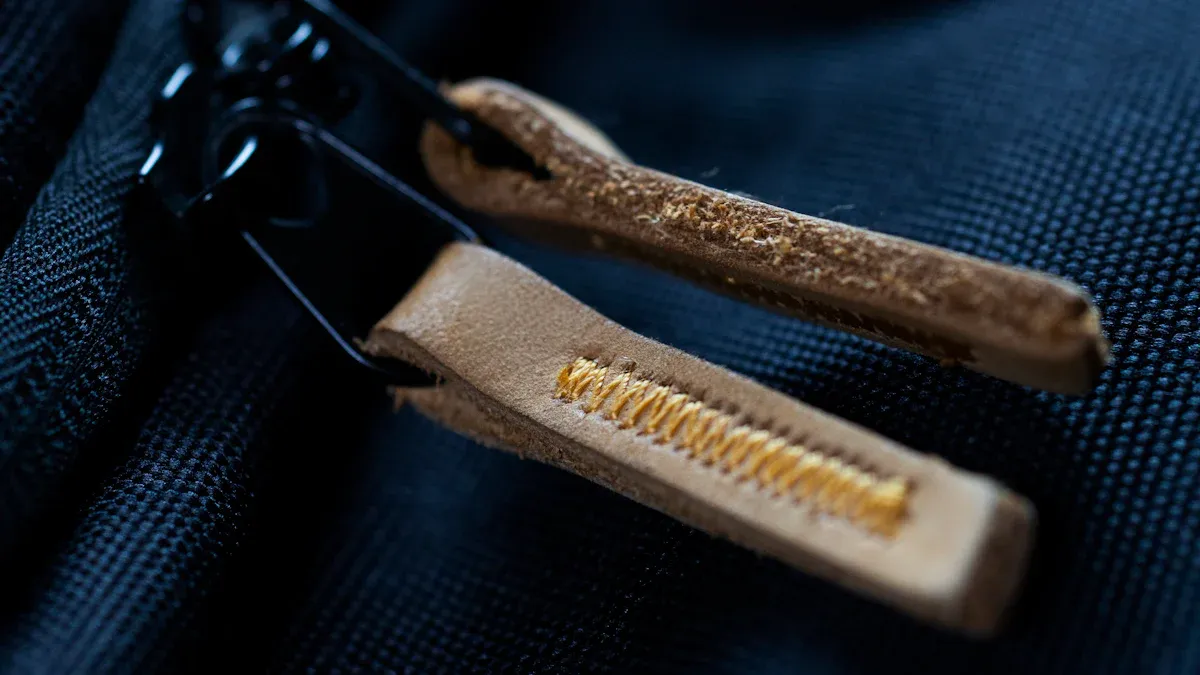
When selecting zippers and fasteners, special features can significantly enhance garment functionality and user experience. Designers should consider the following options:
-
Waterproof Zippers: These zippers feature coated tape or sealed seams, making them ideal for rainwear and outdoor gear. They effectively keep moisture out, ensuring that garments remain dry in wet conditions.
-
Reversible Zippers: A dual-sided pull allows operation from either side, making these zippers perfect for reversible garments or bags. This feature adds versatility and style to the design.
-
Invisible Zippers: These zippers disappear when installed, providing a clean finish. They are commonly used in formal wear, where aesthetics are paramount.
| Feature | Description |
|---|---|
| Waterproof Zippers | Built with coated tape or sealed seams to keep moisture out, ideal for rainwear and outdoor gear. |
| Reversible Zippers | Dual-sided pull allows operation from either side, perfect for reversible garments or bags. |
| Invisible Zippers | Disappear when installed, providing a clean finish, commonly used in formal wear. |
Locking mechanisms in zippers and fasteners enhance garment security. They prevent accidental openings, ensuring clothing remains securely fastened during movement. This feature is particularly important in performance-oriented apparel, where reliability is essential. Additionally, these mechanisms improve fit retention, contributing to overall usability and comfort.
Magnetic snaps are another innovative option, especially for children’s clothing. They offer several advantages:
- Quick Release: If a child gets caught, magnetic snaps release easily, reducing the risk of injury.
- No Small Parts: They eliminate the risk of loose buttons or zippers that can pose choking hazards.
- User-Friendly: Parents can quickly open and close the garment with one hand, perfect for busy moments.
- Sleek Design: Magnetic snaps provide a clean, modern look that complements any style.
In specialized industries, fire-resistant or heat-resistant zippers and fasteners contribute to garment safety. Flame-resistant metal zippers maintain garment integrity in fire, ensuring safety in high-risk environments. Strong, heat-resistant thread used in flame-retardant apparel helps prevent ignition and self-extinguishing when exposed to flames.
By considering these special features, designers can enhance the functionality and safety of their garments, ultimately improving user satisfaction.
Garment Accessories and Their Impact
Garment accessories play a crucial role in enhancing both the functionality and aesthetics of clothing. Designers often leverage these components to create unique and appealing garments. Here are some key impacts of garment accessories:
-
Aesthetic Enhancement: Zipper accessories significantly boost the visual appeal of garments and bags. They have evolved from mere functional items to essential design elements. Designers can experiment with various colors, shapes, and configurations, allowing for creative expression.
-
Personalization Opportunities: Decorative zippers provide a unique chance for customization. They transform simple designs into distinctive pieces, increasing consumer appeal. This personalization aspect allows customers to express their individual styles through their clothing.
-
Versatility: Interchangeable zipper accessories, such as zipper pulls, enhance garment versatility. These accessories come in various designs and sizes, making it easy to switch them out based on personal style or specific needs. This adaptability aids in quick repairs and offers a fresh aesthetic without requiring new garments.
However, poor-quality zipper accessories can lead to several issues that negatively impact garments:
- Frequent breakage
- Stuck sliders
- Misalignment
- Increased product returns and complaints
- Damage to brand reputation
These problems can result in higher processing costs for refunds and exchanges, ultimately harming customer trust and brand loyalty.
Choosing the right zippers and fasteners is essential for garment quality and functionality. Designers must consider various factors, including material durability, intended use, and style. Key takeaways include:
- Zipper Types: Metal, molded plastic, and coil zippers serve different applications.
- Material Quality: High-quality materials enhance durability and customer satisfaction.
- Project Needs: Understanding the specific requirements of each garment type is crucial.
By prioritizing these elements, designers can significantly enhance garment functionality and ensure a positive user experience. Ultimately, thoughtful selection of zippers and fasteners leads to improved product longevity and customer loyalty.
Tip: Always align your choices with the garment’s purpose to maximize both performance and aesthetic appeal.
FAQ
What types of zippers are best for outdoor garments?
Outdoor garments benefit from waterproof zippers, such as those with sealed seams or coated tape. These zippers keep moisture out, ensuring the wearer stays dry in wet conditions.
How do I choose the right zipper length?
To choose the right zipper length, measure the opening where the zipper will be installed. Ensure the zipper extends slightly beyond the opening for proper function and aesthetics.
Are there eco-friendly options for zippers?
Yes, many brands now offer eco-friendly zippers made from recycled materials, such as PET from plastic bottles. These options reduce environmental impact while maintaining quality and durability.
What is the difference between separating and closed-end zippers?
Separating zippers allow the two sides to completely part, making them ideal for jackets. Closed-end zippers do not separate fully and are typically used in skirts and pants.
How can I ensure my zippers last longer?
To prolong zipper life, avoid forcing them when stuck. Regularly clean zippers to remove dirt and debris. Lubricating them with a silicone spray can also enhance performance.