Metal fasteners, including various garment accessories, play a crucial role in apparel manufacturing. They not only secure garments but also enhance their durability and functionality. For instance, metal fasteners in sports apparel improve durability and allow for quick adjustability, which is essential for athletes. Furthermore, features like zippered pockets in cycling jerseys enhance usability, contributing to better performance.
In addition to functionality, metal fasteners serve as vital design elements. They elevate the aesthetic appeal of garments, allowing for customization across various fashion styles. Custom fashion accessory metal parts, including different jeans button types and the best snap hooks for garments, have become integral to modern apparel, helping designers create unique pieces that stand out in the market.
Key Takeaways
- Metal fasteners enhance garment durability and functionality, making them essential for apparel manufacturing.
- Different types of metal fasteners, like buttons, zippers, and snaps, serve unique purposes and contribute to both style and usability.
- Choosing the right fastener involves considering garment type, user needs, and material compatibility to ensure optimal performance.
- Regular maintenance, such as cleaning and inspecting fasteners, extends their lifespan and maintains garment quality.
- Customization options for metal fasteners allow designers to create unique pieces that stand out in the fashion market.
Overview of Metal Fasteners
Metal fasteners serve essential functions in apparel manufacturing. They secure garment pieces together, ensuring that clothing remains intact during wear. Fasteners also facilitate ease of use, allowing individuals to dress and undress with minimal effort. Additionally, they contribute significantly to the overall design and functionality of clothing, enhancing both aesthetics and practicality.
The apparel industry utilizes various types of metal fasteners, each designed for specific applications. Below is a table highlighting some of the most common types of metal fasteners used worldwide:
| Fastener Type | Description |
|---|---|
| Zippers | Widely used in jeans, jackets, and bags due to durability and ease of use. |
| Buttons | Popular in both formal and casual wear. |
| Snaps | Commonly utilized in specialized apparel like sportswear and outerwear. |
| Hooks and Eyes | Often used in various clothing applications. |
These fasteners not only enhance garment functionality but also play a crucial role in the overall design. For instance, buttons can add a touch of elegance to a blouse, while zippers provide a sleek finish to jackets.
Top 8 Metal Fasteners
1. Buttons
Buttons are one of the most versatile metal fasteners in apparel manufacturing. They come in various styles and materials, each serving unique purposes. Common types include:
- Shank Buttons: Ideal for heavier fabrics, these buttons provide a robust closure and often add a decorative touch.
- Hole Buttons: These fasteners feature a hole for threading and are widely used in clothing and curtains.
- Sewing Snap Buttons: Comprising two parts, these buttons allow for easy fastening without the need for threading.
- Magnetic Buttons: Utilizing magnets, these buttons offer easy opening and are less likely to damage fabric.
Metal buttons also vary in material. For instance, brass buttons are popular in denim and casual wear due to their durability and aesthetic appeal. Stainless steel buttons resist corrosion, making them suitable for rust-prone environments. Aluminum buttons are lightweight and flexible, often used in covered designs. However, metal buttons can be heavier and more expensive than their plastic counterparts, which may lack the luxury appearance of metal options.
| Button Type | Advantages | Disadvantages |
|---|---|---|
| Metal Buttons | Durable, aesthetically appealing, versatile | Heavier, more expensive, may rust or corrode |
| Plastic Buttons | Lighter, less expensive | May lack luxury appearance, can become brittle over time |
2. Zippers
Zippers are essential fasteners in many garments, providing both functionality and style. They are widely used in jeans, jackets, and bags due to their durability and ease of use. The leading manufacturers of metal zippers include:
- YKK (Japan)
- Riri (Switzerland)
- SBS Zipper (China)
- Talon International (USA)
- IDEAL Fastener (USA)
Metal zippers offer several advantages over their plastic and coil counterparts. They possess the highest tensile strength, ensuring long-lasting durability. Their aesthetic appeal adds a polished finish to garments. However, they can be heavier and may corrode without proper coatings.
| Zipper Type | Strength | Longevity | Pros | Cons |
|---|---|---|---|---|
| Metal Zippers | Highest tensile strength | Long-lasting durability | High tensile strength, wear-resistant, aesthetic appeal | Heavier, can corrode without coatings |
| Molded Plastic Zippers | Moderate strength | Moderate durability | Lightweight, water-resistant, suitable for outdoor use | Brittle in extreme cold, less strong than metal |
| Coil Zippers | Lower tensile strength | Shorter lifespan | Flexible, lightweight, affordable | Weaker under heavy loads, prone to splitting |
3. Snaps
Snaps are another popular metal fastener, commonly used in various clothing designs. They provide a clean, streamlined look and are essential for both functionality and aesthetics. Snaps are particularly favored in:
- Shirts, blouses, and light outerwear
- Jackets, coats, and jeans
- Vintage-style garments
- High-end clothing, such as luxury leather jackets
The typical materials used in manufacturing metal snaps include brass, stainless steel, aluminum, and zinc alloy. Each material offers distinct properties, such as durability and corrosion resistance.
| Material | Properties |
|---|---|
| Brass | Durable, versatile, available in various finishes |
| Stainless Steel | Exceptional durability, corrosion-resistant |
| Aluminum | Lightweight, rust-resistant |
| Zinc Alloy | Cost-effective, good durability, various finishes |
Snaps are ideal for garments that require frequent use, such as work uniforms and casual wear. They provide extra strength in jeans and outerwear, making them a reliable choice for everyday clothing.
4. Rivets
Rivets are small yet powerful fasteners that play a significant role in apparel manufacturing. They reinforce seams and prevent fabric wear, making them essential for garments that endure heavy use. Historically, rivets gained prominence in denim and workwear production. They extend the durability and lifecycle of clothing, which made them indispensable for laborers like miners and farmers.
A lady approached Jacob Davis and asked him to construct a sturdy pair of pants for her husband, who kept ripping his work pants. This led to the innovative use of rivets in areas prone to wear, enhancing the durability of the garment.
Rivets are commonly used in various applications, including:
- Denim jeans: They secure pocket seams and other stress points.
- Workwear: They provide additional strength in uniforms and heavy-duty clothing.
- Leather goods: They fasten materials like leather and canvas, adding both durability and style.
The materials used for rivets vary, with options including brass, aluminum, and stainless steel. Each material offers unique properties, such as corrosion resistance and aesthetic appeal.
| Material | Properties |
|---|---|
| Brass | Durable and versatile, available in various finishes |
| Aluminum | Lightweight and rust-resistant |
| Stainless Steel | Exceptional durability and corrosion-resistant |
5. Hooks and Eyes
Hooks and eyes are another essential metal fastener in apparel. They consist of a hook and a loop, allowing for a secure fastening mechanism. These fasteners are often used in groups to ensure strength and are available as hook-and-eye tape, which can be sewn into garments for easy closure.
Common uses of hooks and eyes include:
- Fastening collars and sleeve cuffs
- Securing waistbands
- Holding edges together at the top of zippers
- Providing closures in couture sewing and historic costuming
Metal hooks and eyes offer advantages over plastic counterparts. They are more durable but may rust in high moisture environments. In contrast, plastic hooks and eyes are better suited for activewear and swimwear due to their resistance to rusting.
| Type | Advantages | Disadvantages |
|---|---|---|
| Metal | Durable and strong | May rust in humid conditions |
| Plastic | Lightweight and rust-resistant | Less durable than metal |
6. D-Rings
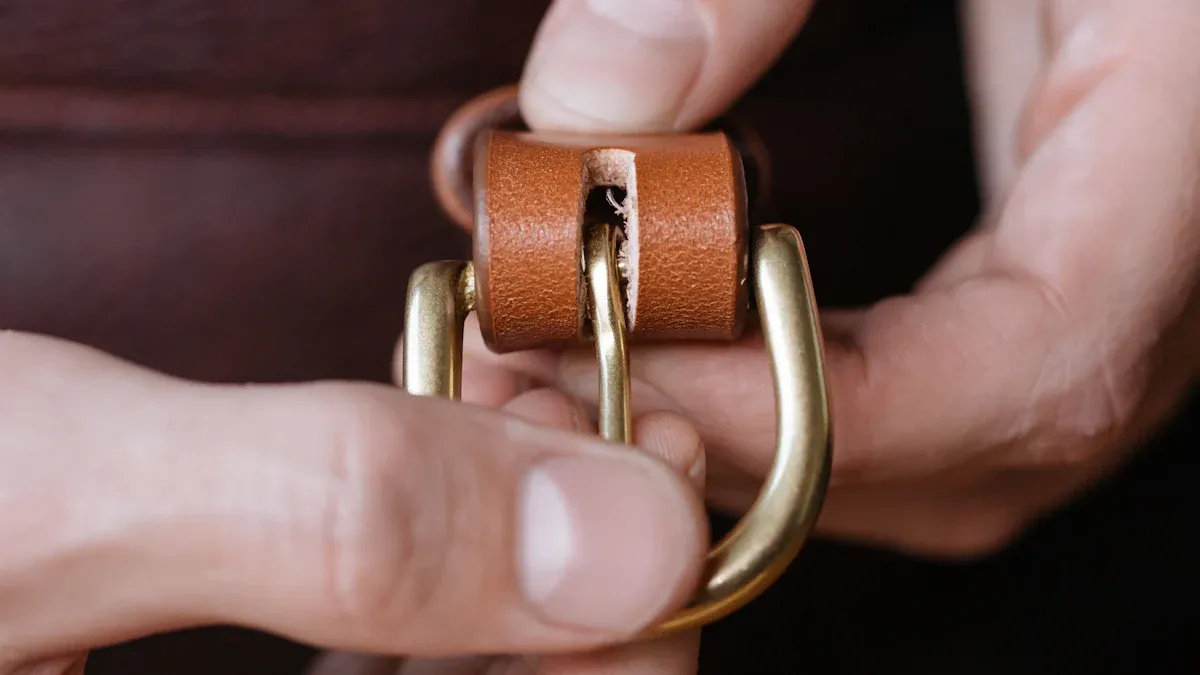
D-rings are versatile fasteners commonly used in various garments and accessories. They provide a secure attachment point for straps and belts, enhancing both functionality and style. D-rings are frequently found in:
- Belts
- Outerwear, such as coats and jackets
- Trousers
- Accessories like suspenders and cargo pants
- Overalls and raincoats
The load-bearing capacities of metal D-rings are impressive. For instance, heavy welded nickel-plated steel D-rings can support up to 846 pounds. However, it is recommended that loads should not exceed 25% of the material’s tensile strength to ensure safety and longevity.
D-rings come in various materials, including stainless steel and aluminum, each offering distinct benefits. Stainless steel provides excellent corrosion resistance, while aluminum is lightweight and flexible.
7. Grommets
Grommets are essential metal fasteners that enhance both the functionality and aesthetic appeal of garments. They serve multiple purposes in fashion and utility apparel, making them a versatile choice for designers. Grommets help prevent fabric from fraying around holes, providing durability. They also offer structural support in areas where laces or drawstrings are used. Additionally, grommets can act as decorative elements, adding a unique design aspect to garments.
Grommets find applications in various types of apparel, from casual streetwear to high-performance outdoor gear. Their versatility extends beyond clothing to accessories like bags, shoes, and hats. This widespread use makes grommets a popular choice among designers looking to combine functionality with style.
The primary metals used for grommets in the apparel industry include brass and stainless steel. Brass, composed of 70% copper and 30% zinc, offers excellent corrosion resistance and strength, making it ideal for outdoor applications. Stainless steel, particularly 304 grade, is known for its durability and self-repairing properties when scratched, enhancing its longevity in harsh environments.
| Metal Type | Properties |
|---|---|
| Brass | Corrosion-resistant, strong, ideal for outdoor use |
| Stainless Steel | Durable, self-repairing, long-lasting |
8. Clasps
Clasps are another vital category of metal fasteners in apparel manufacturing. They provide secure closures while enhancing the overall design of garments. Various types of clasps exist, each serving specific functions in high-end fashion and functional apparel.
| Clasp Type | Description | Typical Uses in Fashion and Apparel |
|---|---|---|
| Snap Clasps | Easy to open and close, integrates into the design without competing with artistry. | Used in blouses and pants, enhancing design while ensuring secure closures. |
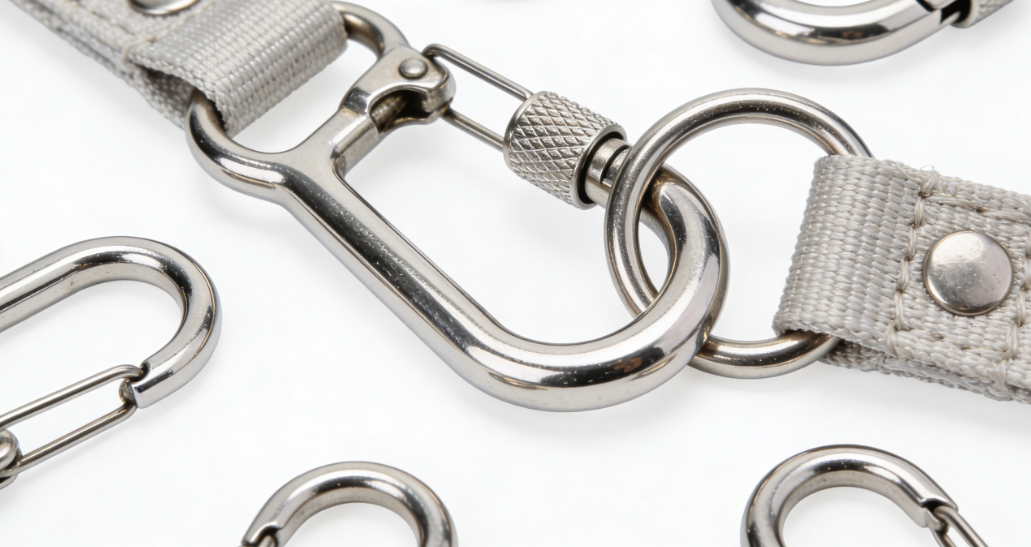
| Lanyard Clasps | Functional and can be fancy, often used in name-badge lariats and necklaces. | Common in functional apparel for name badges and accessories. |
| Slide Clasp | Sleek design for multi-strand pieces, works with friction, does not compete with beadwork. | Suitable for bracelets and necklaces, adding elegance without distraction. |
| Lobster Clasps | Spring-loaded lever that snaps shut securely, sturdy and dependable. | Popular in chain and charm bracelets, ensuring secure wear. |
| Toggle Clasp | Comprises a bar and loop, meant to be seen, easy to use. | Used in statement chains and fashion-forward designs, adding visual interest. |
Metal clasps enhance the security and design of garments in several ways. They provide reliable fastening mechanisms that prevent accidental exposure and misalignment. Clasps ensure garments maintain their intended shape and positioning during wear. Additionally, they can be designed as aesthetic elements, reflecting brand identity and enhancing visual appeal. Well-designed clasps are critical for expensive or complex clothing, providing support without compromising integrity. Security features like double-locking mechanisms add confidence for the wearer.
Choosing the Right Fastener

Considerations for Garment Type
When selecting metal fasteners, manufacturers must consider the specific garment type. They should evaluate the environment in which the product will be used. For instance, some garments may require a sleek look, while others need maximum durability. Additionally, manufacturers should assess how users will interact with the fasteners. This includes understanding ergonomic needs and the frequency of use. Prototyping and testing the hardware can ensure compatibility with the garment’s design and function.
User Needs and Preferences
User preferences play a significant role in fastener selection. Manufacturers should consider whether the fastener needs to be decorative or functional. Matching the fastener type to the fabric is crucial; lightweight options work best for light fabrics, while sturdy options suit heavy materials. Understanding the target audience is essential. Manufacturers must ensure that fasteners are easy to use and safe for all users.
Material Compatibility
Material compatibility is another critical factor. Manufacturers should choose fasteners that align with the desired aesthetic of the garment. Whether aiming for a rustic, modern, vintage, or fun look, the fastener should complement the overall design. The size and shape of buttons, for example, must relate to the garment’s design. Ensuring that the chosen fasteners enhance both functionality and style will lead to a more successful product.
Maintenance and Durability
Care Instructions for Fasteners
Proper care of metal fasteners ensures their longevity and performance. Manufacturers should consider the following care instructions:
- Regular Cleaning: Wipe fasteners with a damp cloth to remove dirt and grime. For stubborn stains, use a mild detergent.
- Avoid Harsh Chemicals: Strong chemicals can corrode metal fasteners. Use gentle cleaning agents to maintain their integrity.
- Inspect for Damage: Regularly check fasteners for signs of wear or corrosion. Replace any damaged fasteners promptly to prevent garment failure.
Tip: Store garments in a cool, dry place to minimize moisture exposure, which can lead to rusting.
Longevity and Performance
Metal fasteners generally outperform non-metal alternatives in terms of durability. For example, 316 stainless steel fasteners exhibit a tensile strength of 85,000 psi, significantly higher than nylon 6/6, which has a tensile strength of 11,600 psi. This difference highlights the superior strength of metal fasteners, making them ideal for heavy-duty applications.
| Fastener Type | Tensile Strength (psi) |
|---|---|
| Nylon 6/6 | 11,600 |
| 316 Stainless Steel | 85,000 |
| Grade 5 Steel | 120,000 |
Metal fasteners also resist environmental factors better than their nylon counterparts. For instance, they withstand extreme temperatures and chemical exposure, ensuring reliable performance in various conditions.

Garment Accessories and Fastener Selection
Enhancing Functionality
Garment accessories significantly influence the selection of metal fasteners in apparel design. Manufacturers must prioritize material durability and functional compatibility when choosing fasteners. For example, selecting the right type of metal fastener can enhance garment longevity and improve user experience. Metal accessories contribute to a stronger sense of craftsmanship, increasing the perceived value of garments. They also extend the product lifespan, enhancing functionality.
Some key benefits of using metal accessories include:
- Enhanced durability, making garments more resistant to wear and tear.
- Unique aesthetic appeal, adding visual interest and contrast to designs.
- Improved functionality, ensuring that garments perform well in various conditions.
Aesthetic Considerations
Aesthetic appeal plays a crucial role in fastener selection. Designers often seek to create garments that stand out in the market. Popular combinations of garment accessories and metal fasteners reflect current fashion trends. For instance, belt buckles secure belts in various styles, while metal buckles on shoes serve both functional and decorative purposes. Adjustable closures on clothing items like hats and coats provide versatility and style.
Additionally, custom bolts have emerged as versatile adornments for both casual and formal wear. Designers create bespoke bolts for uniqueness in accessories, integrating various materials for diverse looks. Statement pieces, such as fastener-embellished clutches, add glamour to any outfit. These design choices not only enhance the garment’s functionality but also elevate its overall aesthetic.
Tip: When selecting fasteners, consider how they complement the overall design and functionality of the garment.
Selecting the right metal fasteners is crucial for apparel manufacturers. These fasteners enhance durability, functionality, and aesthetic appeal. They ensure garments withstand wear and tear while meeting consumer demands for quality and sustainability.
Manufacturers should consider several key factors when choosing fasteners:
- Material Compatibility: Ensure fastener material aligns with connected parts to prevent corrosion.
- Environmental Conditions: Choose fasteners suited for specific environments, such as humidity or high temperatures.
- Installation Method: Select fasteners based on whether disassembly is necessary.
By prioritizing high-quality metal fasteners, brands can enhance product durability and perceived value. This approach strengthens brand identity and ensures consistent product quality, ultimately leading to greater customer satisfaction.
Tip: Always evaluate fasteners during the design process to maximize garment quality and performance.
FAQ
What are the most common types of metal fasteners used in apparel?
The most common metal fasteners include buttons, zippers, snaps, rivets, hooks and eyes, D-rings, grommets, and clasps. Each serves specific functions and enhances both the durability and aesthetics of garments.
How do I choose the right metal fastener for my garment?
Consider the garment type, user needs, and material compatibility. Evaluate the fastener’s functionality, durability, and aesthetic appeal to ensure it aligns with the overall design and purpose of the clothing.
Are metal fasteners more durable than plastic ones?
Yes, metal fasteners generally offer superior durability compared to plastic alternatives. They withstand wear and tear better and resist environmental factors, making them ideal for heavy-duty applications.
How can I maintain metal fasteners?
Regularly clean metal fasteners with a damp cloth and mild detergent. Avoid harsh chemicals that can cause corrosion. Inspect fasteners for damage and replace any that show signs of wear.
Can I customize metal fasteners for my designs?
Absolutely! Many manufacturers offer customization options for metal fasteners. Designers can choose materials, finishes, and styles to create unique fasteners that enhance their garments’ overall look and functionality.