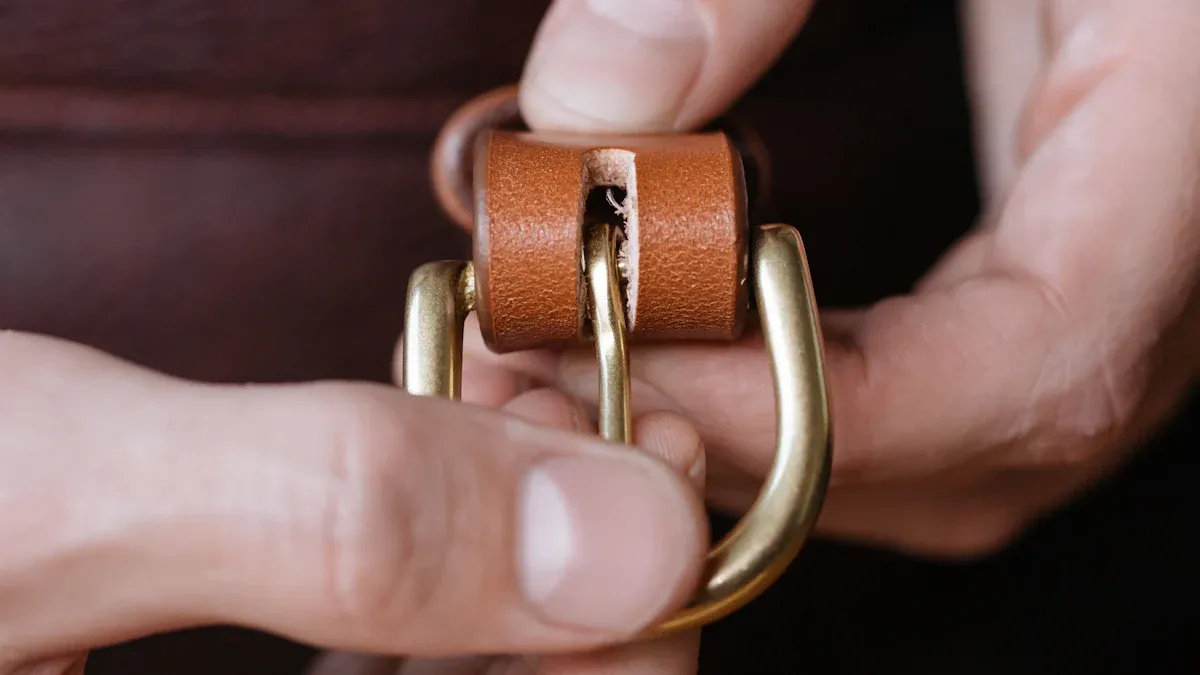
Identifying reliable Garment Accessories suppliers in China proves essential for successful product development and manufacturing. Businesses often wonder, "Where is the best place to source clothing trims in China?" This guide provides practical strategies to locate trustworthy partners for their needs. It explores various avenues, from online platforms to direct factory engagement. This ensures businesses find high-quality and consistent supply for items like Metal Zippers and Plastic Cord Toggle Stopper. A company offering a One Stop Sourcing Service, such as NingBo Tramigo garment accessory, can simplify this complex process.
Key Takeaways
- Use online platforms like Alibaba and Made-in-China to find many suppliers. Check their delivery rates and customer reviews.
- Attend trade shows such as the Canton Fair to meet suppliers in person. This helps you see products and build trust.
- Consider hiring a sourcing agent. They help you find good factories and manage your orders. This saves you time and money.
- Always check samples and supplier licenses. This ensures you get good quality products and avoid problems.
- Talk clearly with your suppliers. Tell them exactly what you need. This helps build strong relationships and ensures good results.
Leveraging Online B2B Platforms for Garment Accessories

Online B2B platforms offer a powerful starting point for finding reliable garment accessory suppliers in China. These digital marketplaces connect buyers with a vast network of manufacturers and traders. They provide tools to filter suppliers, review product catalogs, and initiate communication.
Alibaba.com for Extensive Supplier Directories
Alibaba.com stands as one of the largest B2B platforms globally. It features an extensive directory of suppliers for nearly every type of garment accessory. Buyers can find everything from zippers and buttons to labels and trims. Many suppliers on Alibaba show strong performance metrics. For instance, Hangzhou Fuhan Garment Accessories Co., Ltd. has 18 years of experience and over $820K in online revenue. They also boast an impressive 99.8% on-time delivery rate.
Here is a look at some supplier performance data:
| Supplier Name | Annual Revenue | Reorder Rate | On-time Delivery Rate |
|---|---|---|---|
| Guangzhou Winspeed Garment Accessories Co., Ltd. | $380,000+ | 32% | 98.9% |
| Dongguan Ever Proceed Trademark Printing Co., Ltd. | $20,000+ | <15% | 96.6% |
| Guangzhou Fanxi Pudding Network Co., Ltd. | $240,000+ | 25% | 97.0% |
| Guangzhou Langyin Network Technology Co., Ltd. | $130,000+ | 23% | 99.0% |
| Hangzhou Fuhan Garment Accessories Co., Ltd. | $820K+ | N/A | 99.8% |
| Dongguan City Hekang Garment Accessories Company Limited | N/A | 36% | N/A |
| Guangzhou Honyun Apparel Accessories | $35K+ | N/A | 75% |
Buyers should look for suppliers with high on-time delivery rates, ideally above 99%. Strong customer retention, like Dongguan City Hekang’s 36% reorder rate, also signals reliability. Reviewing customer ratings, with 4.9/5.0 or higher being ideal, helps ensure quality.

Made-in-China.com for Manufacturing-Focused Garment Accessories
Made-in-China.com focuses more on connecting buyers directly with Chinese manufacturers. This platform is excellent for businesses seeking factory-direct pricing and custom production capabilities. It provides detailed company profiles, including factory audits and certifications. This helps buyers assess a supplier’s manufacturing capacity and quality standards.
Global Sources for Verified Garment Accessory Suppliers
Global Sources distinguishes itself by emphasizing verified suppliers. They conduct thorough checks on their listed companies, offering a higher level of trust. Buyers can find detailed supplier reports, including factory inspection results. This platform is ideal for those who prioritize pre-vetted partners and want to minimize sourcing risks.
Key Considerations for Online Sourcing of Garment Accessories
Online sourcing offers convenience, but buyers must approach it with caution. Several risks exist when you look for garment accessories suppliers online. Understanding these potential problems helps you avoid costly mistakes.
One major trap is the "too good to be true" pricing. If a price seems much lower than the market average, it often signals inferior materials or even a scam. Some suppliers might send a high-quality sample, but then deliver bulk orders with lower-quality materials. This is a "switch and bait" scam. Also, watch out for fake company profiles or "ghost factories." Fraudsters use convincing websites with stolen photos. They might even claim products meet standards like CE or ISO with forged certificates. This causes big problems during customs clearance.
Inconsistent product quality is another common issue. Suppliers sometimes source from many factories. This leads to big quality differences between batches. Prices can also change often, making it hard to get steady rates. Misleading product listings are also a concern. Suppliers might show high-quality items but ship lower-quality ones, especially for large orders. Delayed shipments can cause severe losses if products arrive after peak sales times. Subpar quality also damages your brand reputation. This leads to negative reviews and lost customers.
Buyers often overlook logistics costs. They focus only on product pricing. However, shipping expenses significantly impact overall cost and profit. Sea freight is cheap for bulk, but air freight for urgent orders costs much more. Hidden fees also exist. FOB (Free on Board) prices often do not include customs clearance or port handling fees. These are costs buyers must cover. Freight rates also change based on demand and fuel prices.
Finally, be aware of scams. A scammer might pretend to be your supplier and send new bank details to divert payments. Some fraudulent companies take payment and then disappear without delivering goods. Also, watch out for undisclosed middlemen. Trading companies sometimes pretend to be factories. They charge higher prices and outsource production to low-quality manufacturers. Look for warning signs like unrealistically low prices, inconsistent communication, or a lack of business credentials. Suppliers who cannot answer technical questions about materials or certifications might not be real manufacturers.
Attending Industry Trade Shows for Garment Accessories in China
Attending industry trade shows in China offers a direct and effective way to connect with garment accessory suppliers. These events provide unique opportunities to see products firsthand, meet manufacturers, and understand market trends. They allow buyers to build relationships and assess supplier capabilities in person.
Canton Fair for Broad Access to Garment Accessories
The Canton Fair, held biannually in Guangzhou, stands as one of the largest trade fairs globally. It features a vast array of products, including a significant section dedicated to textiles and Garment Accessories. Buyers can find everything from basic buttons and zippers to intricate lace and embroidery. The fair allows for broad access to many suppliers, making it a great starting point for general sourcing needs. You can compare many options in one place.
Intertextile Shanghai Apparel Fabrics for Specialized Garment Accessories
Intertextile Shanghai Apparel Fabrics focuses on textiles and apparel accessories. This show is excellent for finding specialized items. Its ‘Accessories Vision’ zone hosts over 500 international and domestic exhibitors. This zone also includes an ‘Accessories Trend Forum’. It showcases upcoming season’s fashion accessories based on three domestic trend themes. For example, you can find Perforated Cotton Embroidery. This product features geometric patterns for menswear. It combines large patterns with delicate perforations. It emphasizes natural, skin-friendly, breathable, and eco-friendly qualities. Buyers for men’s, women’s, and children’s casual wear find it appealing. Another highlight is Polyester Cord Embroidery. This uses washed polyester imitation linen fabric with varying thread thicknesses. It creates a 3D effect and a luxurious linen-like texture. It is crisp, stylish, washable, and wear-resistant. Polyester 3D Water-Soluble Embroidery also stands out. It has high-precision lace and intricate floral patterns. This embroidery features burr-free edges, three-dimensional patterns, and intricate details. It appeals to customers seeking high-end dress and lingerie fabrics.
Hong Kong Fashion Week for Garment Accessory Trends and Suppliers
Hong Kong Fashion Week focuses on fashion trends and finished garments. However, it also features many suppliers of high-end garment accessories. This event is ideal for buyers looking for innovative designs and premium quality. It helps you discover emerging trends and connect with suppliers who offer unique and fashionable accessories.
Benefits of Face-to-Face Interaction with Garment Accessory Suppliers
Meeting suppliers in person offers significant advantages that online interactions simply cannot replicate. When you attend trade shows or visit factories, you build stronger relationships. This personal connection often leads to better communication and more reliable partnerships.
Firstly, direct interaction fosters trust. You can look a supplier in the eye, shake their hand, and gauge their professionalism firsthand. This helps establish a rapport that is crucial for long-term business. It makes future negotiations smoother and problem-solving more efficient.
Secondly, you gain a much clearer understanding of product quality. You can physically inspect samples of Garment Accessories, feel the materials, and assess the craftsmanship. This hands-on evaluation provides insights that photos or video calls cannot offer. You might notice details or subtle differences that impact your final product.
Furthermore, face-to-face meetings allow for immediate and clear communication. You can ask detailed questions about production processes, lead times, and customization options. Suppliers can also better understand your specific needs and vision for your products. This reduces misunderstandings and speeds up decision-making.
Finally, direct engagement often leads to better negotiation outcomes. When you meet in person, you can discuss pricing, minimum order quantities, and payment terms more effectively. This personal touch can result in more favorable deals and a deeper commitment from the supplier. It also gives you a chance to observe their operations and assess their overall capabilities, ensuring they can meet your demands consistently.
Utilizing Sourcing Agents and Companies for Garment Accessories
Many businesses find navigating the Chinese manufacturing landscape challenging. Sourcing agents and companies offer a valuable solution. They act as a bridge between international buyers and local suppliers. These professionals streamline the sourcing process, saving time and reducing risks.
The Role of a Professional Sourcing Agent for Garment Accessories
A professional sourcing agent plays a crucial role in securing high-quality Garment Accessories. They help businesses find the right factories and manage the entire supply chain. Agents can deliver significant cost savings for small brands. They achieve this by combining orders and getting volume discounts. For example, one streetwear label saw about a 20% reduction in unit costs. Their agent negotiated factory pricing and consolidated shipments. This happened while maintaining quality. Agents also help avoid unnecessary expenses. They recommend lower-cost regional fabrics or different factories. They also navigate complex tariffs. Companies like NINGBO TRAMIGO INTERNATIONAL TRADING CO., LTD. offer comprehensive sourcing and exporting services. They have over a decade of experience and stable partnerships with many Chinese factories.
How to Select a Reliable Agent for Garment Accessories Sourcing
Choosing the right sourcing agent is critical for success. Look for agents with proven export experience. They should have documented experience working with international buyers. They also need established supplier networks. Prioritize agents actively involved in factory verification and production oversight. This includes regular factory visits and compliance checks. An agent should possess deep knowledge of the apparel sector. This includes fabric properties and garment construction. A strong network of reliable factories is also vital. This ensures competitive pricing and diverse production capacities. Finally, clear and timely communication is essential. Agents must provide consistent updates and proactively resolve issues.
Advantages of Agent-Assisted Sourcing for Garment Accessories
Using a sourcing agent offers many advantages. Agents help convert China’s manufacturing strengths into consistent product quality. They contribute to more dependable delivery schedules. This leads to a lower total cost through better supplier matching and disciplined quality control. Agents can significantly reduce product defects and secure better pricing. They also save importers valuable time. For most importers without local staff, the agent’s fee often pays for itself. This is especially true in complex categories where errors are costly. While direct sourcing might seem cheaper, it often has hidden costs. These include miscommunication, documentation errors, and rejected shipments. A sourcing agent mitigates these risks. They reduce the buyer’s need to allocate resources for vendor discovery and follow-ups.
Direct Factory Sourcing and Visits for Garment Accessories

When to Consider Direct Factory Engagement for Garment Accessories
Direct factory engagement becomes a strong option when your business grows and you need more control over production. This approach works well for larger order volumes or when you require highly customized products. If you want to build a unique brand identity, working directly with a manufacturer helps ensure your specific design and quality standards. It also makes sense if you have a clear vision for your product and want to cut out middlemen. This can lead to better pricing and more direct communication.
Preparing for an Effective Factory Visit for Garment Accessories
Visiting a factory directly offers invaluable insights. To make your visit effective, prepare a technical audit. This audit helps you evaluate a supplier’s capabilities. You should check their quality management system. This includes looking for a quality assurance manual, clear quality goals, and an independent QC team. Also, ask about documented staff training records and a complaint log. Assess the factory environment. Look for proper working conditions like temperature, hygiene, and lighting. Check for a written metal policy and proper waste storage. For product control, verify the team’s knowledge of garment legislation. Ensure they have procedures for handling non-compliant products. Finally, review process control. This means checking raw material storage, component color verification, and a comprehensive QC plan.
Benefits of Direct Relationships with Garment Accessory Manufacturers
Building direct relationships with manufacturers offers many long-term benefits. These partnerships foster trust and transparency. They also show a commitment to ethical and sustainable production. Regular communication and clear expectations help mitigate risks. They also ensure a proven track record. You can expect better pricing and priority production for your orders. Direct relationships also lead to collaborative product development. This means you can work together on new designs. You gain stability in sourcing and improved trust. Both sides share responsibility for quality and delivery. This ensures your Garment Accessories meet your exact needs consistently.
Essential Vetting and Verification Steps for Garment Accessory Suppliers
Thoroughly vetting potential suppliers is a critical step. It ensures you partner with reliable manufacturers. This process helps you avoid costly mistakes and maintain product quality.
Requesting and Evaluating Samples of Garment Accessories
Always request samples before placing a large order. This allows you to inspect the product firsthand. Common quality issues often appear in samples. These can include incorrect yarn color or a zipper not from the agreed supplier. You might also find untrimmed threads of 1cm or more. Stains or dirty marks of 0.5cm or more in diameter are other frequent problems. Holes, pulled yarn, or press marks on fabric also occur. Color shading, skipped stitching, or broken stitching can indicate poor craftsmanship. Open seams, symmetrical problems, or a puckering effect also show up. Sometimes, suppliers even mix up SKUs, labeling a size L item as M. Minor flaws like broken seams or poor stitching can escalate to material degradation or incorrect coloring over time.
To evaluate samples effectively, develop a comprehensive quality assurance framework. This framework should include documented procedures and defined quality standards. Conduct rigorous inspections and tests throughout production. Partner with specialized quality assurance companies for unbiased assessments. Utilize quantifiable criteria like chemical, physical, and performance testing. Create detailed quality control checklists. These checklists specify criteria like product dimensions, packaging, and appearance. Use visual inspections to identify visible faults. Conduct random inspections by selecting samples from a batch. Implement sequential sampling to monitor quality at regular intervals. Focus on attribute inspections for specific features like color consistency. Measure continuous quantities like weight and strength through variables sampling. Perform 100% inspections for critical batches. Integrate continuous inspections into the manufacturing process. Utilize Standard Operating Procedures (SOPs) for consistent quality control. Review supplier audit reports to assess compliance.
Checking Business Licenses and Certifications of Garment Accessory Suppliers
Verifying a supplier’s legal standing is non-negotiable. A valid business license is essential for any supplier in China. An export license is also required to legally export clothing. This ensures compliance with Chinese regulations. Suppliers must possess relevant business licenses to operate their facilities. They also need necessary compliance certifications to manufacture their products.
Third-party audit and certification programs are crucial. Independent verification agencies like SGS, Bureau Veritas, or TÜV Rheinland conduct these. These audits cover factory facilities, production capacity, business licenses, and ISO certifications. They help buyers assess credibility and reduce risk. ISO certification is important for verifying a manufacturer’s credibility. BSCI certification and WRAP certification also verify a manufacturer’s credibility. GOTS certification is important if relevant to the specific product type.
To ensure authenticity, always request the company’s registration, business license, and import/export permit. Hesitation to provide these documents can be a red flag. These documents should contain basic information like company name, location, establishment date, registered capital, and business scope. For a manufacturer, the business scope section should explicitly state ‘manufacture.’ Verify documents through official government databases like The National Enterprise Credit Information Publicity System (http://www.gsxt.gov.cn/index.html). Professional assistance for factory audits is also available. Check the business license for terms like ‘manufacture or produce’ (生产,加工,制造). Trading companies typically lack these terms. Request a 17% VAT invoice. Only factories can issue these. They are necessary for export drawback. If a supplier agrees to provide one, ask for a clear picture of a previous invoice. Verify the company name matches their business license. Be wary of red flags such as inconsistent logos or mismatched hardware finishes. Avoid relying solely on product images or vague claims.
Reviewing Supplier History and Testimonials for Garment Accessories
A supplier’s track record offers valuable insights into their reliability. Look for suppliers with a long history of consistent quality and timely delivery. Testimonials and references from other buyers can provide an honest assessment of their performance. Ask for contact information of previous clients. A reputable supplier will readily provide this. Online reviews and industry forums also offer perspectives on a supplier’s reputation. Pay attention to how suppliers handle issues or complaints. A supplier who addresses problems professionally shows commitment to customer satisfaction.
Implementing Robust Quality Control Checks for Garment Accessories
Implementing robust quality control checks is crucial for garment accessories. This ensures every item meets your standards. Different types of garments and accessories require specific checks. For example, children’s clothing needs strict mechanical safety standards. These include rules about choking hazards, tensile strength, and secure stitching, especially for children under 36 months. Labels must clearly state age, care instructions, and flame resistance, following regulations like CPSIA. Stretchwear and activewear, on the other hand, need dynamic testing. This includes checking seam elasticity, moisture-wicking performance, and abrasion resistance. Stretch tests and wash tests simulate real wear. Sometimes, UV protection or compression tests are also necessary.
Even with well-sewn garments, small details can cause inspection failures. These include missing size labels, incorrect care tags, or loose buttons. Your checklists should cover all trims and packaging elements. This means checking zippers, drawstrings, hangtags, and polybags. Labeling accuracy and product identity cause 30% of failed audits. All labels must comply with local regulations, such as the FTC textile rules in the U.S.
You also need to perform specific tests on accessories.
- Pull Test: This checks the strength and security of garment accessories. It is especially important for children’s clothing to prevent choking hazards. You can do this with a pull gauge or by hand if you do not have equipment.
- Fatigue Test: This verifies the function and durability of accessories over repeated use. It involves cycles like zipping/unzipping, buttoning/unbuttoning, or testing Velcro closures. Typically, you perform this for 50 cycles.
Finally, always perform functional checks.
- Test zippers and buttons for functionality and attachment strength.
- Inspect labels, snaps, and trims for accuracy and durability.
- Ensure everything aligns with quality standards outlined in your tech pack.
- Perform functional checks on closures, fasteners, and hardware.
These checks help you maintain high quality and avoid costly mistakes.
Building Strong Supplier Relationships for Garment Accessories
Building strong, strategic relationships with your garment accessory suppliers is not just good practice; it is essential for long-term success. These partnerships lead to consistent on-time delivery and help you stay within budget. They also prevent inconsistent quality, limited flexibility, and greater exposure to long-term risks. Experts agree that strong relationships with clothing suppliers are crucial for securing the best deals and maximizing profits. Suppliers are more likely to prioritize your needs and share critical information when you have a good relationship. This reduces your vulnerability to delays and hidden costs.
Importance of Clear Communication for Garment Accessories Specifications
Clear communication forms the bedrock of any successful supplier relationship. You must provide detailed and clear product specifications. This includes quality standards, materials, sizing, and packaging requirements. To avoid misunderstandings, document every requirement, including packaging, tags, folding, and carton labels. Use signed, bilingual agreements. Your manufacturing agreement should include tech packs, order schedules, quality standards, and payment terms.
💡 Tip: Keep emails short and simple. Avoid technical jargon. Limit each email to a single subject. Follow up important emails with a phone call to confirm understanding.
Familiarize yourself with Chinese business culture and communication norms. This helps build rapport with suppliers. Maintain regular communication to address issues promptly and provide feedback. Consider using translators or hiring bilingual staff to facilitate smooth communication.
Fair Negotiation and Mutual Benefit with Garment Accessory Suppliers
Negotiation is a key part of building strong supplier relationships. It should aim for mutual benefit, not just the lowest price. Understand Chinese business culture before you start negotiating. Familiarize yourself with different pricing structures like FOB (Free on Board) or CIF (Cost, Insurance, and Freight). Negotiate payment options, such as down payments or letters of credit.
Gather quotes from multiple suppliers. Negotiate on price, payment terms, lead times, and after-sales service. Be prepared to walk away if terms are unreasonable. Define your target FOB price, desired MOQ, packaging requirements, and quality standards. Share this detailed brief with potential suppliers. Developing trust and open communication fosters collaboration. Engage in regular meetings or factory visits. Show appreciation for quality work.
Providing Regular Feedback and Support to Garment Accessory Partners
Providing regular, constructive feedback helps your suppliers improve and strengthens your partnership. Effective feedback should be specific, timely, and focused on solutions. For instance, instead of saying "the quality was poor," you might say, "we observed inconsistent stitching on 15% of the shipment, specifically on the sleeve attachment. Can we review the operator training for this operation?" This approach turns criticism into collaborative problem-solving.
Be specific. Pinpoint elements like color, shape, or fabric. Explain why they work or do not work. Address functionality, user experience, and brand guideline adherence. Set a collaborative tone. Articulate suggestions and reasons clearly. This fosters a spirit where both parties contribute ideas. Consistent feedback leads to continuous improvement. It results in faster sample cycles and fewer production mistakes. This also builds stronger product quality across categories. Robert Conradt, VP of Sourcing and Manufacturing at Brooks Running, notes that scorecards facilitate successful supplier partnerships by enabling feedback exchange. This improves relationships and aligns goals.
Finding reliable garment accessory suppliers in China demands a smart, varied strategy. Businesses should combine online research, direct engagement, and careful vetting. This approach is key for successful sourcing. Establishing strong, open relationships with garment accessory partners ensures long-term success and consistent product quality. This comprehensive method helps companies thrive in the competitive market. Remember, a well-rounded strategy leads to the best results! 👍
FAQ
How can businesses ensure quality when sourcing garment accessories online?
Businesses should always request and evaluate samples carefully. They must check business licenses and certifications. Reviewing supplier history and testimonials also helps. Implementing robust quality control checks throughout the process is crucial.
What advantages do trade shows offer for finding garment accessory suppliers?
Trade shows allow businesses to see products firsthand. They can meet manufacturers in person. This helps build stronger relationships. Businesses also gain insights into market trends and assess supplier capabilities directly.
When should a business consider using a sourcing agent for garment accessories?
Businesses should use a sourcing agent when navigating the Chinese market is challenging. Agents streamline the process. They save time and reduce risks. They also help secure better pricing and manage the supply chain effectively.
Why is clear communication vital with garment accessory suppliers?
Clear communication prevents misunderstandings. It ensures suppliers meet specific product requirements. Detailed specifications, quality standards, and packaging instructions are essential. This leads to consistent product quality and smoother operations. 🗣️
Tip: Always document every requirement. This includes packaging, tags, folding, and carton labels. Use signed, bilingual agreements to avoid future issues.