I often get questions about the most secure Zipper Types for Jacket Design. For me, it’s clear: metal zippers, heavy-duty plastic molded zippers, and robust coil zippers are the top choices. These options give jackets the best protection. When I am Selecting Zippers for Jackets, I always prioritize strength. For example, a large separating zipper offers a very strong and reliable closure. Knowing the difference between a separating zipper vs regular zipper helps me pick the perfect fit for any jacket. I find that TRAMIGO separating zippers for jackets stand out for their quality. These are the most secure Zipper Types for Jacket Desig I would recommend.
Key Takeaways
- Metal zippers, heavy-duty plastic zippers, and reinforced coil zippers offer the best security for jackets.
- Brass, aluminum, and nickel metal zippers provide great strength and durability for different jacket needs.
- Delrin and Vislon plastic zippers are strong, lightweight, and resist impact or separation well.
- Enhanced coil zippers with reverse coils or self-locking sliders add extra security and tamper resistance.
- Proper zipper size, quality tape, a good slider, and professional installation are all important for a jacket’s security.
Metal Zipper Types for Jacket Design: Unmatched Security
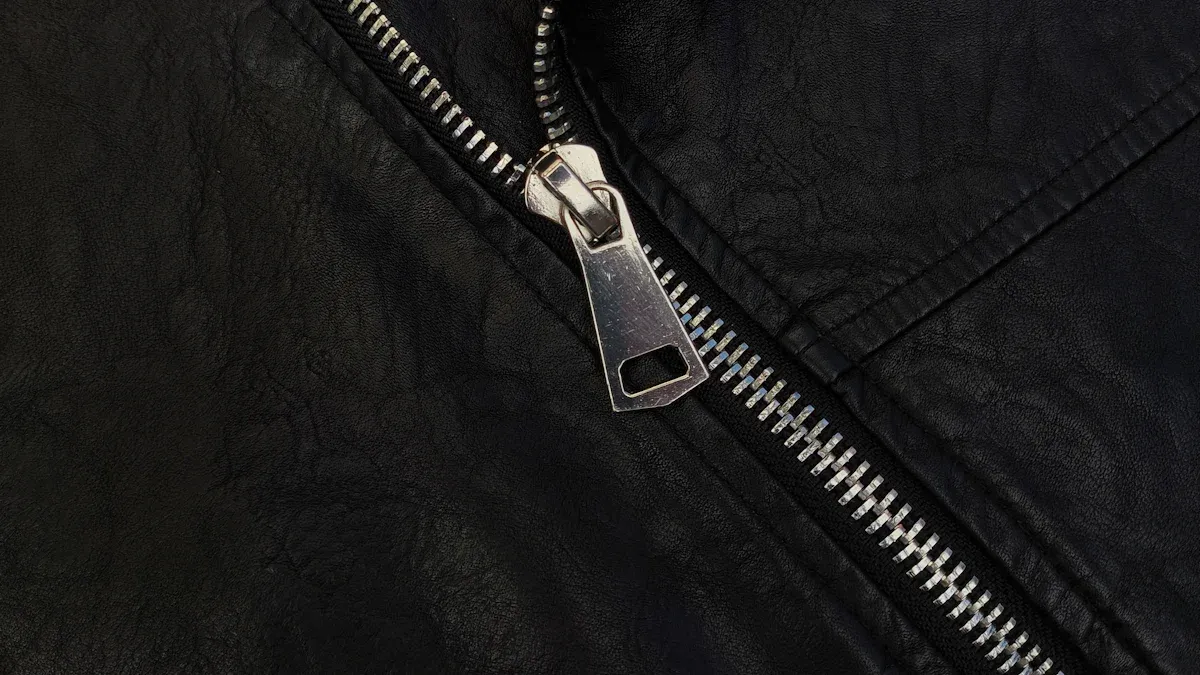
When I think about the strongest Zipper Types for Jacket Design, metal zippers always come to mind first. They offer unmatched security and a classic feel. I find their robust construction gives jackets a premium look and excellent durability. Metal zippers are tough. They can handle a lot of wear and tear. This makes them a top choice for jackets that need to last.
Brass Zippers for Superior Strength
I often recommend brass zippers when superior strength is the main goal. Brass is a metal alloy, a mix of copper and zinc. This combination makes it incredibly strong and resistant to breaking. I have seen brass zippers on many heavy-duty jackets, like those for workwear or outdoor adventures. They can withstand harsh conditions. Brass zippers also have a classic, rich look that many people appreciate. They tend to age well, developing a nice patina over time. This adds to the jacket’s character.
Aluminum Zippers: Strong Yet Lighter
For jackets where strength is important but weight is also a concern, I turn to aluminum zippers. Aluminum is a strong metal, but it is much lighter than brass. This makes it a great choice for jackets where you want security without adding extra bulk. I often see aluminum zippers on sportswear or lighter outdoor jackets. They resist rust and corrosion well, which is a big plus for jackets exposed to different weather. Aluminum zippers also offer a sleek, modern look. They provide reliable closure without feeling heavy.
Nickel Zippers: Durable and Corrosion-Resistant
Nickel zippers are another excellent metal option I consider for jacket security. Nickel is a very durable metal. It offers great resistance to corrosion and wear. This means nickel zippers will keep working smoothly for a long time, even with frequent use. I find them on a wide range of jackets, from everyday wear to more specialized protective gear. They often have a shiny, silver-like finish that looks clean and professional. Nickel zippers are a reliable choice. They provide a secure closure that stands up to the elements and daily demands.
Heavy-Duty Plastic Molded Zipper Types for Jacket Design: Robust Reliability
Sometimes, metal zippers are not the best fit for every jacket. I often look at heavy-duty plastic molded zippers as a great alternative. These zippers offer excellent strength and reliability. They are also lighter than metal zippers. This makes them perfect for many types of jackets. I find them very dependable. They work well in different weather conditions.
Delrin Zippers: High Impact Resistance
When I need a zipper that can take a beating, I choose Delrin zippers. Delrin is a special type of plastic. It is very strong and stiff. This material makes the zipper teeth incredibly resistant to impact. Imagine a jacket that gets bumped or scraped often. A Delrin zipper will hold up well. I see these zippers on outdoor gear and sports jackets. They can handle rough use without breaking. Delrin zippers also work smoothly. They resist corrosion, which is a big plus for jackets used in wet places. I trust Delrin zippers to keep things secure.
Vislon Zippers: Secure Tooth Interlocking
Vislon zippers are another excellent choice for jacket security. I really like how their teeth are designed. Each tooth is molded directly onto the zipper tape. This creates a very strong bond. The teeth also interlock very securely. This makes it hard for the zipper to come apart unexpectedly. I often recommend Vislon zippers for jackets that need a reliable closure. They are common on coats and bags where security is important. These Zipper Types for Jacket Design are also lightweight. They resist rust and corrosion. This means they will last a long time. I find Vislon zippers offer a great balance of strength and ease of use.
Enhanced Coil Zipper Types for Jacket Design: Added Security Features
I often find that enhanced coil zippers offer excellent security for jackets. These zippers are flexible. They also provide robust protection when designed with specific features. I consider them a smart choice for many jacket applications. They represent some of the most reliable Zipper Types for Jacket Design when security is a priority.
Reverse Coil Zippers for Tamper Resistance
When I look for tamper resistance, I often choose reverse coil zippers. With these zippers, the coil teeth face inward. This hides them from the outside. It makes it much harder for someone to pry the zipper open. I find this design adds a layer of security. It also gives the jacket a cleaner, smoother look. The hidden coils are less likely to snag or get damaged. This means the zipper lasts longer. I recommend them for jackets where you carry important items. They keep things safe from prying hands.
Self-Locking Sliders for Secure Closure
I always appreciate self-locking sliders for secure closures. These sliders have a small mechanism inside. It locks the slider in place when you are not pulling the tab. This means the zipper will not slide open by itself. I find this feature crucial for active jackets. Imagine running or moving a lot. The zipper stays put. It keeps your jacket closed and your belongings secure. TRAMIGO often uses these reliable sliders. They prevent accidental openings. This gives me peace of mind.
Reinforced Coil Construction for Durability
For maximum durability, I look for reinforced coil construction. This means the zipper coils are made stronger. They might use thicker thread. Or they might have a denser weave. Sometimes, the coils themselves are thicker. This extra strength makes the zipper much harder to break. It resists separation even under stress. I recommend this for heavy-duty jackets. Think about workwear or outdoor gear. These jackets need zippers that can withstand a lot of force. Reinforced coils ensure the zipper holds up over time. They provide a very secure and long-lasting closure.
Factors Influencing Zipper Security in Jacket Design
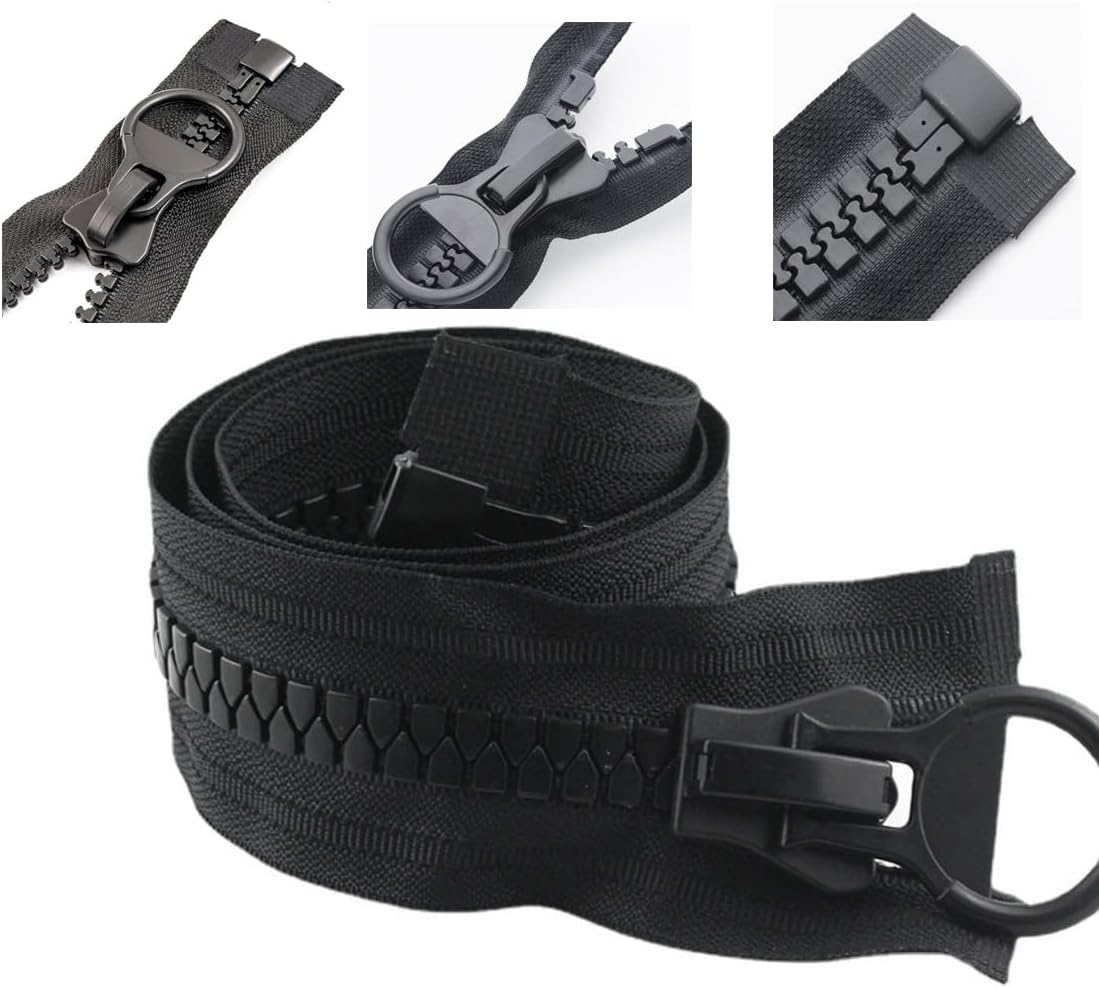
When I think about how secure a Jacket Zipper is, I consider several key things. It is not just about the zipper itself. How it fits into the jacket also plays a big role. I always look at these factors to understand the true security level.
Zipper Size and Gauge for Overall Strength
I know that bigger zippers are usually stronger. The “size” of a zipper refers to how wide its teeth are. The “gauge” is about how thick the teeth are. A larger size and a thicker gauge mean the zipper can handle more stress. For a heavy-duty jacket, like one for work or extreme weather, I always pick a larger, thicker zipper. It will not break easily. This gives the jacket much better overall strength.
Quality of Zipper Tape and Fabric Integration
The zipper tape is the fabric part of the zipper. Its quality matters a lot. I look for strong materials like polyester or nylon. These tapes resist tearing. How the zipper tape connects to the jacket fabric is also important. Strong stitching holds the zipper firmly in place. If the tape is weak or the stitching is poor, the zipper can pull away from the jacket. This makes even the strongest zipper useless. I always check for tight, even stitches. This ensures the zipper is a secure part of the jacket.
Slider Mechanism and Locking Capabilities
The slider is the part I pull to open and close the zipper. Its design greatly affects security. I look for sliders with special locking features. A self-locking system is great. It stops the zipper from moving up or down on its own. This system locks automatically when I close it. Some sliders use a high-strength aluminum alloy. This makes them very tough. They might have side fixing latches or safety bolts. These features stop people from forcing the zipper open.
I have seen advanced systems with an automatic locking mechanism. This is built right into the zipper’s profiles. It gives maximum security against intrusions. Some designs even offer 60 simultaneous anchor points. These activate automatically when I lower the closure. This makes the system very rigid. It is impossible to lift by force. For example, TRAMIGO offers models like the XT-230. It has a self-locking system that prevents elevation. The XT-250 has 80 different locking points. These are over 2.5 meters high. These features make the jacket much more secure.
Professional Installation and Stitching Quality
I often stress that even the most secure zipper is only as good as its installation. Professional installation means the zipper is sewn into the jacket with great care. It uses the right techniques and materials. I always look for strong, even stitching. The threads should be tight. They should not be loose or crooked. This kind of stitching holds the zipper firmly to the jacket fabric.
Reinforced stitching adds even more strength. This means extra rows of thread. It makes the zipper attachment much stronger. It prevents the zipper from tearing away from the jacket. Poor stitching can cause big problems. The zipper might pull away from the fabric. This makes the jacket less secure. It can also ruin the jacket’s appearance. A poorly installed zipper can fail quickly. This compromises the jacket’s security.
A well-installed zipper works smoothly. It lasts a long time. It keeps your jacket closed. It protects your belongings. I always check the stitching on new jackets. It tells me a lot about the jacket’s overall quality. When I am looking for wholesale jacket zippers, I also consider the manufacturer’s installation guidelines. TRAMIGO, for example, often provides clear instructions. These instructions help ensure their zippers are sewn in correctly. This guarantees maximum security and durability. So, remember, a stronG Zipper needs strong stitching. It is a critical step for jacket security.
Comparing Secure Zipper Types for Jacket Design: Pros and Cons
I often weigh the pros and cons of different secure zipper types. Each one offers unique benefits. They also come with certain trade-offs. I consider these factors carefully when choosing the best zipper for a jacket.
Weight and Flexibility Considerations
I find metal zippers, like brass or aluminum, offer great strength. However, they can be heavier. This might not be ideal for lightweight jackets. Aluminum is lighter than brass. It still adds more weight than plastic options. Plastic molded zippers, such as Delrin or Vislon, are much lighter. They also offer good flexibility. This makes them comfortable for active wear. Coil zippers are the most flexible. They can bend and move easily with the fabric. This makes them great for jackets needing a soft feel. I always balance strength with how the jacket will feel and move.
Cost Implications for High-Security Options
I know that higher security often means higher cost. Metal zippers, especially brass, are usually the most expensive. Their manufacturing process is more complex. The materials also cost more. Aluminum zippers are a bit less costly than brass. They still cost more than plastic. Heavy-duty plastic molded zippers offer a good balance. They provide strong security at a moderate price. Reinforced coil zippers are often the most budget-friendly secure option. They still offer good protection. I always consider the jacket’s overall budget. I also think about the level of security needed. TRAMIGO offers various options. They fit different price points.
Environmental Resistance and Longevity
I always think about how zippers will hold up in different environments. Metal zippers, especially brass and nickel, resist corrosion well. They can last a very long time. Aluminum also resists rust. However, extreme cold can make some metals brittle. Plastic molded zippers excel in environmental resistance. They do not rust. They handle moisture very well. They also perform consistently across a wide range of temperatures. Reinforced coil zippers are also quite durable. They resist environmental damage. Their longevity depends on the quality of the coil and tape materials. I always choose a zipper that matches the jacket’s intended use. This ensures it lasts a long time.
Optimal Zipper Types for Jacket Design in Specific Applications
Outdoor and Adventure Jackets
For outdoor and adventure jackets, I always prioritize zippers that can handle tough conditions. I look for water-resistant zippers. These zippers have a special coating. It repels water. This keeps the jacket’s contents dry in wet weather. Coil zippers are also a great choice. They are durable. Many sportswear and outdoor gear items use them. They work reliably even in demanding situations. I often see YKK® AquaGuard® zippers on these jackets. They are excellent for splash and rainproof pockets. They help make the jacket fully waterproof. I find them especially useful for chest pockets and ventilation areas. These are critical spots exposed to weather. They ensure maximum protection from the elements.
Motorcycle and Protective Gear Jackets
When I choose zippers for motorcycle and protective gear jackets, security and extreme durability are my main concerns. These jackets need to withstand high impact and abrasion. I often recommend heavy-duty metal zippers. Brass zippers offer superior strength. Aluminum zippers are strong but lighter. Nickel zippers are durable and resist corrosion. Heavy-duty plastic molded zippers also work well. Delrin zippers have high impact resistance. Vislon zippers have secure tooth interlocking. These options ensure the jacket stays closed and protects the wearer during rides or in case of an accident. I know these zippers can handle the stress of riding and potential falls, providing crucial safety.
Workwear and Industrial Jackets
For workwear and industrial jackets, I need zippers that can endure constant heavy use and harsh environments. I look for very durable options. Durable Resin Zippers are a good choice. They use premium materials. This makes them versatile for tough clothing. Versatile Eco-Friendly Nylon Zippers also offer high quality and durability. They come in many styles. They can even be customized. Durable Metal Zippers are another excellent option. They come in various sizes, like #5 or #8. They use special techniques like electroplating for extra toughness. They also have features like auto-lock. These features ensure the zipper stays secure. These Zipper Types for Jacket Design are built to last in demanding work settings. They provide reliable closure day after day.
Everyday and Fashion Jackets
When I choose zippers for everyday and fashion jackets, I think about more than just security. I also consider how the zipper looks and feels. It is important to balance strength with style and comfort. I want the jacket to be secure, but also fashionable and easy to wear.
For lightweight clothes, I often pick coil (nylon) zippers. I find these zippers are very flexible and durable. They work well around curves. They also operate smoothly. Their soft structure makes them a popular choice for jackets that need comfort and adaptability.
Sometimes, I want a more structured look. Then, I might choose metal zippers. These come in brass, aluminum, or nickel. They are strong and durable. They give an industrial look, which is great for heavy fabrics like denim or leather. While sturdy, I know they can be heavier. They might not be as gentle on delicate materials.
I also use plastic molded zippers (Vislon). These have individual plastic teeth. I see them often in outerwear and sportswear. They are lightweight and can resist water. They glide smoothly. However, I know they might not handle very high tension as well as metal zippers. I find them best for moderate use.
When I select zippers, I think about the jacket’s overall design.
- For jackets and coats, I recommend separating plastic or metal zippers. They let the jacket open completely. This balances durability with a good look.
- For strength, metal or molded plastic zippers are good for heavy items. For lighter clothes, nylon coil zippers provide softness and flexibility. They add comfort without losing structure.
- Aesthetics are also key. Invisible zippers give a clean, seamless finish. Metal or exposed decorative zippers can add an edgy design. This lets me choose if the zipper blends in or stands out.
- Separating zippers are ideal for jackets. They allow full removal. This makes the jacket more useful and better to wear.
- I also think about special needs. For raincoats, I look for waterproof zippers. For cold weather, I might need glove-friendly zippers. These features add security and comfort in specific conditions.
I always consider the zipper’s function, appearance, and how it works with the fabric. The right length and gauge are important for fit and strength. This helps with both security and comfort.
I have learned that metal, heavy-duty plastic molded, and reinforced coil zippers consistently offer the best security for jackets. When I choose a zipper, I always match it to the jacket’s intended use. This helps me balance strong protection with other practical needs. I firmly believe prioritizing quality in every zipper component and its installation is crucial. This guarantees maximum jacket security.
FAQ
Which zipper type is the most secure for my jacket?
I find metal zippers, especially brass, offer the best security. They are very strong. Heavy-duty plastic molded zippers, like Delrin, are also excellent. Reinforced coil zippers with self-locking sliders provide great protection too. I always pick the one that fits the jacket’s use.
Does zipper installation affect security?
Yes, it definitely does. I always stress that professional installation is key. Strong, even stitching holds the zipper firmly to the jacket. Poor stitching can make even the best zipper fail. It compromises the jacket’s security.
How can I make my jacket zipper last longer and stay secure?
I recommend keeping your zipper clean. You can use a small brush to remove dirt. Lubricate it occasionally with a zipper lubricant. This helps it move smoothly. Avoid forcing a stuck zipper. This prevents damage. TRAMIGO zippers are built for durability.
Are waterproof zippers also secure?
Yes, I find many waterproof zippers are very secure. They often have special coatings or designs. These features keep water out. They also add to the zipper’s overall strength. This makes them great for outdoor jackets. They protect both from water and unwanted access.