When I consider the best hook and loop fastener for clothing, especially for demanding applications, specific qualities stand out. I always look for superior shear strength and peel strength. These fasteners must also resist abrasion well, maintaining their integrity over time. Environmental factors like moisture, UV rays, and extreme temperatures should not affect their performance. For tough clothing needs, industrial-grade nylon, polyester, or specialized blends are often the best hook and loop fastener for clothing. In 2025, the best hook and loop fastener for clothing in TRAMIG will consistently offer these high-performance traits, often found in robust hook and loop fastener strips.
Key Takeaways
- Choose fasteners with strong shear and peel strength for a secure hold.
- Select fasteners that resist water, UV light, and extreme temperatures.
- Look for durable materials like industrial-grade nylon or polyester for long-lasting use.
- Properly sew fasteners onto clothing and clean them often to make them last.
- Match the fastener type to the clothing’s use, like tactical gear or outdoor wear.
Understanding Heavy-Duty Hook and Loop Fastener Requirements
Defining “Heavy-Duty” for Clothing Fasteners
When I talk about “heavy-duty” for clothing fasteners, I mean something truly tough and reliable. It is not just for everyday shirts or light jackets. I think about clothing that works hard and faces harsh conditions. This includes uniforms for construction workers, protective gear for first responders, or rugged outdoor clothing for adventurers. These items need fasteners that can handle a lot of stress and repeated use. They must stay closed securely even when pulled, bumped, or subjected to constant movement. A heavy-duty fastener means it will not fail you when you need it most, providing a consistent and strong hold in demanding situations. It is about unwavering performance.
Key Performance Metrics: Shear Strength, Peel Strength, and Cycle Life
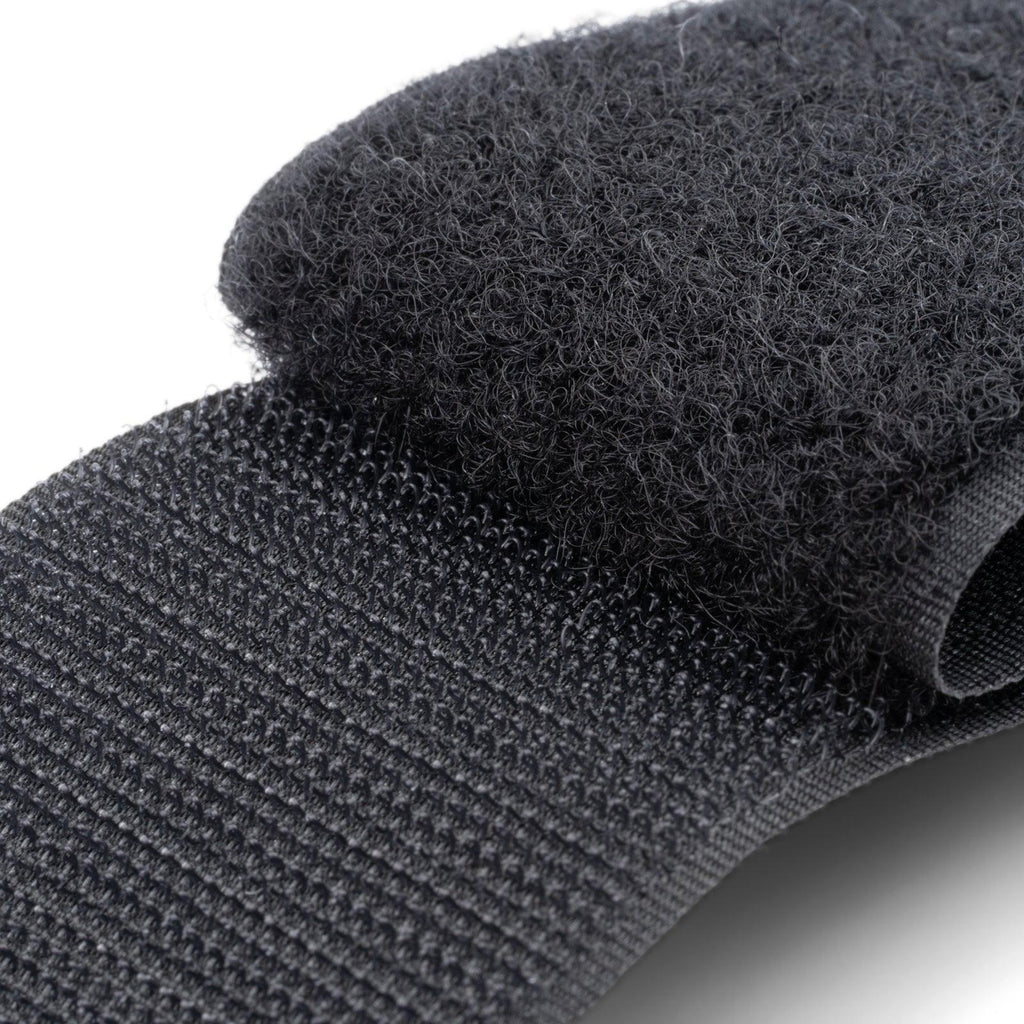
I always look at three main things when choosing a strong fastener for clothing. First, shear strength tells me how well the fastener holds when forces try to slide it apart. Imagine two pieces of fabric trying to move sideways against each other. A good heavy-duty fastener strongly resists this sliding motion. Second, peel strength shows how much force it takes to pull the fastener open from one end, like peeling a sticker. I want it to be difficult to peel apart unless I intentionally open it. This prevents accidental openings. Third, cycle life is about how many times I can open and close the fastener before it starts to lose its grip and effectiveness. For heavy-duty use, I need a very high cycle life. This ensures the hook and loop fastener for clothing remains functional and reliable over many uses, extending the life of the garment itself.
Environmental Resistance for Hook and Loop Fastener for Clothing
Clothing often faces tough environmental conditions, so I need fasteners that can handle them without weakening. This means they must resist moisture effectively. Rain, snow, or even heavy sweat should not make them lose their strength or become less sticky. They also need to stand up to UV light from the sun. Strong, prolonged sunlight can break down materials over time, making fasteners brittle or less effective. Extreme temperatures, both very hot and very cold, should not affect their performance either. I want my fasteners to work just as well in a scorching desert as they do in a freezing snowy mountain. This strong environmental resistance keeps the clothing functional and safe in any weather or climate.
Abrasion Resistance and Material Integrity
I always consider how much wear and tear a fastener will face. For heavy-duty clothing, abrasion resistance is super important. This means the fastener must stand up to rubbing and scraping without falling apart. Think about a work jacket or tactical gear. These items constantly rub against other surfaces, like tools, walls, or even other parts of the clothing. If the hook and loop fastener for clothing cannot handle this friction, it will quickly wear down. The loops might fray, and the hooks could break off. This makes the fastener useless.
I look for materials that are tough and durable. The integrity of the material is key. High-quality nylon or polyester, for example, has strong fibers. These fibers resist breaking and tearing even after repeated rubbing. When I choose a fastener, I want to know it will keep its shape and strength. It should not get thin or weak over time. A fastener with good material integrity will maintain its grip. It will keep holding strong, even after many uses and harsh conditions.
Tip: Always check the material specifications. Look for fasteners made from high-denier fibers or those specifically designed for high-abrasion environments. This ensures your industrial hook and loop fastener supplier provides the best quality.
I also think about how the fastener is made. A tightly woven loop side and robust, well-formed hooks contribute to better abrasion resistance. If the loops are loose, they will fray faster. If the hooks are brittle, they will snap. I need a fastener that feels solid and well-constructed. This attention to detail in manufacturing directly impacts how long the fastener will last. It ensures the clothing remains functional and secure for a long time, no matter how much it gets used or abused.
Top Hook and Loop Fastener Types for Heavy-Duty Clothing in 2025
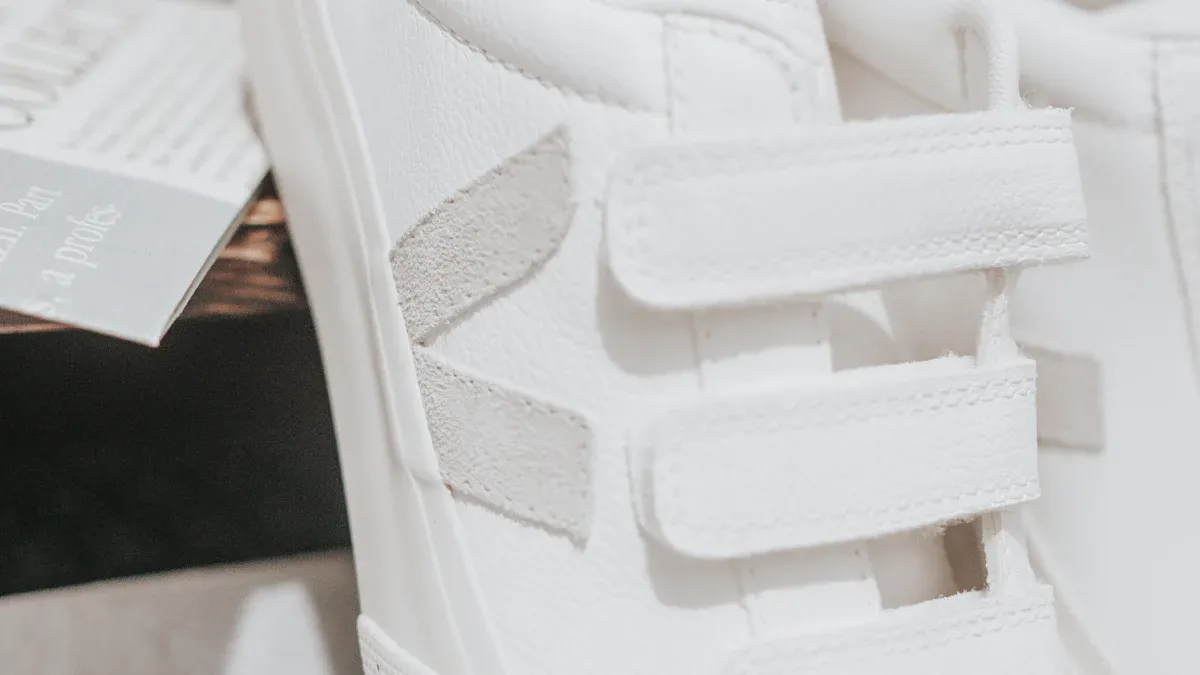
When I look for the best hook and loop fasteners for tough clothing, I consider specific types. Each type offers unique benefits. The right choice depends on the job the clothing needs to do. Here, I will explain the top options I see for 2025.
Industrial-Grade Nylon Hook and Loop Fastener for Clothing
I often turn to industrial-grade nylon when I need a very strong fastener. This material is a top choice for heavy-duty clothing. It offers excellent strength. I know industrial-grade hook and loop fasteners are often made from polyamide 6.6 (PA6.6), which is also known as nylon. This material gives the fastener its toughness.
I see different compositions for these fasteners. Sometimes, they are 100% nylon. Other times, I find them as a blend, like 30% nylon and 70% polyester. I also encounter 100% Nylon/PP options. These variations allow for slightly different properties. Nylon is great for high shear strength. This means it resists forces trying to slide the two sides apart. It also has good cycle life. I can open and close it many times before it wears out. This makes it perfect for work uniforms, military gear, and tactical clothing. These items need a fastener that will not fail under constant stress.
Heavy-Duty Polyester Hook and Loop Fastener for Clothing
For clothing that faces the outdoors, I often choose heavy-duty polyester. Polyester fasteners have their own set of advantages. They are very good at resisting moisture. This makes them ideal for rain gear or clothing used in wet conditions. They also stand up well to UV light from the sun. Nylon can break down faster in direct sunlight. Polyester keeps its strength and color better outdoors.
I find polyester fasteners are also resistant to many chemicals. This is important for some industrial workwear. They offer good strength, similar to nylon. However, their superior environmental resistance makes them a go-to for outdoor adventure gear, marine clothing, and even some medical applications. I know they will perform reliably even when exposed to harsh elements.
Specialized Blends and Composites for Extreme Conditions
Sometimes, standard nylon or polyester is not enough. For truly extreme conditions, I look at specialized blends and composites. These fasteners combine different materials. They create a product with very specific, enhanced properties. For example, some blends offer extreme temperature resistance. They work well in very hot or very cold places.
I also see blends that are flame retardant. These are crucial for fire safety gear. Other composites might offer enhanced chemical resistance. They protect against corrosive substances. Some even have anti-static properties. This is important in environments where static electricity is a risk. These specialized materials are often found in aerospace applications, hazardous material suits, or highly technical outdoor equipment. They provide a custom solution for the toughest challenges. I rely on these advanced materials when the performance demands are beyond what standard fasteners can offer.
Molded Hook Technology for Enhanced Grip and Durability
I often look for fasteners that offer something extra. Molded hook technology is one such innovation. Instead of woven hooks, these fasteners have hooks that are molded directly from plastic. This process creates hooks that are very uniform and strong. I find they offer a much more consistent grip. They also resist damage better than traditional woven hooks.
I see several benefits with molded hooks. First, they provide superior shear strength. This means they hold incredibly well against forces trying to slide them apart. Second, they are very durable. The hooks are less likely to break or fray. This extends the life of the fastener. Third, they often perform better in harsh environments. They resist moisture and dirt buildup more effectively. This makes them a great choice for outdoor gear or industrial workwear. I also notice they can be quieter to open and close. This is a small but sometimes important detail. When I need a fastener that will not quit, I consider molded hook technology. It offers a reliable and long-lasting hold.
I often recommend molded hook fasteners for applications where extreme durability and consistent performance are critical. They are a smart investment for any heavy-duty hook and loop fastener manufacturer looking for top-tier solutions.
VELCRO® Brand Industrial Strength Fasteners for High Performance
When I think about top-tier fasteners, VELCRO® Brand Industrial Strength fasteners always come to mind. They are a benchmark for high performance. I know the VELCRO® Brand has a long history of making reliable products. Their industrial strength line takes this to the next level. These fasteners are specifically engineered for demanding applications.
I find these fasteners offer exceptional holding power. They use stronger hooks and denser loops. This combination creates a very secure bond. They also have excellent cycle life. I can open and close them many, many times without losing their grip. This is crucial for items that see frequent use. I often choose them for heavy-duty work belts, equipment straps, and protective covers. They stand up to significant stress and strain. I trust them to perform consistently. They are a go-to choice when I need maximum reliability and strength. I know many hook and loop fastener suppliers offer VELCRO® Brand products because of their proven quality.
Factors to Consider When Choosing Your Hook and Loop Fastener for Clothing

Application-Specific Demands: Tactical, Workwear, Outdoor Gear
I always think about what the clothing will do. Different types of clothing have very different needs for fasteners. For tactical gear, I need extreme strength and quiet operation. Fasteners must hold securely during intense movement. For workwear, durability is key. I look for fasteners that can withstand daily wear and tear. For example, many workwear items feature an adjustable cuff with velcro closure. I also see internal pockets with velcro for secure storage. These details show the importance of a strong hook and loop fastener for clothing in work environments. Outdoor gear needs fasteners that resist water and UV light. They must perform well in all weather conditions. Each application has its own set of challenges. I choose a fastener that meets those specific demands.
Compatibility with Garment Fabrics and Materials
I know the fastener must work well with the fabric of the clothing. A heavy-duty fastener on a light fabric might damage it. A weak fastener on a strong fabric will not hold. I consider the fabric’s weight and texture. For thick, rugged materials like canvas or denim, I choose a robust fastener. For lighter, more delicate fabrics, I select a fastener that will not cause snags or tears. The material of the fastener itself also matters. Some fasteners work better with synthetic fabrics. Others are more suitable for natural fibers. I always make sure the fastener and the garment material are a good match. This ensures both durability and proper function.
Attachment Methods: Sew-On, Adhesive, or Weldable Options
I also think about how I will attach the fastener to the clothing. There are three main ways. Sew-on fasteners are very common. I sew them directly onto the fabric. This method offers the strongest and most permanent hold. It is ideal for heavy-duty applications. Adhesive-backed fasteners have glue on one side. I just peel and stick them. These are good for quick fixes or temporary uses. However, the adhesive might not last as long as sewing, especially with washing. Weldable fasteners use heat to bond to certain fabrics. I use them for specialized materials, often in industrial settings. This creates a very strong, seamless bond. I choose the attachment method based on the garment’s material and how much strength I need.
Balancing Cost, Performance, and Longevity for Hook and Loop Fastener for Clothing
I always consider the balance between cost, how well a fastener performs, and how long it will last. It is tempting to choose the cheapest option. However, I have learned that this often leads to problems. A low-cost fastener might not have the necessary strength. It could wear out quickly. This means I would need to replace it sooner. Frequent replacements add up. They also take time and effort. I find that investing a little more upfront for a high-quality hook and loop fastener for clothing is a smart decision. A better fastener offers superior performance. It maintains its grip longer. This extends the life of the garment itself. It also reduces the hassle of repairs. Ultimately, a durable fastener saves money and ensures reliability over time. I always aim for the best value, not just the lowest price. This approach guarantees the clothing remains functional and dependable for its entire lifespan.
Fastener Load-Bearing Capacity and Strength
I also pay very close attention to a fastener’s load-bearing capacity. This tells me how much weight or force it can handle without failing. For heavy-duty clothing, this is a critical factor. Think about tactical vests or work belts. These items often carry heavy equipment or tools. The fasteners on them must support that weight securely. If the fastener lacks sufficient strength, it could give way. This might cause equipment to fall. It could even create a safety hazard. I always check the shear strength and peel strength ratings. These numbers show me how much force the fastener can resist. A high shear strength means it will not slide apart under pressure. Good peel strength prevents accidental opening. I need a fastener that can easily manage the maximum load I expect it to carry. This ensures everything stays in place. It gives me peace of mind that the clothing will perform its job reliably, even under stress.
Installation and Maintenance for Optimal Hook and Loop Fastener Performance
Best Practices for Sewing Heavy-Duty Fasteners
I know proper installation is key for any heavy-duty hook and loop fastener. When I sew these fasteners, I always use strong, durable thread. Polyester or nylon thread works best. I choose a thread color that matches the fastener or the garment. I also use a sewing machine needle designed for heavy fabrics. This prevents skipped stitches and broken needles. I sew around the entire perimeter of the fastener. I add extra stitching in an “X” pattern across the middle. This provides maximum strength. It prevents the fastener from pulling away from the fabric. I make sure my stitches are close together. This secures the fastener firmly. It also prevents fraying. Proper sewing ensures the fastener lasts as long as the garment.
Cleaning and Care to Maximize Fastener Lifespan
I always clean my hook and loop fasteners regularly. This keeps them working their best.
- I first remove any large debris by hand or with tweezers. This includes lint, hair, or dirt.
- Then, I use a stiff brush, a comb, or even another piece of hook to dislodge embedded grime.
- For stubborn dirt, I soak the fastener in warm, soapy water for a few minutes. I use a mild detergent.
- While it is submerged, I gently scrub the fastener. This loosens any remaining debris.
- I rinse it thoroughly with clean water. This removes all soap residue.
- Finally, I let the fastener air dry completely. I do this before I reattach or store it.
I also follow these tips:
- Regular cleaning prevents buildup. It helps maintain optimal performance.
- I avoid harsh chemicals or abrasive tools. These can damage the hooks and loops.
- When I am not using the fastener, I keep the hook and loop sides closed. This prevents debris from accumulating.
This careful cleaning routine helps extend the life of my industrial hook and loop fastener.
Troubleshooting Common Fastener Issues
Sometimes, even the best fasteners can have small issues. If my hook and loop fastener starts to lose its grip, I first check for debris. Often, lint or hair gets stuck in the hooks or loops. Cleaning it usually fixes the problem. If the loops look matted, I can gently brush them with a stiff brush. This helps fluff them up. If the hooks seem bent or broken, the fastener might be at the end of its life. This happens after many cycles of use. In that case, I consider replacing the fastener. I always make sure to use the correct type of fastener for the job. This prevents many common problems.
Ensuring Fastener Durability Through Proper Handling
I know proper handling makes a big difference for fastener lifespan. I always teach people to open hook and loop fasteners correctly. Do not just yank them apart. Instead, I peel them open slowly from one corner. This reduces stress on the hooks and loops. It prevents them from tearing or bending. A gentle peeling motion helps maintain the integrity of the fastener. It keeps the grip strong for a longer time.
I also make sure to keep the hook and loop sides engaged when I am not using the garment. This protects the fastener. It stops lint, dirt, and other debris from getting stuck in the hooks. When debris builds up, the fastener loses its grip. It also makes the fastener harder to clean. Keeping them closed prevents this problem. It keeps the fastener ready for action.
I avoid exposing fasteners to harsh chemicals. Strong cleaning agents can weaken the material. They can make the hooks brittle or the loops fray. I also keep them away from extreme heat. High temperatures can melt or deform the plastic hooks. This permanently damages the fastener. Always follow the garment’s washing instructions. These instructions usually protect the fasteners too.
I also advise against over-stuffing pockets or bags that use hook and loop closures. Too much pressure can force the fastener open. It can also stretch the material. This weakens the hold over time. I use the fastener within its intended load capacity. This ensures it performs reliably. It also extends its life. Proper handling is a simple step. It greatly improves the durability of any industrial hook and loop fastener.
I believe selecting the best heavy-duty hook and loop fastener for your clothing in 2025 depends on understanding your needs. You must consider the specific demands of your application. Look at the performance characteristics of different fastener types. Proper installation is also very important. I prioritize industrial-grade nylon, polyester, or specialized blends. These materials offer great shear strength, environmental resistance, and a long cycle life, often more than 10,000 times. This ensures optimal performance and longevity for your heavy-duty garments. Many options are also sustainable, like those made from 70% Polyester + 30% Nylon, offering an ecologically responsible hook and loop fastener for clothing.
FAQ
What is the main difference between nylon and polyester hook and loop?
I find nylon offers great strength and cycle life. Polyester resists water and UV light better. I choose nylon for indoor or less exposed items. I pick polyester for outdoor gear or wet conditions.
How do I know if a fastener is “heavy-duty”?
I look for high shear strength. This means it resists sliding apart. I also check for good peel strength. This prevents easy opening. A high cycle life, meaning many uses, also tells me it is heavy-duty.
Can I wash clothing with hook and loop fasteners?
Yes, I wash them. I always close the fastener before washing. This stops lint from sticking. It also protects the hooks. I air dry them to keep them strong.
Why do some fasteners have molded hooks?
I like molded hooks because they are very strong. They offer a consistent grip. They also last longer. They resist damage better than woven hooks. I choose them for extreme durability.
What does “cycle life” mean for a fastener?
I understand cycle life as how many times I can open and close the fastener. It still works well. For heavy-duty use, I need a very high cycle life. This means it will last a long time.